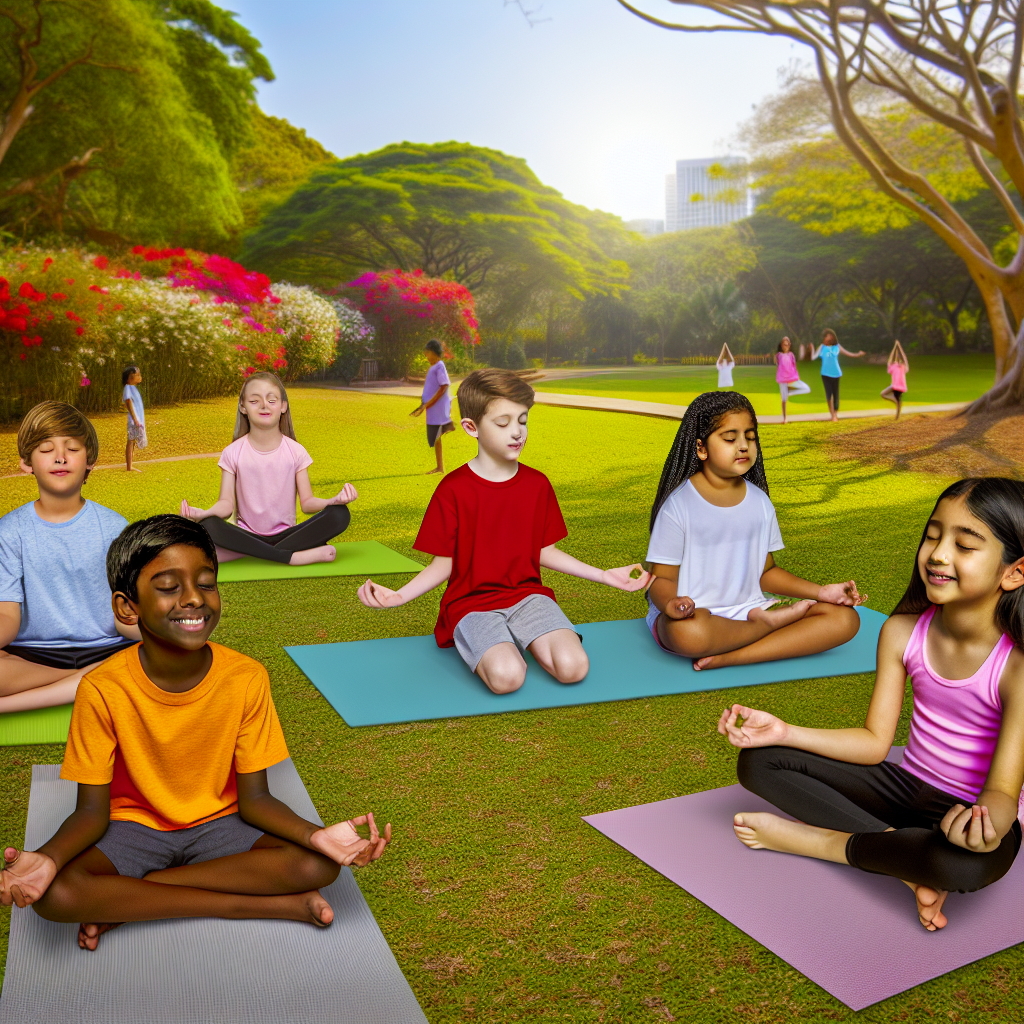
Mindfulness and Physical Education: A Powerful New Approach
In recent years, the integration of mindfulness into school-based physical education has been gaining momentum, reshaping how educators approach student wellness. Known as mindfulness-based physical education training (MBPE), this innovative method blends movement with mental focus to support emotional stability, self-awareness, and academic performance.
But how effective is this approach? A growing body of research indicates that mindfulness-based PE programs significantly enhance student well-being across mental, emotional, and physical dimensions. Here’s what the evidence reveals.
What Is Mindfulness-Based Physical Education?
Mindfulness-based PE instruction merges physical activities—such as yoga, tai chi, mindful walking, and even traditional sports—with mindfulness practices, including focused breathing, body scanning, and self-reflection.
Rather than solely teaching fitness techniques or sports skills, MBPE encourages students to become aware of their thoughts, feelings, and bodily sensations during movement. For instance, while holding a yoga pose, students may be guided to recognize areas of tension and practice calming their breath.
“Mindfulness in physical education allows students to reconnect with their bodies and emotions in a healthy, constructive way,” explains Dr. Karen Caldwell, a health psychologist at Appalachian State University.
By nurturing physical awareness, mental clarity, and emotional balance, MBPE aims to support student well-being both inside and outside the classroom.
Improving Mental Health and Reducing Adolescent Stress
Adolescence is often marked by heightened stress, academic pressure, and emotional challenges. Encouragingly, research shows that mindfulness-based PE can significantly alleviate these struggles among teenagers.
In a 2017 study published in the journal Mindfulness, students who completed an eight-week mindfulness-based PE program reported a 32 percent decrease in self-reported stress levels compared to those in traditional PE classes (Waters et al., 2017).
These benefits stem from mindfulness practices that foster body awareness and non-judgmental reflection—helping students reinterpret and manage overwhelming emotions. Another study in a U.S. high school found that 70 percent of participants felt more capable of controlling their emotions after participating in the mindfulness program.
As schools look for proactive mental health solutions beyond counseling or medication, MBPE offers a meaningful pathway to supporting student emotional resilience.
Boosting Attention and Academic Performance
While physical activity alone has long been linked to improved focus, the combination of movement and mindfulness enhances cognitive function even further.
A 2020 meta-analysis published in the Psychology of Sport and Exercise reviewed over 25 studies and found that students participating in mindfulness-based movement programs demonstrated a 15 percent increase in working memory and attention spans across a 12-week period.
These students reported greater focus in class, better task-switching abilities, and improved time management skills. The underlying reason is believed to be improved emotional regulation and decreased mental distractions.
“Integrating mindfulness into PE builds the muscle of attention,” notes Dr. Amy Saltzman, author of A Still Quiet Place. “It helps students pause, reset, and return to tasks with improved clarity.”
Encouraging Enjoyment and Engagement in Physical Activity
A common barrier in traditional PE is student disengagement, particularly among those who feel self-conscious or lack athletic confidence. Mindfulness-based PE prioritizes internal awareness and self-growth, helping students engage based on how they feel instead of how they perform.
A University of British Columbia study found that after participating in mindful movement activities, 78 percent of adolescents reported a greater enjoyment of physical activity. Additionally, 63 percent expressed interest in continuing the practices outside of school.
When students begin to view movement as a form of self-care rather than a competition, they’re more likely to carry the habit into their everyday lives. For example, a student who avoids running laps might discover peace and purpose in a 10-minute walking meditation.
MBPE helps promote a lifelong, positive relationship with both physical activity and mental well-being.
Supporting Measurable Physical Health Improvements
While mindfulness-based PE is often praised for its emotional and cognitive benefits, its physical health impacts are also noteworthy, especially after sustained participation of six weeks or more.
A comprehensive review published in the Journal of School Health reported that students in these programs experienced:
– A 12 percent reduction in resting heart rate
– A 20 percent improvement in sleep quality
– An 18 percent decrease in morning cortisol levels (a key indicator of stress)
Low-impact yet powerful exercises such as tai chi and yoga help improve flexibility, balance, and endurance—while lowering the risk of injury. These physical benefits are often attributed to the heightened body awareness and mindfulness developed through the training.
Challenges to Implementation
Despite its many advantages, integrating mindfulness-based practices into PE curricula does come with obstacles. Educators often require training in mindfulness-based methodologies and may need ongoing support to implement changes effectively.
A 2022 national survey revealed that only 22 percent of PE teachers felt confident in teaching mindfulness content without additional training. Additional hurdles include budget limitations, resistance to curriculum changes, and insufficient administrative support.
However, many educators report transformative results once mindfulness is introduced. “Students become calmer, more focused, and more respectful of themselves and others,” shares Coach Renee Lopez, a physical education teacher who pioneered mindfulness practices in her school.
A Holistic Vision for Education and Wellness
Mindfulness-Based Physical Education is more than a fitness program—it is a comprehensive approach to nurturing mind, body, and emotional intelligence. These classes don’t just condition students physically—they teach them how to manage emotions, refocus attention, and develop self-respect.
As schools reevaluate their health and wellness strategies, particularly in a post-pandemic world, MBPE offers an evidence-based, forward-thinking solution. Backed by education, psychology, and exercise science, mindfulness-based PE represents a transformative evolution in how we support students’ growth.
References
– Waters, L., Barsky, A., Ridd, A., & Allen, K. (2017). Contemplative Education: A Research-Based Framework for Understanding Mindfulness in Physical Education. Mindfulness, 8(4), 969–980.
– Pesce, C., Masci, I., Marchetti, R., & Vannozzi, G. (2020). The Cognitive Benefits of Movement: A Review of Mindfulness-Infused Physical Education. Psychology of Sport and Exercise, 47, 101612.
– University of British Columbia. (2018). Mindfulness-Based Movement in School Settings: Enhancing Enjoyment of Physical Activity Among Adolescents.
– Journal of School Health. (2021). Mindful Exercise Interventions and Changes in Biometric Health Indicators among Youth.