
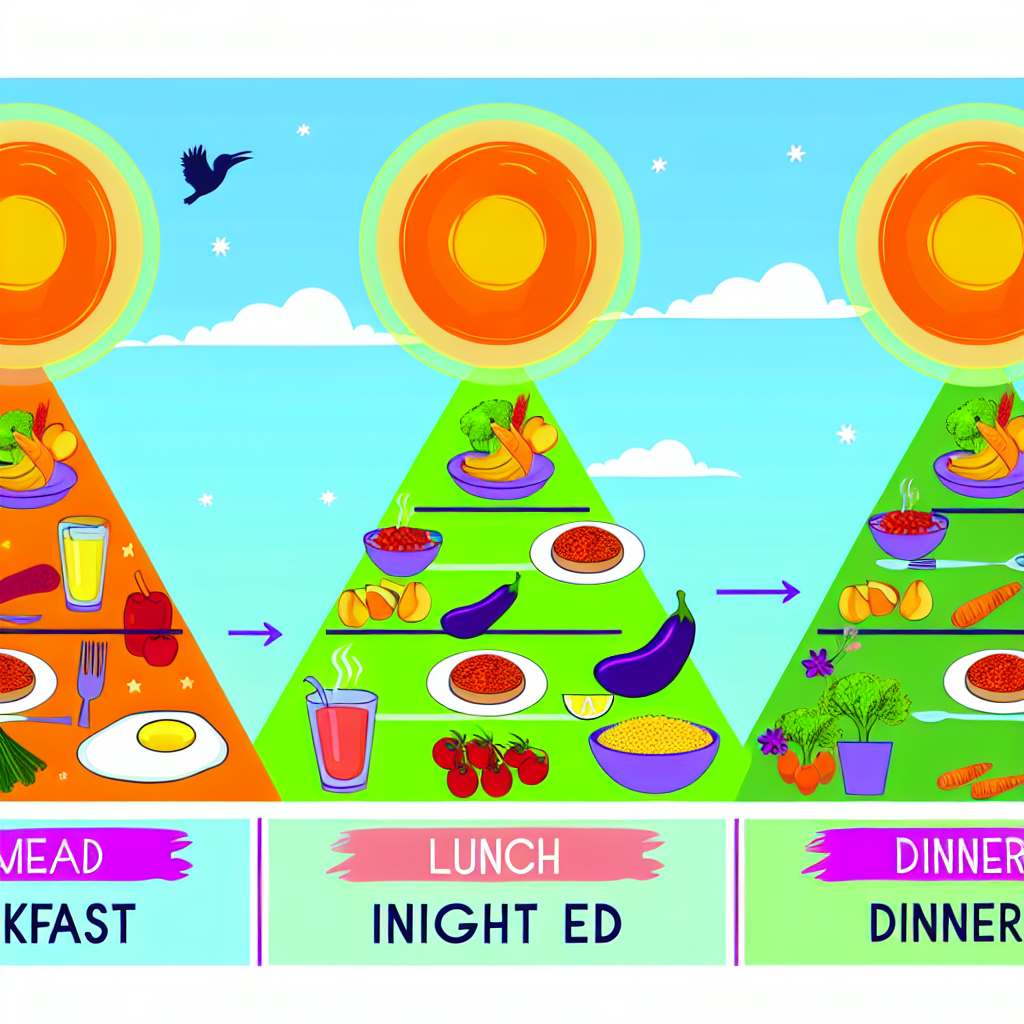
The Hidden Link Between Meal Timing and Sexual Health
Did you know that the timing of your meals might be quietly undermining your sexual well-being? While traditional discussions around erectile dysfunction (ED) focus heavily on hormones, age, or stress, emerging research reveals that your eating habits—specifically when and what you eat—can trigger inflammation that affects nighttime blood flow. This can contribute to a surprising and under-discussed issue: nighttime erectile dysfunction.
In this guide, we explore how your current eating patterns may be triggering what experts call the “three-meal inflammation spike.” You’ll discover the science behind this phenomenon and learn how simple changes to when you eat can improve blood flow, support hormonal function, and enhance your nightly performance.
According to research published in the journal Nutrients (2022), post-meal inflammation can significantly impact vascular function, particularly when meals are consumed later in the day. Let’s break down what that means for your health—and how to use food timing to your advantage.
The Science Behind the Three-Meal Inflammation Spike
Every time you eat—especially meals high in processed carbohydrates or unhealthy fats—your immune system initiates an inflammatory response. This process, known as postprandial inflammation, is a normal part of digestion. However, repeated inflammatory spikes across breakfast, lunch, and dinner can take a toll over time, especially when triggered by poor food choices.
This matters because your blood vessels rely on a healthy endothelial lining to transport blood efficiently. Inflammation impairs this lining, limiting the production of nitric oxide—the compound essential for natural erections. When blood flow is reduced, especially during sleep, erectile dysfunction can arise.
A typical inflammation-inducing day might look like this:
– A high-carb breakfast leads to a surge in blood sugar.
– A processed lunch adds another inflammatory wave.
– A heavy dinner after 7 PM further restricts nighttime blood flow.
As Dr. Alex Vasquez, a functional medicine expert, explains: “Late meals can shift your inflammation curve into hours when your body should be resting and repairing, not reacting to metabolic stress.”
How Inflammation Impacts Nighttime Erections
Nighttime is when your body shifts into repair mode. This is crucial for regenerating tissues, producing testosterone, and experiencing spontaneous nocturnal erections—a normal and healthy part of male physiology. Disrupting this cycle through inflammation can interfere with both hormonal balance and vascular health.
Here’s how the chain reaction occurs:
– Late dinner triggers an inflammatory surge.
– Inflammation disrupts endothelial cell function.
– This limits nitric oxide production.
– Less nitric oxide means less blood flow—and diminished or absent nighttime erections.
A 2020 study published in European Urology found that elevated inflammatory markers were linked to a 45% higher risk of moderate to severe ED.
Chronic late eating has also been shown to lower testosterone levels while increasing the stress hormone cortisol, further reducing sexual performance and sleep quality.
How to Eat for Better Blood Flow and Sexual Function
Improving your sexual health isn’t just about what you eat—it’s also about when you eat. Strategic meal timing can reduce inflammation and enhance cardiovascular performance, especially overnight.
Follow these three steps to realign your eating schedule for optimal health benefits.
1. Front-Load Calories for Morning and Midday Energy
Your goal should be to consume more calories earlier in the day when your metabolism is most active and your hormones are naturally aligned for digestion and energy.
Morning Meal (7–9 AM): Focus on healthy fats and protein to stabilize blood sugar and jump-start your day with hormonal balance. Example: Three scrambled eggs with sautéed spinach in olive oil, half an avocado, and a cup of green tea with ginger.
Lunch (12–2 PM): Make this your largest meal, taking advantage of your metabolic peak. One example: grilled salmon with quinoa, roasted vegetables, and a turmeric vinaigrette salad.
The American Journal of Clinical Nutrition (2021) reports that eating earlier in the day enhances both insulin sensitivity and vascular function by up to 36%.
Why this works: Morning cortisol helps metabolize food, and larger day meals reduce evening hunger, allowing longer periods of post-digestive rest.
2. Choose Light, Low-Carb Dinners in the Early Evening
Timing dinner 3–4 hours before sleep allows your body to enter rest-and-repair mode unburdened by metabolic stress.
Evening Meal (5–7 PM): Choose meals that are light, low in carbs, and rich in anti-inflammatory nutrients. A good example is grilled shrimp with zucchini noodles, cooked in olive oil, and a side of steamed broccoli.
Key takeaway: A lighter evening meal supports parasympathetic nervous system activity (rest mode), allowing the body to maintain healthy nighttime blood flow and hormonal activity during key sleep cycles.
3. Avoid Late-Night Snacks and Alcohol
Late-night snacking—even seemingly healthy options—can spike insulin and sustain inflammation throughout the night.
Examples to avoid: Almonds, protein bars, or even a small glass of wine can disrupt insulin rhythms and impair nitric oxide production.
Substitute with caffeine-free herbal teas such as ginger or chamomile, which support digestive calm and sleep quality. If you’re hungry late at night, it may indicate that you didn’t eat enough earlier in the day.
Bonus: Build Meals with Proven Anti-Inflammatory Foods
Certain foods not only reduce inflammation but also boost nitric oxide levels naturally—supporting blood vessel health and erectile function.
Top Anti-Inflammatory Foods:
– Turmeric: Contains curcumin, known to reduce inflammation and promote nitric oxide production.
– Omega-3s: Found in fatty fish like salmon, flax seeds, and walnuts, these support cardiovascular and hormonal health.
– Green Tea: Rich in EGCG, an antioxidant that aids in arterial flexibility and blood pressure control.
– Garlic: Stimulates nitric oxide pathways for improved blood flow.
– Ginger: Promotes digestion and contains antioxidant compounds that combat inflammation.
Pro Tip: Take vitamin D3 and omega-3 supplements with lunch rather than at night to avoid interfering with melatonin or testosterone cycles.
Final Thoughts: Timing is the Foundation for Male Vitality
Preventing erectile dysfunction doesn’t always require medication. It starts with understanding your body’s natural rhythms and supporting them through smart eating habits.
By avoiding the inflammation triggered by poorly timed meals, you allow your body to:
– Restore healthy blood flow during sleep
– Produce testosterone and nitric oxide naturally
– Lower cortisol and inflammation levels
– Wake up with stronger, more consistent erections
Try this approach for a week: Shift your calorie intake earlier in the day, reduce late-night food intake, and focus on nutrient-rich, anti-inflammatory meals. You’ll likely see noticeable improvements in your energy, focus, sleep, and sexual performance.
Interested in getting started?
Download our free 7-Day Anti-Inflammation Meal Plan for Men’s Sexual Vitality.
For discreet access to ED treatments prescribed by licensed U.S. doctors, visit eDrugstore.com.
Sources
– Nutrients (2022): “Postprandial Inflammation and Vascular Health”
– American Journal of Clinical Nutrition (2021): “Circadian Eating Patterns and Metabolic Health”
– European Urology (2020): “Inflammation and Erectile Dysfunction”
– Harvard Health Publications (2020): “The Role of the Endothelium in Erectile Function”
Popular Tags
– inflammation and erectile dysfunction
– meal timing for men’s health
– natural ways to improve erections
– anti-inflammatory diet for sexual vitality
Want more? Let us know in the comments or subscribe to our newsletter for the next guide, including a complete sample meal plan breakdown.