
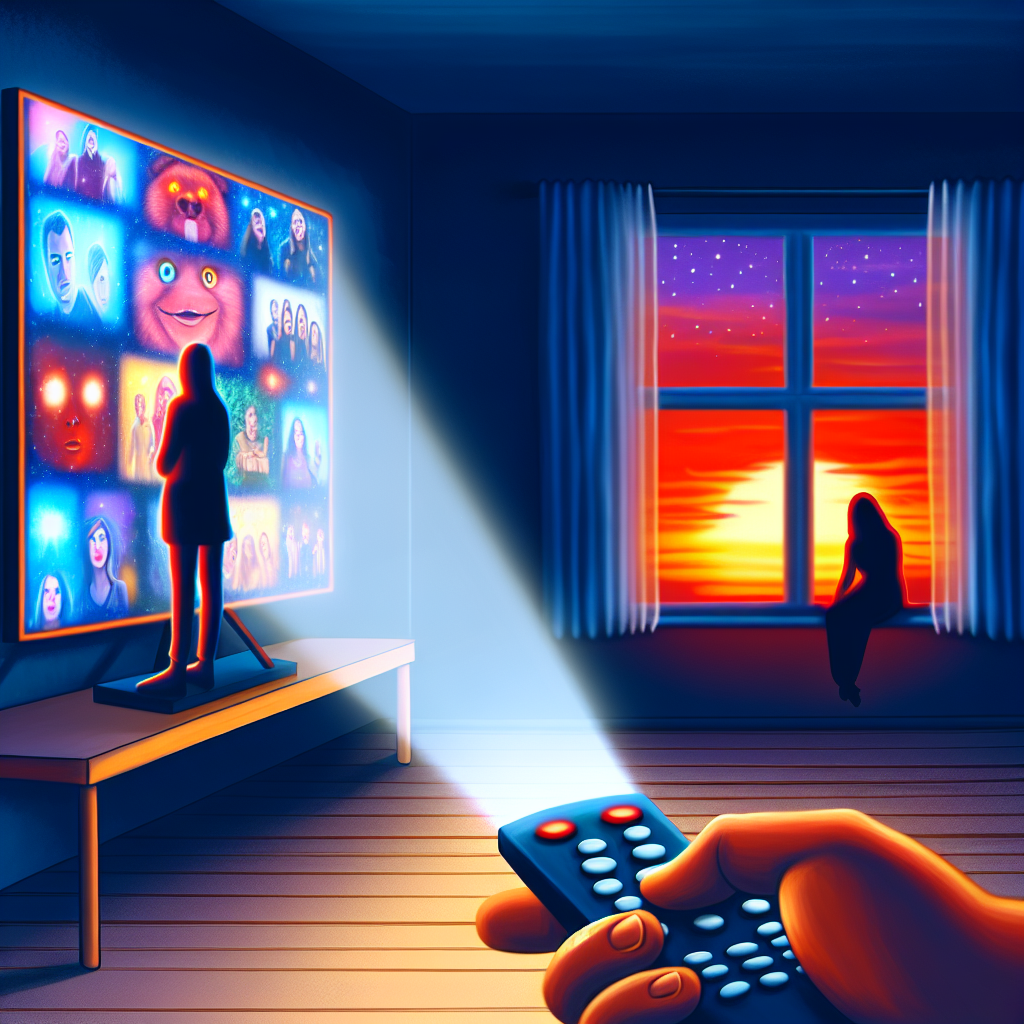
Digital Sedation: When Men Choose Screens Over Intimacy
In today’s digitally connected world, streaming platforms like Netflix, Hulu, and Prime Video have evolved beyond entertainment—they’ve become emotional safety nets. For many men, watching hours of online content isn’t just about relaxation; it’s an unconscious coping mechanism. Mental health professionals are now identifying this trend as digital sedation in relationships.
A 2022 report by the American Psychological Association found that nearly 60% of men use screen time to manage stress, often opting for it over engaging with their partners. But what’s really happening when a man repeatedly reaches for the remote instead of seeking intimacy? Let’s take a deeper look and explore how couples can reconnect.
The Rise of the Digital Cocoon
Streaming once brought people together—family movie nights or cozy evenings with your partner. Nowadays, personalized content creates isolated viewing experiences, allowing individuals to retreat into their own digital worlds.
“Men still face societal pressure to be strong, unemotional, and distant,” explains Dr. Justin Lehmiller, a social psychologist from the Kinsey Institute. “Digital sedation offers a space where emotional vulnerability isn’t necessary.”
After a long, stressful day—filled with work demands, family responsibilities, or societal expectations—escapism through a comedy show or action series becomes an easy-out. It’s comforting at the moment but gradually fosters emotional distance in marriages and long-term relationships.
Why Emotional Exhaustion Leads to Screen-Time Retreats
Imagine this: If you’re physically tired, the last thing you’d do is run a marathon. Similarly, if a man is emotionally drained, initiating a deep conversation or physical connection can feel overwhelming. Instead, zoning out in front of a familiar show offers instant relief—no energy, no emotional effort required.
Emotional Avoidance Disguised as Rest
At first glance, relaxing with Netflix after a tough day seems harmless. However, if screen time becomes a nightly tool to avoid intimate conversations or shared moments, emotional detachment can slowly undermine the relationship.
The National Institute of Mental Health reports that over 6 million men in the United States experience depression annually. Many of them go undiagnosed because they hide their symptoms or disengage emotionally. What may appear as harmless rest is often emotional avoidance—a quiet drain on intimacy.
Picture a woman sitting beside her partner on the couch, eager to talk or connect. He’s fixated on his screen. “Just five more minutes,” he says—but five minutes turn into hours. Over time, the unspoken wall grows taller, and silence takes the place of connection.
The Sexless Bedroom: A Wake-Up Call
One serious effect of emotional disconnection via screen time is the growing prevalence of sexless or low-sex marriages. According to the General Social Survey, more than 25% of married couples in the United States report not having had sex in the past year. One contributing factor? Excessive and isolating screen use.
Sex isn’t only about desire—it requires emotional closeness, vulnerability, and presence. When that emotional connection deteriorates, physical intimacy often follows.
“Screen use in the bedroom is strongly associated with decreased sexual activity,” says Dr. Ian Kerner, sex therapist and author of She Comes First. “But the core issue isn’t the screen—it’s the lack of emotional connection.”
As intimacy fades, dissatisfaction can bubble up—leading to resentment, confusion, or loneliness. What once served as stress relief can spiral into deeper relationship disconnect—a cycle often described as sexless relationship syndrome.
Toward Intimacy: Breaking the Screen-Time Cycle
The positive news? The cycle of emotional disengagement can be disrupted. It starts with self-awareness and honest reflection.
If this dynamic feels familiar, consider asking yourself:
– What am I avoiding emotionally when I turn to the TV?
– When did I stop showing interest in my partner’s thoughts or feelings?
– Has screen time become a substitute for genuine rest and connection?
The goal isn’t eliminating entertainment. On the contrary, watching shows together—mindfully—can actually foster closeness. The key is intentionality and using shared viewing as a springboard for conversation and bonding.
Practical Steps to Reignite Connection
Here are a few effective strategies couples can adopt to reduce digital sedation and encourage more meaningful interactions:
– Create screen-free zones, particularly in the bedroom.
– Schedule weekly “emotional check-ins”—ask each other how you’re truly feeling.
– Make time for non-sexual intimacy through cuddling, hand-holding, or taking a relaxing bath together.
– Don’t hesitate to consult with a licensed couples therapist if challenges persist.
For example, a couple named John and Maria created a “No Screens in the Bedroom” policy. Twice each week, they light candles, play soft music, and spend time simply talking—without an agenda. In just a few weeks, their emotional and physical intimacy improved.
Reimagining Masculinity and Emotional Connection
Let’s step back and look at the broader issue. This isn’t only about screen addiction—it’s about how masculinity is still often framed. Traditional masculine ideals champion stoicism, independence, and emotional restraint. But modern masculinity is shifting toward emotional intelligence, connection, and empathy.
As therapist Resmaa Menakem wisely said, “Healing doesn’t mean the pain never existed. It means the pain no longer controls you.” Recognizing digital sedation as an unconscious reaction to burnout or emotional discomfort can help create space for healing—not shame.
When men gain the courage to embrace vulnerability, they stop choosing screens over relationships. They begin choosing connection.
Final Thoughts: Connection Over Comfort
Netflix isn’t the villain—emotional avoidance is. When screen time becomes the default coping mechanism for stress, emotional disconnect takes root and quietly corrodes relationship foundations.
Next time you’re tempted to reach for the remote, take a moment to pause.
Ask yourself: Am I seeking connection—or avoiding it?
Thriving relationships don’t require perfect communication. They require showing up—consistently and authentically. So choose to reach for your partner, not just for the remote. Opt for contact over comfort. Vulnerability over avoidance.
Because in the end, connection isn’t just the antidote to digital sedation—it’s what makes life truly worth watching, together.
References
– American Psychological Association. (2022). Stress in America Report.
– National Institute of Mental Health (NIMH). Men and Depression.
– General Social Survey. (2016). Decline in Sex Frequency Among Married Couples.
– Lehmiller, Justin. Sex & Psychology Blog, Kinsey Institute.
– Kerner, Ian. (2021). She Comes First: The Thinking Man’s Guide to Pleasuring a Woman.
– Menakem, Resmaa. (2017). My Grandmother’s Hands.
For professional insights into emotional and sexual health, visit edrugstore.com.
