
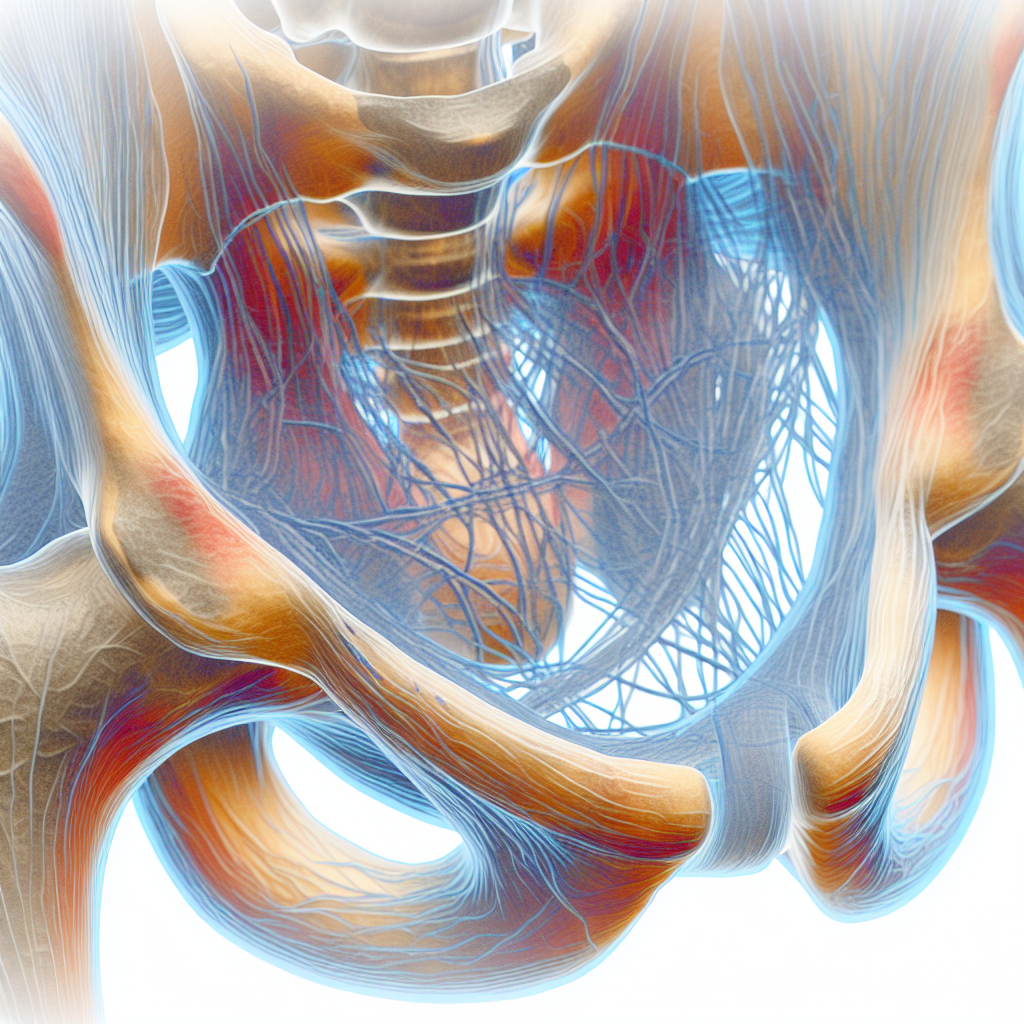
Understanding the Link Between Erectile Dysfunction and Dehydrated Pelvic Fascia
A Fresh Look at Erectile Dysfunction
In the realm of men’s health, erectile dysfunction (ED) is a significant concern. It affects nearly 30 million men in the United States, according to the National Institutes of Health. While ED is commonly associated with heart disease, low testosterone, or stress, new research is shedding light on another possible factor: dehydrated pelvic fascia and reduced tissue flexibility.
This lesser-known connection may offer hope for men dealing with ongoing performance issues. Let’s dive into what’s happening beneath the surface and why healthy fascia might be the missing link in the ED conversation.
What Is Pelvic Fascia and Why It’s Important
The pelvic fascia is part of the body’s network of connective tissue—a flexible layer rich in collagen that surrounds muscles, nerves, and organs. According to Dr. Carla Stecco, an expert in fascial anatomy, “Fascia is not inert; it coordinates movement and communication between systems throughout the body.”
In the pelvic region, fascia provides support to reproductive organs, pelvic floor muscles, and critical blood vessels. When properly hydrated, fascia remains soft and flexible, allowing smooth movement and enabling healthy blood flow—an essential component of proper erectile function.
However, fascia can lose moisture and become stiff over time, interfering with circulation and nerve function. When this happens, symptoms may appear not only in the pelvic area but throughout the body in the form of mobility or flexibility issues.
How Fascia Becomes Dehydrated
Fascia is primarily made up of collagen fibers and a fluid-rich, gel-like ground substance. This structure helps it stretch and move like a healthy rubber band. But when fascia loses hydration, it stiffens and can restrict important bodily functions.
Common causes of fascial dehydration include:
– Long hours of sitting, especially in desk jobs
– Inadequate water intake or low levels of electrolytes
– Chronic stress that tenses muscles
– Systemic inflammation
– The natural aging process
According to research published in the Journal of Bodywork and Movement Therapies, even brief periods of immobility can cause fascia to lose its natural sliding function in just one week. Without regular movement and fluid intake, pelvic fascia can dry out and become less responsive—limiting blood flow, disrupting nerve signals, and ultimately affecting erection support.
Real-life example: Have you ever felt groin stiffness after a long flight or hours in a chair? That’s your fascia signaling dehydration and reduced function.
The Role of Flexibility in Erectile Health
Achieving and maintaining an erection involves a complex interaction between several systems:
– Enhanced blood flow in the penile arteries
– Relaxation of pelvic floor muscles
– Proper hormone circulation, including testosterone
– Clear communication through neurological pathways
Each of these depends, in part, on the health and flexibility of fascia. Imagine dehydrated fascia like putting on stiff pants—if the tissue around the pelvic area doesn’t move properly, it’s harder for everything underneath to expand and function as needed.
Dr. Robert Schleip, director at the Fascia Research Group, states, “Fascial stiffness alters both blood flow and mobility, two key elements required for healthy erections.”
If you’re exploring solutions, consider over-the-counter treatments and medical evaluations from trusted providers like eDrugstore.com.
Signs Your Fascia May Be Dehydrated
Though fascia doesn’t send direct warning signs, your body may hint at potential issues. Here are subtle symptoms that could point to dehydration in the pelvic fascia:
– Stiffness in hips or lower back muscles
– Limited movement or tightness in the groin
– Tension in the glutes or upper thighs
– Sensation of pressure, as if wearing tight clothing
– Ongoing ED despite normal hormone and cardiovascular health
One case to note: Chris, 44, an active individual, found ongoing groin tightness hampering his performance. After six weeks of regular stretching and focused hydration, his erectile function improved—highlighting the hidden role of fascia in sexual health.
Five Proven Strategies to Restore Fascia Hydration and Flexibility
The encouraging news is that fascia can be rehydrated and rejuvenated through consistent, science-backed methods. With the right approach, improvements can occur in just a few weeks.
Here are five techniques to improve fascia function:
1. Keep Your Body Moving
Sitting too long compresses the pelvic area and limits the fascia’s ability to move freely. Stand up and stretch every 30–45 minutes. Low-impact exercises like pelvic tilts, lunges, and controlled hip circles can stimulate blood flow and encourage tissue mobility.
2. Try Myofascial Release
Foam rollers, massage balls, and targeted pressure help soften tight fascia. Focus on the hips, glutes, and lower abdomen. For deeper results, visit a pelvic floor physical therapist to tailor care to your specific needs.
3. Hydrate Effectively
Drinking water is essential, but don’t stop there. Add electrolytes such as magnesium or sodium—found in coconut water and bone broth—to enhance fluid absorption. Try to drink half your body weight in ounces of water daily.
4. Stretch with Purpose
Dynamic and static stretches like Happy Baby Pose, Pigeon Pose, and kneeling lunges are excellent for opening up the pelvis. Aim for a short 10-minute yoga or mobility session about three or four times weekly.
5. Minimize Chronic Stress
Stress not only tightens muscles but also dehydrates tissues over time. Breathing exercises, mindfulness, and regular meditation can help. A study published in the Journal of Complementary Therapies in Medicine showed that mindfulness training reduced fascial tension in as little as four weeks.
Why Fascia Matters in Modern Men’s Health
As science continues to evolve, so does our understanding of ED. No longer viewed purely as a cardiovascular or emotional disorder, erectile dysfunction is increasingly seen as a multifactorial issue—including the health of connective tissues.
Paying attention to the hydration and flexibility of your pelvic fascia offers a more complete, holistic path toward improved sexual health. Addressing this overlooked tissue can also enhance overall mobility, core strength, and daily comfort.
Many men now combine fascial therapy with conventional medical treatments like sildenafil and tadalafil. Learn more and explore safe solutions at eDrugstore.com.
Final Thoughts
Erectile dysfunction often has more than one root cause. While hormones and circulation remain key, pelvic fascia dehydration and stiffness are gaining recognition as influential contributors.
By staying hydrated, moving regularly, and supporting fascial health, men can create a strong foundation for lasting sexual vitality. This underappreciated tissue might just be the key to a more energetic, pain-free, and satisfying life.
Explore Further Resources on Men’s Health
If you’re seeking expert-supported therapies or medical options for erectile function, eDrugstore.com offers discreet support, reliable medications, and expert articles tailored to your needs.
References
1. Schleip R, Müller DG. Training principles for fascial connective tissues: Scientific foundation and suggested practical applications. J Bodyw Mov Ther. 2013;17(1):103-115.
2. Wilke J, Krause F, Vogt L, et al. What is evidence-based about myofascial chains: A systematic review. Arch Phys Med Rehabil. 2016;97(3):454-461.
3. Mehling WE, Wrubel J, Daubenmier JJ, et al. Body awareness: a phenomenological inquiry into the common ground of mind–body therapies. Philos Ethics Humanit Med. 2011;6:6.
Reclaim strength. Revive flexibility. Renew performance.