### Introduction to the Complexities of Erectile Dysfunction
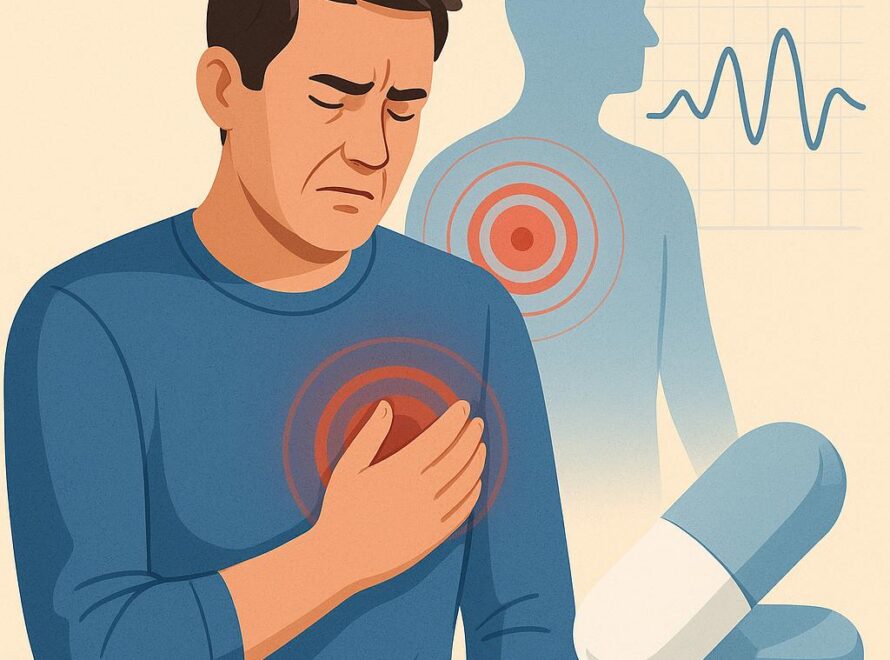
Erectile dysfunction (ED) is a widespread issue affecting around 30 million men in the United States alone, impacting individuals of all ages and causing significant emotional stress and relationship difficulties. Interestingly, some men experience normal nocturnal erections, signaling healthy physiological responses, yet they struggle with achieving or maintaining erections during partnered sexual activities. This raises the question: what causes erectile dysfunction in this particular context?
### The Physiology of Erections Demystified
Understanding erectile dysfunction requires a basic grasp of how erections occur. They result from a complex interaction of psychological, neural, vascular, and endocrine systems. During sexual arousal, the brain and local nerves send signals that cause the muscles in the corpora cavernosa to relax, allowing increased blood flow to the penis. This blood fills the spaces, causing the penis to expand and harden. According to Dr. John Hopkins, a noted urologist, “Understanding the biological and emotional interplay is crucial in effectively addressing ED.”
### Exploring the Role of Nocturnal Erections
Nocturnal penile tumescence (NPT) refers to the spontaneous erections that occur during the REM sleep phase, happening three to five times nightly for most men. NPT serves as the body’s way of maintaining penile health through tissue oxygenation and flexibility. While NPT highlights normal function, it does not eliminate the psychological barriers that men may face during intimate moments.
### Uncovering Psychological Influences
Anxiety, stress, and depression can significantly impact sexual performance, leading to psychological erectile dysfunction. Performance anxiety, for example, may result from the pressure of fulfilling expectations during sexual encounters, often creating a self-fulfilling cycle where fear of failure perpetuates the dysfunction. The American Psychological Association emphasizes, “Addressing mental hurdles is as critical as treating physical ones when tackling ED.”
Stress and depression can further impede sexual function. General stress, whether from work or personal life, can affect intimate engagements, and low self-esteem associated with depression complicates these challenges, affecting both psychological and sexual health.
### Relationship Dynamics and Their Effects on Sexual Health
Emotional disconnection, unresolved conflicts, and lack of open communication can negatively impact a satisfying sex life. Psychological disconnection can physically manifest as ED. Open discussions about sexual preferences, needs, and anxieties can relieve stress and enhance both emotional and sexual intimacy, transforming a stressful experience into a shared journey toward improvement.
### Lifestyle and Health: Hidden Contributors
Lifestyle choices like smoking, excessive alcohol consumption, sedentary habits, and health conditions such as hypertension, diabetes, or obesity can all affect sexual function despite normal nocturnal erections. According to the Centers for Disease Control and Prevention, adopting healthier lifestyles, including regular exercise and balanced diets, can promote better blood circulation and hormonal stability, essential for maintaining erectile function.
### Pathways to Resolution: Evaluation and Treatment
For men experiencing ED during partnered sex despite having normal nocturnal erections, consulting healthcare providers is crucial. Doctors can differentiate between psychological and physiological causes and recommend suitable treatments. Available options include:
– **Counseling and Therapy**: Cognitive-behavioral therapy (CBT) is effective in addressing performance anxiety.
– **Medications**: Prescription medications can aid in improving erectile function and should only be taken under professional guidance.
– **Lifestyle Changes**: Adopting healthier habits can significantly improve erectile health.
### Conclusion: Toward a Fulfilling Intimate Life
Addressing erectile dysfunction during partnered sex, even when nocturnal erections are normal, involves tackling a complex interplay of psychological, relational, and lifestyle factors. By understanding the core issues, fostering open communication, and seeking professional advice, men can effectively manage and resolve this concern. Achieving a balance of physical health, emotional connection, and relationship satisfaction leads to a more fulfilling intimate life.