
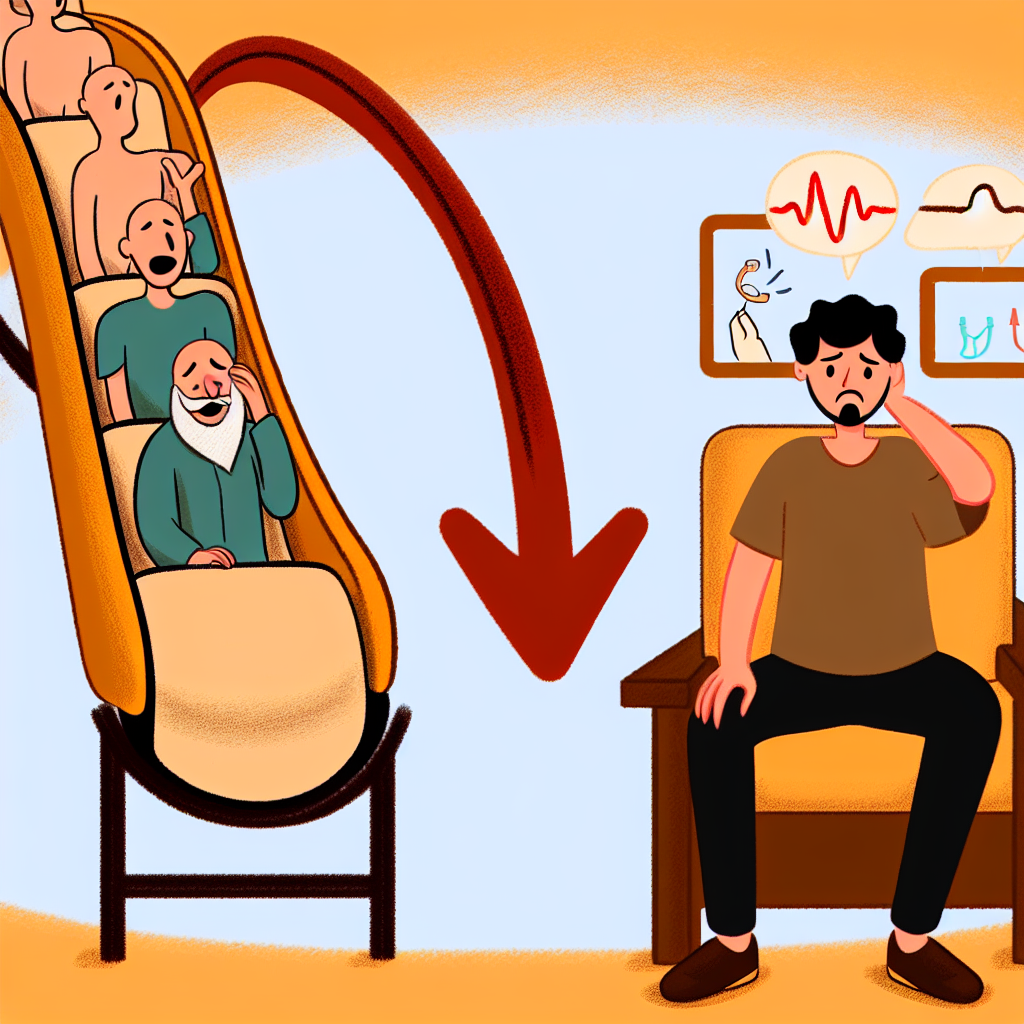
## Understanding the Fluctuating Nature of Erectile Dysfunction in Men
Erectile dysfunction (ED) affects approximately 30 million men in the United States alone. It is a common issue faced by many men at different points in their lives. While the condition can be unsettling, it’s essential to understand that its manifestation can vary. Symptoms might appear consistently, sporadically, or fluctuate daily. The challenge lies in discerning the causes of these fluctuations, which can raise concerns about underlying health problems. Today, we’ll explore the factors contributing to the variable nature of ED and when consulting a healthcare professional is advisable.
### What is Erectile Dysfunction?
Erectile dysfunction is defined by the difficulty in achieving or maintaining an erection sufficient for sexual activity. Although it can affect men of all ages, the prevalence increases as men age. While occasional challenges might not be alarming, persistent issues can affect emotional well-being, relationships, and overall quality of life.
### The Reasons Behind ED Symptom Fluctuations
For many, ED symptoms do not present as a constant condition. Instead, there is a variation in erectile functionality on different days. Let’s explore several factors contributing to the fluctuating nature of ED.
### Psychological Factors: The Impact of Mental Health
Stress, anxiety, and depression can have a significant effect on sexual performance. Dr. John Smith, a noted urologist, explains that “Men experiencing high stress may find it harder to perform sexually, leading to fluctuations. On less stressful days, they might experience fewer ED symptoms.” This underscores the influence of mental health on physical performance.
### Hormonal Changes: The Role of Testosterone
Testosterone levels naturally vary throughout the day and with age. For instance, men over 40 may experience a 1-2% annual decline in testosterone, potentially influencing ED. Certain health conditions can also cause hormonal imbalances, exacerbating ED symptoms. Fluctuating symptoms could indicate hormonal changes impacting erection quality.
### Lifestyle Influences: Daily Choices Matter
Diet, exercise, sleep, alcohol, and drug use significantly influence erectile health. An unhealthy lifestyle, such as heavy drinking, can lead to vascular problems affecting erection quality, as highlighted by research from the American Heart Association. Conversely, positive lifestyle changes, such as regular exercise, can improve symptoms. For a detailed guide on lifestyle modifications, resources like [eDrugstore.com](https://www.edrugstore.com/) provide valuable insights.
### Underlying Health Conditions: The Bigger Picture
Medical conditions like diabetes, hypertension, and heart disease can affect blood flow and nerve function, leading to fluctuations in erectile ability. Dr. Linda Green, a cardiologist, notes, “In some cases, ED might serve as an early warning sign of vascular issues.” Hence, monitoring symptoms and seeking medical attention is crucial.
### Do Fluctuating Symptoms Indicate a Deeper Health Issue?
Fluctuating ED symptoms might suggest underlying health problems, especially when accompanied by other symptoms. It is important for men to be attentive to their bodies and consult medical advice if the problems persist or worsen.
### When Should You Consult a Doctor?
– **Persistent Fluctuations:** If erectile performance varies consistently over an extended period, medical attention might be necessary.
– **Accompanying Symptoms:** Sudden weight changes, fatigue, or unexplained physical shifts could indicate hormonal or systemic issues.
– **Emotional Distress:** High anxiety or depression linked to ED symptoms necessitates a conversation with a healthcare provider.
### How Clinicians Can Help
Consulting a healthcare professional is crucial if you’re experiencing fluctuating ED symptoms. Doctors can help determine whether these fluctuations stem from lifestyle factors, psychological influences, or are indicative of more serious health issues. Treatment options may include:
– **Lifestyle Modifications:** Improving diet and exercise habits can enhance heart health and reduce ED impacts.
– **Medications:** Prescription medications can effectively manage symptoms for some individuals.
– **Therapy:** Counseling can address mental health issues contributing to ED.
– **Medical Assessments:** Tests like blood panels can assess hormone levels, and other diagnostics may explore underlying conditions.
### Conclusion: Taking Control of ED
Experiencing fluctuating ED symptoms can be frustrating, but understanding the potential causes and seeking medical advice is vital. By addressing both symptoms and any underlying health issues, men can improve their sexual health and overall well-being. Remember, ED is a common condition, and you are not alone in facing it. With appropriate support and treatment, many men notice significant improvements. If you’re uncertain, reach out — your health is invaluable.
### References
– National Institute of Diabetes and Digestive and Kidney Diseases. Erectile Dysfunction. Retrieved from [niddk.nih.gov](https://www.niddk.nih.gov)
– American Heart Association. The Effects of Alcohol on the Body. Retrieved from [heart.org](https://www.heart.org)
– Mayo Clinic Staff. Erectile dysfunction. Retrieved from [mayoclinic.org](https://www.mayoclinic.org)
