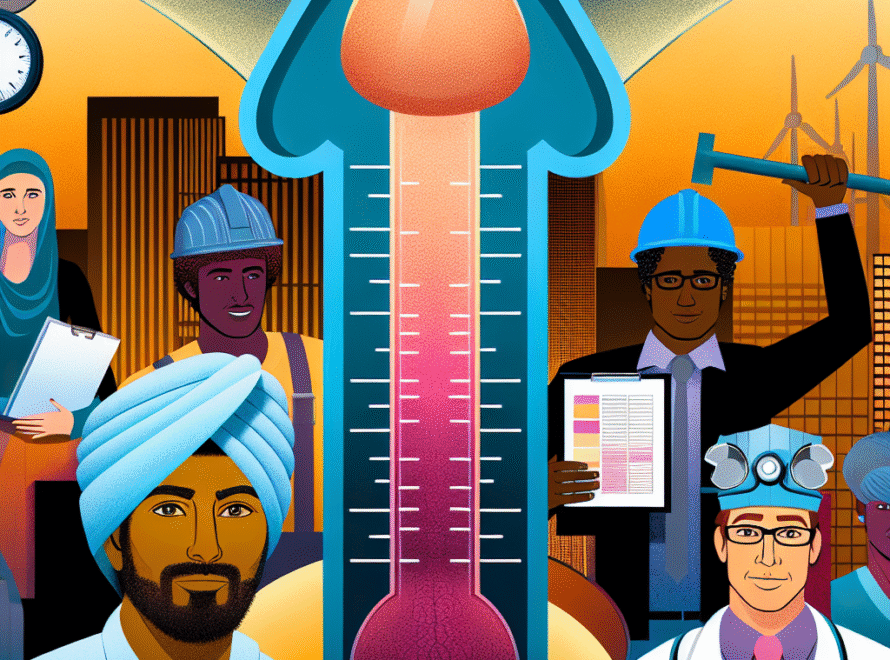

Cultural Perspectives on Premature Ejaculation: How Societies View Sexual Timing
Global Views on Sexual Performance and Premature Ejaculation
Sexual performance, particularly the timing of ejaculation, is a deeply personal subject shaped by cultural expectations and social norms. Premature ejaculation (PE) is typically defined as ejaculation that occurs within one minute of penetration and affects an estimated 20% to 30% of men globally, according to the International Society for Sexual Medicine. While advances in medical treatment continue, the way different societies understand and address PE differs significantly.
Cultural beliefs influence not only how individuals perceive male sexual performance but also how openly sexual dysfunction is discussed, whether people seek treatment, and which remedies are deemed acceptable. This article explores how various cultures interpret and manage PE through spiritual, historical, and modern lenses.
Western Perspectives: Performance, Psychology, and Openness
In North America and much of Europe, sexual timing is frequently viewed through a lens of performance, self-improvement, and communication. PE is clinically recognized in the DSM-5, which positions it as a legitimate psychological and sexual health issue.
“Our culture prioritizes function and endurance,” says Dr. Ian Kerner, a prominent sex therapist based in New York. “When men feel they don’t meet that standard, the resulting anxiety can make the issue worse.”
A culture of open communication around sex supports the normalization of discussing PE. Podcasts, blogs, and therapy sessions regularly explore ways to improve sexual well-being. Men are encouraged to consider treatments such as topical delay sprays, SSRIs, psychotherapy, and discreet telehealth services like those provided by edrugstore.com.
Despite these resources, the pressure to “last longer” in bed often increases stress. As one man posted in an online health forum, “It’s not just about timing—it’s about feeling like you’re letting your partner down.” This sentiment pushes some men to suffer in silence or experiment with unproven online solutions.
Eastern Insights: Qi, Control, and Ancient Wisdom
In East Asian cultures—especially in China, Korea, and Japan—ejaculation is often associated with the balance and conservation of vital energy, known as “qi.” Rooted in Taoist philosophy, the act of ejaculation is perceived as depleting one’s life force, making sexual control a symbol of health, discipline, and balance.
Ancient practices like “dual cultivation” and “coital conservation” aim not at climax but at deep emotional and spiritual connection. A traditional Taoist phrase captures this belief: “A hundred drops of sperm equal ten drops of blood,” emphasizing the perceived value of sexual restraint.
Today, many people combine traditional remedies—including herbal medicine, acupuncture, and dietary changes—with modern medical approaches. Research in Andrologia suggests that traditional Chinese medicine can be effective in treating PE, especially when paired with behavioral therapies.
However, cultural stigmas around discussing sex remain. A 2021 survey in Taiwan revealed that over half of respondents found public conversation about sexual health inappropriate. As a result, many avoid medical treatment and instead turn to traditional healers for help.
Middle Eastern Views: Masculinity, Honor, and Quiet Solutions
In many Middle Eastern societies, especially those with predominantly Muslim populations, male sexuality is closely tied to concepts of honor, religious obligation, and masculinity. Premature ejaculation is acknowledged but rarely spoken of openly, often seen as a sign of weakness.
Islamic teachings emphasize mutual satisfaction in marriage, yet talking about sexual issues remains taboo. A 2019 study from the Journal of Middle East Women’s Studies showed that only 30% of men in Jordan had ever discussed sexual difficulties, even with their partners.
Historically, the Arab world has a rich legacy of medical scholarship around sexual wellness, including detailed works by thinkers like Avicenna (Ibn Sina). His writings continue to shape understanding and treatment methods today.
Because of ongoing stigma, men often seek help through discreet channels like private clinics, online forums, or traditional healers. Services such as edrugstore.com serve as a bridge between modern medicine and cultural sensitivity, offering private, doctor-approved care.
African Traditions: Community, Spiritual Healing, and Emerging Access
Across Africa, views on sexual health intertwine with spirituality, fertility, and communal traditions. Though beliefs and customs differ across regions, male reproductive vitality is often seen as a reflection of health and strength.
In groups such as the Maasai of Kenya or the Zulu of South Africa, male initiation rites include education on sexual stamina and delayed ejaculation. Premature ejaculation may sometimes be attributed to spiritual imbalance or ancestral disapproval, prompting interventions from traditional healers or spiritual leaders.
“Men seek help not only for herbs but for spiritual cleansing as well,” said Dr. Charity Mbedzi, a traditional healer in Zimbabwe. “Sexual failure can be perceived as a curse or a family issue.”
As urbanization increases, access to clinical treatment is improving across major African cities such as Johannesburg, Nairobi, and Lagos. According to a 2020 World Health Organization report, urban African men increasingly favor integrative care, blending conventional medicine with traditional practices.
However, community involvement in sexual health conversations can complicate privacy. Cultural norms may involve extended family or elders in addressing PE, offering support but sometimes reducing autonomy.
Latin American Ideals: Passion, Machismo, and Shifting Norms
In countries like Brazil, Mexico, and Argentina, traditional masculine ideals continue to shape how male sexual performance is viewed. The cultural concept of machismo places value on dominance, strength, and sexual prowess, historically leading to the stigmatization of conditions like PE.
“You don’t show weakness, whether it’s in sports or in the bedroom,” says Dr. Mariana Ferreira, a São Paulo–based psychologist who specializes in men’s health. However, this narrative is beginning to change. The rise of mental health awareness, media coverage, and digital health platforms is shifting how men approach premature ejaculation.
Online health services, including edrugstore.com, are increasingly offering Spanish and Portuguese-language consultations and resources. These localized, private support systems make it easier for Latin American men to seek treatment without fear of judgment.
A survey by the Pan American Health Organization found that 64% of millennial men in Latin America support more open conversations about male sexual health. The focus is gradually moving toward emotional connection, mutual pleasure, and open dialogue—redefining sexual satisfaction beyond mere performance.
Conclusion: Shared Struggles, Unique Solutions
Though the physiological causes of premature ejaculation remain the same across the globe, how different cultures interpret and treat the condition varies widely. From the Western emphasis on endurance and open dialogue, to East Asia’s preservation of vital energy, to the quiet strength emphasized in the Middle East, and the communal, spiritual approaches in many African regions, each cultural lens contributes a unique perspective on sexual wellness.
Understanding these diverse viewpoints can enable health professionals to offer more inclusive, respectful care and help individuals reflect on their own beliefs. Global platforms like edrugstore.com provide culturally tailored, medically validated treatments—uniting tradition with modern innovation.
In an increasingly connected world, embracing these different perspectives empowers us all to foster better communication, tackle stigma, and promote genuine sexual well-being.
Further Reading and Resources
– American Psychiatric Association (2013). Diagnostic and Statistical Manual of Mental Disorders, Fifth Edition.
– Zhou, M., & Zhang, Y. (2020). Traditional Chinese medicine treatment of premature ejaculation: A review. Andrologia, 52(9).
– World Health Organization (2020). Men’s Health in Urban Africa: Shifting Paradigms.
– International Society for Sexual Medicine. Premature ejaculation: Symptoms and treatment options.
– Journal of Middle East Women’s Studies (2019). Masculinity, sexuality, and silence in Jordanian men.
🔗 Looking for discreet, doctor-approved treatments? Visit edrugstore.com to learn more about managing premature ejaculation.