Understanding the 24-Hour Libido Crash
We’ve all heard the saying, “Too much of a good thing can be bad.” When it comes to the sudden drop in sexual desire after intercourse—commonly called the “24-hour libido crash”—there’s actual science behind it. This post-sex dip in libido is not a coincidence but a natural response to a complex shift in brain chemistry. According to certified sex therapist Dr. Ian Kerner, “What you’re feeling isn’t just in your head—it’s in your hormones.” In this article, we’ll explore the biological reactions that occur after orgasm and how they can affect your mood, energy, and overall sexual desire in the following day.
The Immediate Aftermath: More Than Just Sleepiness
After sexual climax, it’s common to feel calm or even exhausted. While for some this is a satisfying wind-down, others might be caught off guard by a sudden dip in mood or motivation. This isn’t purely psychological—the root lies in hormonal and neurotransmitter activity.
Clarifying example: If you’ve ever felt deeply connected with your partner during sex but unexpectedly distant the next morning, it’s likely a direct result of shifting dopamine and oxytocin levels.
The Orgasmic High: What Happens Inside the Brain
Before the post-orgasmic crash, the body experiences a powerful neurochemical surge that creates a peak of pleasure, connection, and emotional release. This is driven by several key chemicals:
– Dopamine: This “feel-good” neurotransmitter spikes during sexual arousal and peaks at orgasm. It’s closely tied to motivation, reward, and desire.
– Oxytocin: Often referred to as the “love hormone,” oxytocin is released during climax—especially with a partner—helping to cement emotional bonds and feelings of intimacy.
– Prolactin: This hormone sharply increases after ejaculation, particularly in men. It suppresses the dopamine reward system and plays a primary role in the refractory period.
– Endorphins: These natural chemicals create a mild euphoric state and help reduce pain or stress, contributing to that floating post-orgasm feeling.
These substances together produce a temporary emotional and physical high—but what goes up must come down.
The Crash: How the Body Resets
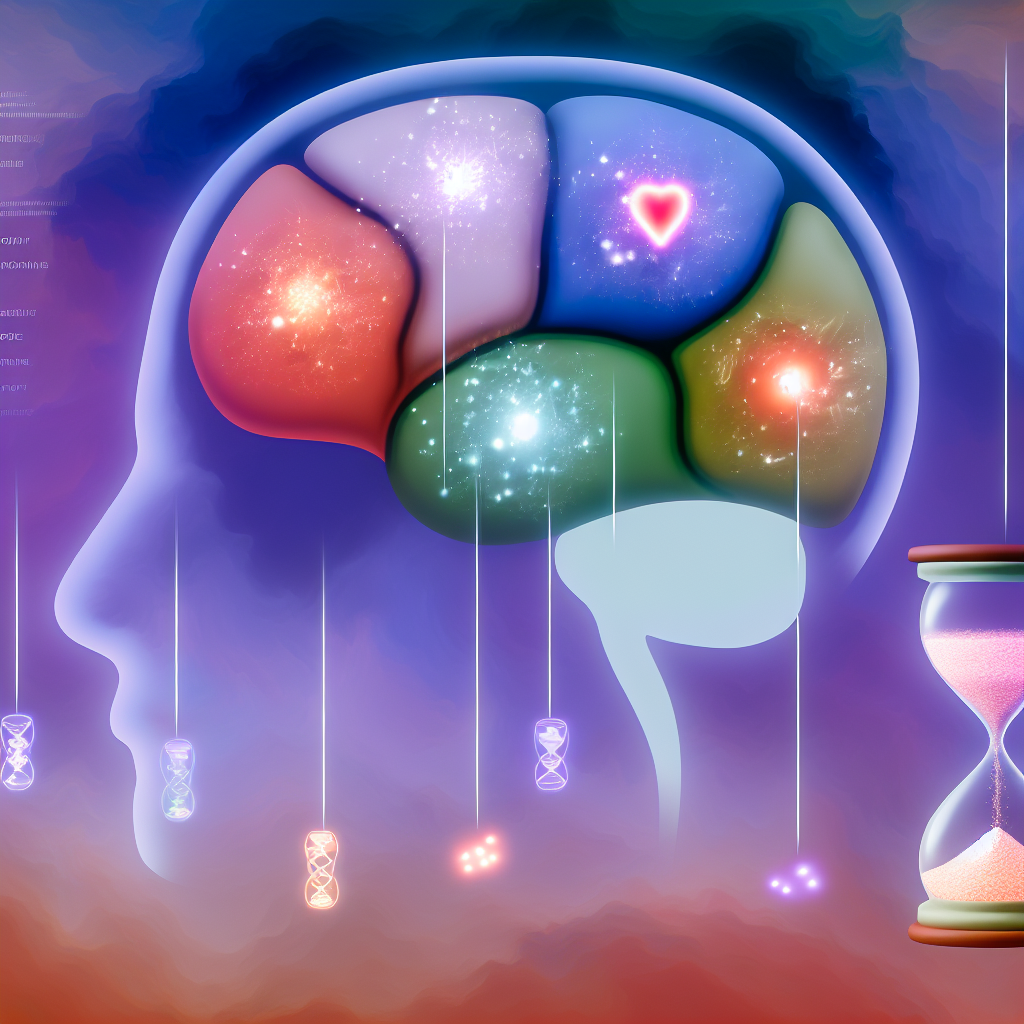
After orgasm, the body attempts to normalize, and this becomes the basis of the so-called 24-hour libido crash. Various systems recalibrate, leaving some people feeling disconnected, tired, or uninterested in sexual intimacy for a period afterward.
Prolactin’s Role in Shutting Down Arousal
Prolactin is perhaps the most critical element behind the libido drop. Post-orgasm, prolactin levels can spike up to 400%, particularly in men (Krüger & Hartmann, 2005). This hormone plays a critical role in ending arousal by turning off dopamine activity.
Expert insight: “High prolactin acts like a sexual ‘off switch.’ It tells your brain and body that the sexual activity is over,” says endocrinologist Dr. Laura Meyer.
Real-life example: This explains why men usually feel sleepy or need a break before becoming aroused again. For women, this post-coital fatigue may relate more to oxytocin withdrawal than prolactin levels.
Dopamine Withdrawal: The Motivation Dip
Dopamine, essential for feelings of drive and engagement, declines steeply after climax. Since it’s integral to reward and purpose, a post-orgasm dopamine crash may leave you feeling emotionally flat, unmotivated, or slightly irritable.
Research highlights: A 2014 study published in the Journal of Sexual Medicine found that individuals who engaged in daily orgasms experienced a 30% decrease in baseline motivation by the third day.
Oxytocin’s Quick Disappearance
Oxytocin, which drives emotional bonding and intimacy, declines quickly—usually within 20 to 40 minutes of climax. For some, this quick drop can feel emotionally jarring.
Clarifying example: If you’ve felt euphoric during sex but then unexpectedly moody or detached later, oxytocin’s decline, in tandem with a dopamine reset, is likely to blame.
What the Libido Crash Feels Like
Though not a medical diagnosis, the “24-hour libido crash” is a real biochemical event. The crash is usually felt within 12 to 24 hours after orgasm and may manifest as:
– Low energy
– Loss of interest in sex
– Irritability
– Mild feelings of depression
If sexual activity or orgasm is frequent, the combined effects of elevated prolactin and suppressed dopamine can create a prolonged sense of emotional flatness or sexual disinterest.
The Crash Isn’t the Same for Everyone
Not everyone experiences post-orgasmic changes in the same way. Individual hormonal rhythms, gender, health status, and even menstrual cycles can all play a role in how a person reacts.
In general, men often experience a more intense dopamine crash and a higher prolactin spike, resulting in a clearer refractory period and more noticeable libido drop. For women, hormonal fluctuations tied to the menstrual cycle can influence intensity. For example, having sex just before menstruation—when emotional states are already changing—can intensify post-orgasm emotional swings.
Expert quote: “Each person has a unique hormonal fingerprint. Libido changes post-orgasm depend on how your body handles dopamine and prolactin. Some people recover in minutes, others may take a full day,” explains Dr. Isha Patel, a psychoneuroendocrinologist.
How to Offset the Libido Crash: 5 Recovery Tips
There’s no need to avoid sex in order to avoid the dip. Instead, learning to manage the neurochemical comedown can help you recover more effectively and even enhance post-sex satisfaction.
Here are five helpful ways to rebalance:
1. Stay Active: Engaging in light movement like walking or stretching after sex can help ease your body and brain out of the dopamine surge more gently.
2. Eat Dopamine-Supportive Foods: Incorporate foods rich in tyrosine, such as bananas, lean meats, eggs, and avocados. Dark chocolate is also a natural dopamine booster.
3. Hydrate and Sleep: Dehydration is a libido killer. Staying physically refreshed and getting high-quality sleep can smooth hormonal recovery.
4. Extend Intimacy: Aftercare—like cuddling or meaningful conversation—helps sustain oxytocin levels for longer, reducing emotional withdrawal.
5. Self-Check: If post-sex sadness is frequent, journaling or speaking with a therapist can help reveal emotional triggers and improve your coping strategy.
Understanding Your Sexual Chemistry
Post-sex fatigue and mood shifts might feel confusing, especially after otherwise fulfilling intimacy, but it’s important to recognize that they are part of the body’s natural rhythm. The 24-hour libido reset is not a sign of disconnection or dissatisfaction—it’s simply neurochemistry in action.
Instead of avoiding sexual activity, deepen your awareness of how your libido reacts post-orgasm. Recognizing your body’s unique rhythm allows you to take better control of your emotional and physical wellness, making your experiences more satisfying—and your relationships stronger.
When you embrace sexuality as a holistic event that affects the brain, body, and emotions, you empower yourself to connect more deeply with your partner and your own needs.
Learn More About How Neurochemistry Affects Sexual Health
For additional tips, treatment options, and men’s health resources, visit eDrugstore.com and explore expert insights on libido, relationships, and hormone-driven changes in mood and desire.
References
– Krüger, T. H., & Hartmann, U. (2005). “Neuroendocrine mechanisms of sexual arousal and orgasm in men and women,” Hormones and Behavior, 47(2), 198–203. https://doi.org/10.1016/j.yhbeh.2004.11.012
– Journal of Sexual Medicine (2014). “Dopaminergic Pathways and the Orgasmic Reward System.” SSRN.
– Dr. Ian Kerner, Certified Sex Therapist – Interview archive, Psychology Today (2021)
– Dr. Isha Patel, Psychoneuroendocrinologist – “Navigating Libido Changes,” Men’s Health Today, Jan 2022
– eDrugstore Blog: https://www.edrugstore.com/blog/
End of article.