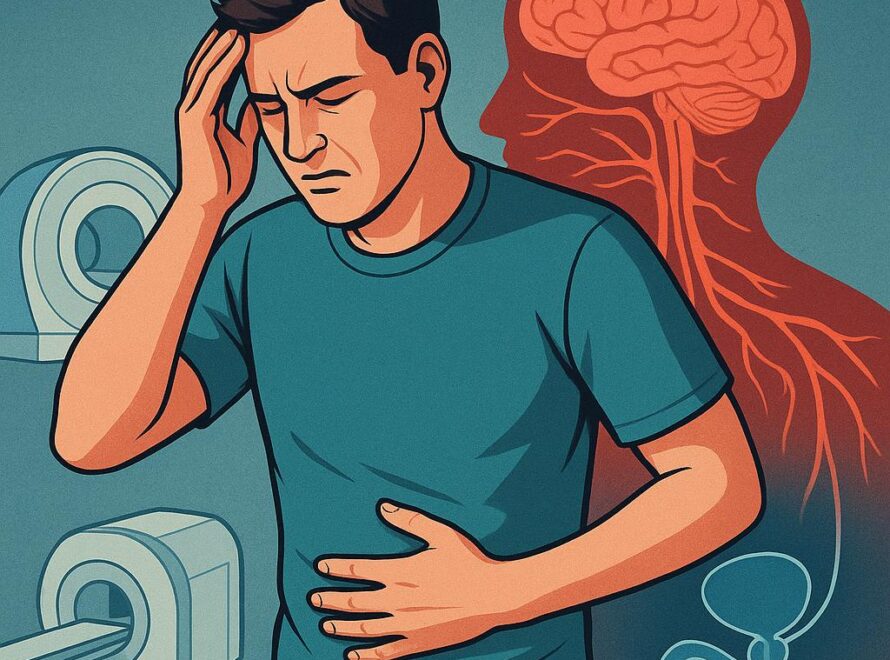

The Dopamine Blueprint: How to Boost Motivation Naturally for Better Bedroom Performance
Lost Motivation? Your Brain Might Be to Blame
In today’s hyperconnected world, staying physically and emotionally motivated—especially in the bedroom—feels more difficult than ever. Constant screen exposure, demanding schedules, and chronic stress leave many people drained long before they even think about intimacy. But what if the secret to reigniting desire lies not in your environment, but in your brain chemistry?
Welcome to the science-driven method of enhancing your dopamine levels to naturally boost sexual health and intimacy. This is your comprehensive guide to utilizing dopamine—the brain’s motivation molecule—to reignite passion and improve connection.
Understanding Dopamine: The Motivation Molecule
Dopamine, often labeled the “feel-good” chemical, plays a much deeper role. It’s responsible for everything from motivation and reward anticipation to decision-making and pleasure. According to the Cleveland Clinic, dopamine regulates both emotional connection and sexual drive.
“When someone experiences healthy levels of dopamine, we often see stronger libido and more engaged emotional intimacy,” explains Dr. Andrew Huberman, neuroscientist and professor at Stanford University.
Whenever you crave connection, affection, or closeness—it’s dopamine at work. But modern digital habits can disrupt this delicate system. Platforms like TikTok or binge-streaming shows bombard the brain with fast dopamine spikes that, over time, dampen your sensitivity to natural pleasures, including physical intimacy.
Psychology Today warns that this repeated overstimulation can cause dopamine desensitization, reducing your brain’s ability to respond to real-world pleasures like intimacy and touch. In simple terms, your brain may begin favoring virtual pleasure over real experiences—making intimate moments feel less satisfying over time.
Dopamine Burnout: The Hidden Cause Behind Low Desire
If dopamine is responsible for motivation and arousal, why do so many people feel disconnected or disinterested in intimacy?
The answer lies in chronic dopamine overload from constant digital engagement.
According to a 2023 study by Asurion, the average American checks their phone 96 times per day—roughly once every 10 minutes. Add social media, streaming platforms, junk food, and online adult content, and you’ve got a recipe for “dopamine burnout.”
Over time, the brain compensates for this constant stimulation by downregulating dopamine receptors. That means it becomes harder to feel joy and motivation from natural sources like love, touch, and emotional connection.
Dr. Shannon Chavez, a clinical sexologist, notes: “Our modern lifestyle is overstimulating the brain’s reward system, making natural pleasures like sex or affection feel dull. This shift is significantly impacting desire, particularly in long-term relationships.”
Fortunately, there is a science-backed pathway to restore balance and revive both connection and excitement.
The Dopamine Blueprint: 5 Natural Ways to Reignite Passion
Recharging your motivation and revitalizing your intimate life starts with repairing your dopamine response. Use these five research-based strategies to rebuild your brain’s reward system and enhance bedroom performance naturally.
Unplug to Reboot: Try a Dopamine Detox
Begin with a brief detox—avoid social media, movies, video games, fast food, and pornography for 24–48 hours. While the early stages may feel uncomfortable, this withdrawal helps reset your brain’s reward system and increases your receptivity to genuine pleasures.
For example, one man who paused digital stimulation for seven days reported feeling more emotionally aligned and spontaneously aroused by Day 5.
Reintroduce Natural Mood Boosters
Once you’ve detoxed, start refueling pleasure through natural stimulants. Try long walks, a nutritious diet, and physical affection like hugging, cuddling, or extended eye contact.
– Exercise: Boosts dopamine receptor sensitivity.
– Nutrition: Bananas, almonds, and salmon promote dopamine production.
– Touch: Physical intimacy enhances dopamine and oxytocin levels.
Dr. Laura Berman, relationship therapist and author of For Better, For Worse, notes: “Physical intimacy initiates a hormonal cascade that includes dopamine and oxytocin, which strengthens connection and desire.”
Plan for Anticipation, Not Just Spontaneity
Here’s a surprising truth: dopamine peaks not during pleasure itself but during anticipation. Incorporate build-up into your intimate life. Create scheduled “date nights,” send flirtatious messages during the day, or craft a shared ritual with your partner.
Simple steps like planning ahead and increasing emotional anticipation can heighten dopamine response, making intimacy feel more engaging and rewarding.
Add Variety to Keep It Exciting
To avoid routine-induced boredom, intentionally rotate romantic settings and sensory experiences. Switch up:
– Lighting (e.g., candles vs. natural light)
– Sounds (ambient music, romantic playlists)
– Scents (essential oils or new fragrances)
– Touch (try massage oils or changes in pressure)
Creating novelty triggers the brain’s reward pathways more effectively, keeping your relationship dynamic and stimulating.
Adopt a Growth-Oriented Outlook
Believing that desire can grow actually supports dopamine release. A 2021 study in Frontiers in Psychology found individuals with a growth mindset produced stronger dopamine responses when pursuing change.
Try these mindset-building habits:
– Track small wins and progress.
– Replace self-doubt with affirmations like: “I can improve how I connect.”
– Encourage shared goals for emotional and physical closeness.
Meaning Fuels Motivation: Connect Emotionally
Intimacy without emotional connection can feel shallow. But when sex is part of a greater emotional bond, dopamine works more effectively in tandem with oxytocin—the hormone that deepens emotional closeness.
Shift your focus from performance to partnership. Ask:
– How can I make today feel meaningful for my partner?
– What shared experience do we need right now?
This approach reframes sex as exploration and connection rather than a performance metric—enhancing both satisfaction and emotional intimacy.
Quick Hacks to Elevate Dopamine Naturally
Looking for fast, actionable ways to enhance your natural dopamine levels? Try these proven techniques:
– Aerobic exercise: 20 minutes daily boosts dopamine and testosterone.
– Cold showers: Shown to raise dopamine by up to 250 percent.
– Meditation and breathwork: Stimulates brain frequencies linked to dopamine.
– Sunlight exposure: 15–20 minutes daily improves mood and testosterone.
– L-Tyrosine-rich foods: Avocados, poultry, yogurt, and leafy greens support dopamine production.
Bridging Science and Support
If you’re experiencing challenges related to performance or arousal, platforms like eDrugstore.com provide discreet, trustworthy access to FDA-approved ED treatments. These can be combined with lifestyle changes aimed at dopamine optimization for holistic improvements.
Final Thoughts: Motivation Without Overstimulation
When your spark starts to fade or your intimate connection feels stalled, the solution often isn’t extra external stimulation—it’s internal restoration.
By committing to small, sustainable dopamine resets and focusing on connection over performance, you’ll begin to feel a deeper, more fulfilling form of desire. The Dopamine Blueprint offers a long-term path to restoring both emotional and physical satisfaction—not just in bed, but in life as a whole.
So take the first step. Turn off the noise. Reconnect with your body, your partner, and your purpose. When your biology and behavior work together, extraordinary things can happen.
Start Now: Reignite Pleasure with the Dopamine Blueprint
Don’t wait for things to change on their own. Begin your dopamine transformation today—experience more motivation, richer connection, and better intimacy with tools that align with the way your brain is designed. You deserve it.
References
– Cleveland Clinic (2022). What Is Dopamine?
– Asurion (2023). Americans Check Their Phones 96 Times a Day.
– Huberman, A. (2023). Dopamine & Motivation—Huberman Lab Podcast.
– Berman, L. (2021). For Better, For Worse: The Science Behind Intimacy.
– Chavez, S. (2022). Sex in the Digital Age—Psychology Today.
– Clinical Autonomic Research (2000). Impact of Cold Exposure on Neurochemical Activity.
– Frontiers in Psychology (2021). Growth Mindset and Dopaminergic Response.