
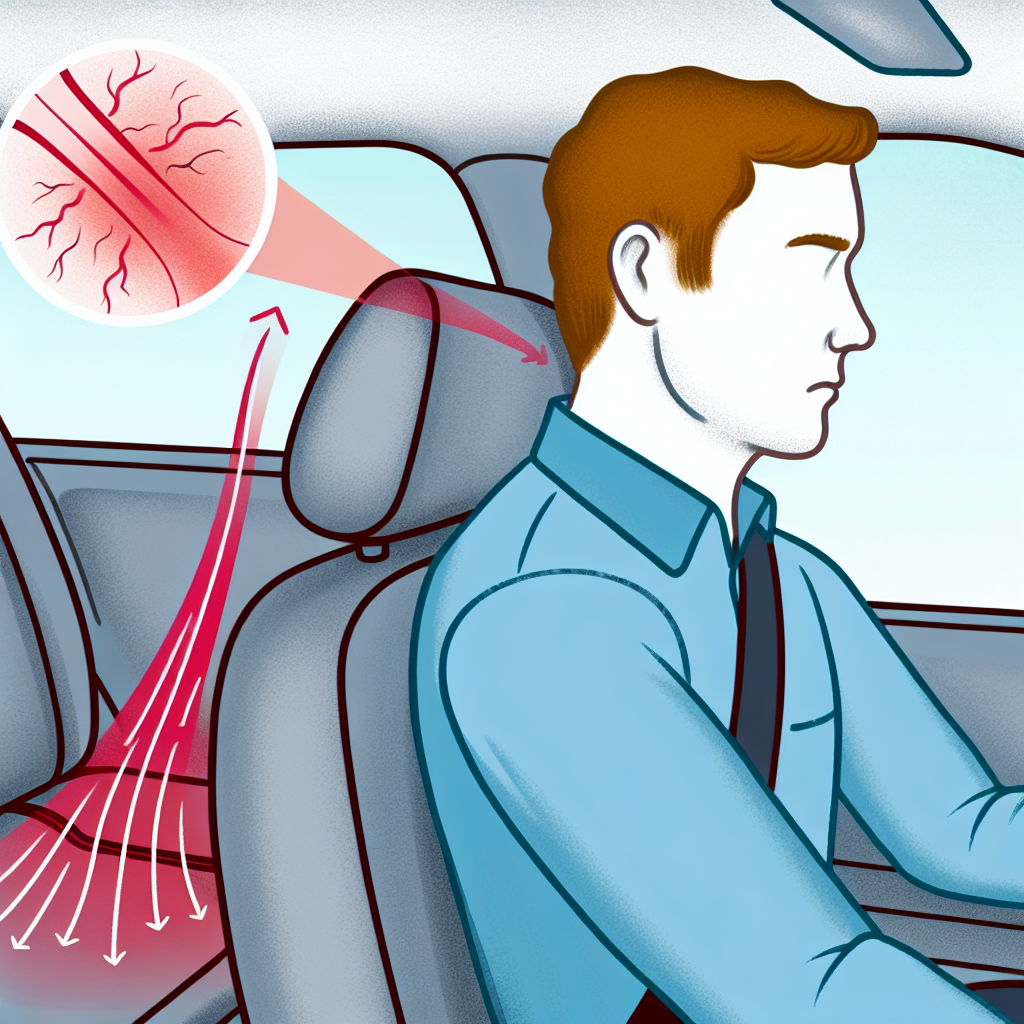
ED and Driving: How Your Car Seat Could Be Affecting Your Sexual Health
Many men are aware of the most common causes of erectile dysfunction (ED)—poor blood circulation, high stress, hormone imbalances, or medication side effects. But fewer recognize a surprising factor that might be right under them: their car seat.
If you spend long hours driving—whether you’re a commuter, truck driver, or delivery worker—your driving posture could be quietly harming your sexual performance. Research shows that poor car seat angles can reduce penile blood flow over time by placing pressure on critical nerves and blood vessels in the pelvic region.
Sitting incorrectly behind the wheel may not trigger ED immediately, but repeated poor posture over months or years can lead to troubling symptoms.
This article explains how extended driving affects blood flow to the pelvic region, the science behind compression-based ED, and the practical steps you can take to protect your sexual health—without giving up your car keys.
Understanding Compression and Its Link to Erectile Dysfunction
Erectile dysfunction occurs when you can’t achieve or maintain an erection suitable for sex. While it’s often blamed on hormones or stress, proper blood flow to the penis is one of the most critical factors.
“The penis is a vascular organ, so any obstruction to blood flow, especially chronic compression in the pelvic area, can compromise erectile ability,” says Dr. Steven Lamm, director of NYU Men’s Health Center.
When you sit for extended periods—especially in poorly designed seats or reclined positions—you may be increasing pressure on the perineum, the sensitive area between the genitals and anus. This can compress the pudendal nerve and restrict blood flow to the penis.
For instance, a 2016 study in the Journal of Sexual Medicine found that cyclists who experienced perineal pressure from narrow bike seats showed higher rates of ED symptoms compared to non-cyclists. While “cyclist’s syndrome” is fairly well-known, few people realize that long hours in a car seat can have similar effects.
If you’ve felt tingling, numbness, or soreness in your pelvic area after driving, it could be an early warning from your body.
How Car Seat Angle Impacts Pelvic Blood Flow
Your pelvis serves as the foundation for good posture and healthy blood circulation while sitting. If your car seat is tilted too far back, the spine loses its natural curve, putting direct pressure on the perineum. This slouched posture compresses sensitive nerves and veins that play a key role in achieving erections.
If your seat is too far forward or your knees are raised above hip level, you’re likely stretching the tissue in unhealthy ways that increase the risk of compression.
According to the National Institutes of Health (NIH), impaired blood flow accounts for up to 70 percent of ED cases.
In addition, prolonged sitting with poor posture may raise the temperature in the testicular area, which could affect testosterone production—another vital factor in sexual performance.
For example, driving three or more hours a day in poor posture is like placing a slow, invisible clamp on your pelvic nerves and vessels. The adverse effects can quietly build over time, particularly for men over 40, when vascular function and hormone levels already begin to decline.
For more on ED causes, check out this in-depth guide from eDrugstore.com: Understanding Erectile Dysfunction Causes.
Warning Signs You Shouldn’t Ignore
Many men don’t connect their driving habits with their sexual health until clear symptoms appear. Here are some common red flags to watch for:
– Tingling, numbness, or soreness in the groin after driving
– Decreased sensitivity during intimacy
– Difficulty achieving or maintaining an erection
– Lower back or hip stiffness after sitting
– Pelvic discomfort or muscle tightness post-drive
If you’re experiencing any of these issues, your car seat posture may be playing a role. It’s time to assess your seating position and make simple but powerful adjustments.
How to Improve Your Driving Posture for Better Sexual Health
The good news? You don’t need to give up driving to protect your sexual health. A few easy adjustments to your car seat can dramatically reduce pelvic compression and improve blood flow.
Try these five tips for healthier, more comfortable driving:
1. Tilt Your Seat Correctly
Position your seat so that your knees are level with—or slightly lower than—your hips. Avoid reclining too far back or leaning forward. This reduces pressure on your perineal region.
2. Add Lumbar Support
Use a lumbar support pillow or a rolled-up towel behind your lower back to promote upright posture and spinal alignment.
3. Maintain a Neutral Sitting Position
Aim to keep your back straight, avoiding both slouching and exaggerated arches. A neutral spine distributes weight evenly and keeps pelvic nerves free from compression.
4. Take Movement Breaks
Stop every 60 to 90 minutes during long drives to stretch, walk around, and release pressure from your lower body. Movement keeps your blood circulating and reduces stiffness.
5. Use an Ergonomic Seat Cushion
Consider a seat cushion designed to relieve pressure from your tailbone and groin. Options like perineal cut-out pads or “prostate relief cushions” can make your drive significantly more comfortable.
Not sure which cushion to choose? Browse this list of top-rated ergonomic cushions recommended by healthcare professionals on eDrugstore.com.
Why Sitting Matters More Than You Think
It’s easy to overlook how everyday habits—like how you sit in your car—can affect your body in the long term. But sitting with improper posture for prolonged periods can silently harm your sexual function by compressing critical nerves and obstructing blood flow.
According to the Cleveland Clinic, up to 40 percent of men experience some level of erectile dysfunction by the age of 40. If you’re spending several hours each day behind the wheel, your posture could be a hidden piece of the puzzle.
Making small adjustments—like improving your seat angle, adding support, and taking regular breaks—can help reduce pelvic pressure and support better circulation. Healthier blood flow doesn’t just improve erection quality—it also aids in hormone regulation and overall vitality.
“Your sexual well-being is a reflection of your overall vascular health. Good circulation is everything,” says Dr. Lamm.
So the next time you settle into the driver’s seat, remember: Small changes in posture can make a big difference in comfort, confidence, and long-term sexual performance.
Share Your Experience
Have you made changes to your driving posture and noticed improvements in how you feel? We’d love to hear your story in the comments below. Your journey could help someone else discover a simple solution to a frustrating problem.
Sources and Recommended Reading
– National Institutes of Health. “Erectile Dysfunction.” nih.gov, 2022
– Journal of Sexual Medicine. “Cycling and Male Sexual Health,” Volume 13, Issue 7, 2016
– Cleveland Clinic. “Erectile Dysfunction Statistics.” clevelandclinic.org, 2023
– Interview with Dr. Steven Lamm, NYU Men’s Health Center, 2023
– eDrugstore.com. (n.d.). Understanding Erectile Dysfunction Causes. Retrieved from https://www.edrugstore.com/blog/erectile-dysfunction/what-causes-ed/
Feel free to bookmark or share this article with someone who spends serious time behind the wheel—because better seating might mean better health.