Plant-Based Diets and Male Hormonal Health
Understanding Plant-Based Diets
A growing number of men are turning to plant-based diets for various health benefits, including the potential improvement of male hormonal health. Defined by the predominant consumption of vegetables, fruits, nuts, seeds, and whole grains, these diets eliminate or minimize animal products. Advocates suggest plant-based diets can offer benefits such as weight management and reduced risks of chronic diseases. However, their impact on male hormonal health and potential role in eating disorders warrants careful examination.
Plant-Based Diets and Male Hormonal Health
The relationship between plant-based diets and male hormonal health is an evolving area of study. Hormones such as testosterone play crucial roles in male health, including sexual function, muscle mass, and mood regulation. Some studies suggest that plant-based diets can support hormonal health by reducing body fat, which can negatively influence testosterone levels. However, the lack of certain nutrients, like zinc and vitamin B12, in such diets may impact hormone production.
Interestingly, plant-based diets can be rich in phytoestrogens, naturally occurring compounds that mimic estrogen. While generally considered beneficial for lowering cancer risk and supporting cardiovascular health, there is concern that excessive consumption may influence male hormones adversely. Therefore, a well-planned and balanced diet is vital for maintaining optimal hormonal health while following a plant-based lifestyle.
Erectile Dysfunction and Hormonal Balance
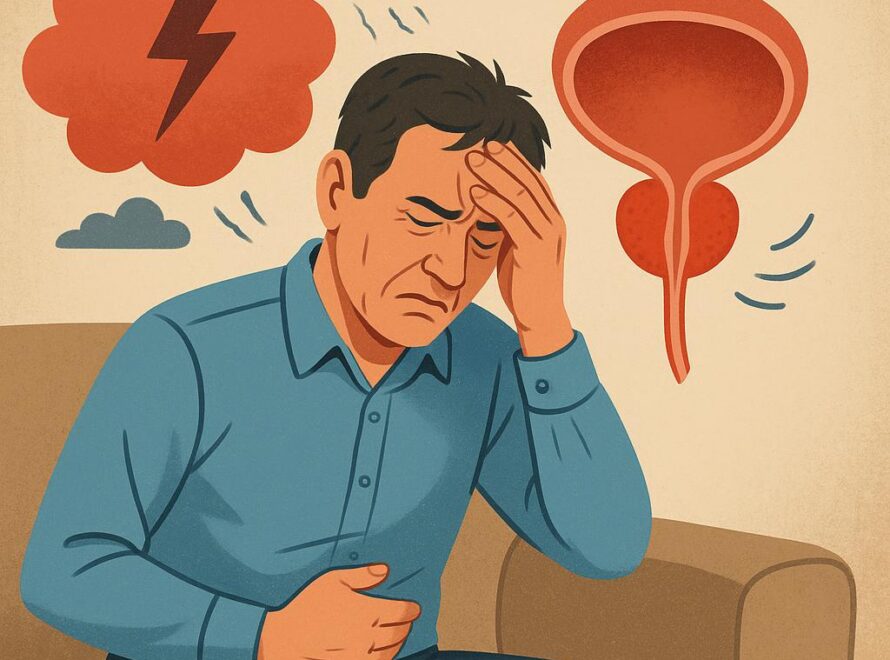
Erectile dysfunction (ED) is a common concern among men and can be influenced by multiple factors, including hormonal imbalances. Low testosterone levels are often associated with ED. A plant-based diet may impact erectile function positively by promoting cardiovascular health and reducing the risk of obesity and diabetes, common ED risk factors. However, the potential hormonal effects of such diets require further research to determine their role in managing or exacerbating ED.
Eating Disorders and Plant-Based Diets
The adoption of plant-based diets can sometimes overlap with the development of eating disorders in men. Restrictive eating patterns, often masked by the guise of health consciousness, can lead to nutritional deficiencies and contribute to disorders such as orthorexia. The pressure to maintain a particular body image can exacerbate these issues, especially if the diet lacks essential nutrients.
Healthcare providers should be vigilant in assessing the motivations behind dietary changes to ensure they are health-driven rather than manifestations of disordered eating behaviors. Addressing underlying psychological factors and ensuring nutritional adequacy are critical in such scenarios.
Promoting Balanced Diets for Optimal Health
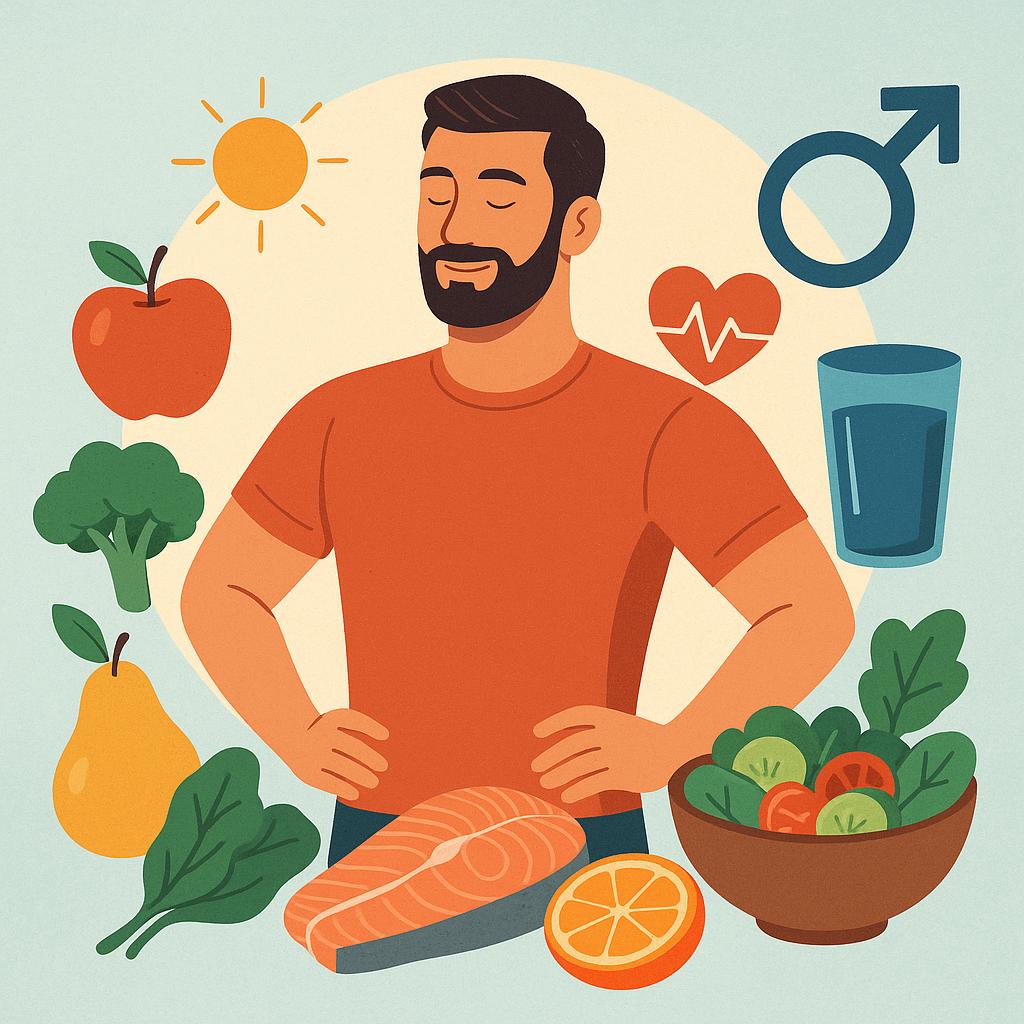
For men considering a plant-based diet, it is essential to focus on a balanced approach that includes a variety of foods to meet nutritional needs effectively. Consulting with healthcare professionals or dietitians can help tailor dietary plans to support hormonal health and prevent potential negative outcomes.
Men should ensure adequate intake of nutrients such as omega-3 fatty acids, iron, zinc, and vitamin B12 through foods like nuts, seeds, fortified cereals, and supplements if necessary. Regular monitoring of hormonal levels and overall health can help detect and address changes promptly.
References
National Institute of Diabetes and Digestive and Kidney Diseases. Erectile Dysfunction.
Mayo Clinic. Erectile Dysfunction.
Cleveland Clinic. Erectile Dysfunction.
Urology Care Foundation. Erectile Dysfunction.
American Urological Association. Erectile Dysfunction.