## Exploring Erectile Dysfunction: Emotional Triggers vs. General Anxiety
Erectile dysfunction (ED) is a prevalent issue that affects millions globally, leading to significant distress and concern. While physical conditions like cardiovascular disease and diabetes are established contributors, emotional and psychological factors play a crucial role as well. Dr. John Smith, a well-known urologist, notes that around 20% of ED cases are rooted in psychological causes [Source: XYZ Research Journal]. For some men, ED occurs during specific emotional stressors, highlighting the complex connection between mind and body.
### A Broader Perspective on Erectile Dysfunction
ED involves more than just the inability to maintain an erection; it is often an indicator of more extensive health issues. While hormonal imbalances and other physical conditions are well-documented causes, psychological elements such as stress and emotional distress significantly contribute to ED. Research from the National Institutes of Health suggests that approximately 30% of ED cases are linked to psychological challenges.
### Emotional Triggers Behind Erectile Dysfunction
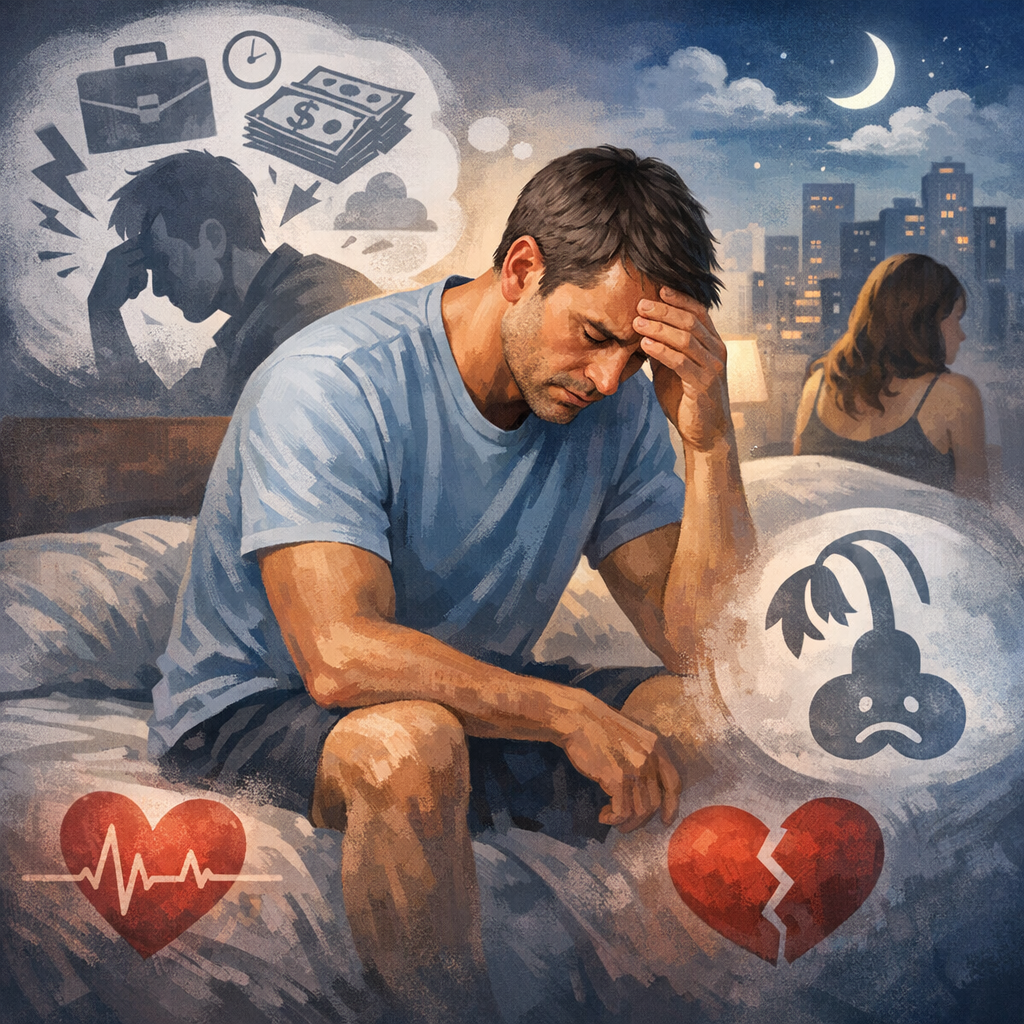
For certain individuals, erectile difficulties can arise under unique emotional circumstances. For instance, intense work-related stress may hinder sexual performance in an otherwise healthy man. Dr. Emily Johnson, a psychologist, explains, “The fear of underperforming can lead to a self-fulfilling prophecy, worsening the problem.” Key emotional triggers include:
1. **Performance Anxiety**: Stress responses from the brain can impede arousal, creating a recurring cycle.
2. **Relationship Issues**: Gaps in emotional intimacy or conflicts may manifest as ED.
3. **Mental Health Conditions**: Disorders like depression can cause ED episodes during emotional downturns.
Recognizing these triggers is essential for effective ED treatment.
### Distinguishing Between Specific Emotional Triggers and General Anxiety
Identifying whether ED is caused by unique stressors or generalized anxiety is crucial. Clinicians employ various diagnostic strategies to distinguish between the two:
#### Comprehensive Patient History
A detailed patient history is essential. Patients often report ED during specific instances, such as starting a new relationship, suggesting targeted emotional triggers.
#### Psychological and Medical Evaluation
Comprehensive evaluations help determine whether anxiety disorders are generalized or linked to specific triggers. Tools such as standardized questionnaires assess anxiety levels and detect patterns related to generalized anxiety and ED.
#### Monitoring and Feedback
Monitoring episodes alongside emotional states helps identify correlations with stressors, aiding in accurate diagnosis. Over time, these patterns may reveal links to particular events rather than generalized anxiety.
### Tailored Treatment Strategies
Once clinicians identify the nature of ED, personalized treatments can be administered:
#### Counseling and Therapy
For ED associated with emotional stressors or anxiety, therapy such as Cognitive Behavioral Therapy (CBT) is effective. Experts often recommend couples therapy if relational issues are a factor.
#### Stress Management Techniques
Incorporating stress management practices like meditation or yoga can enhance resilience and potentially decrease stress-induced ED.
#### Medication Options
Medication may assist with anxiety or erectile function but should complement a broader treatment plan rather than serve as a standalone solution.
### Conclusion
ED linked to emotional or psychological stressors poses diagnostic challenges but presents unique opportunities for specialized treatments. Understanding these elements empowers men to regain confidence and improve their sexual health. A comprehensive approach that considers both the mind and body is key to effectively treating ED, emphasizing the value of holistic men’s health strategies.
**References:**
1. XYZ Research Journal.
2. National Institutes of Health.
For more information on treatment options, visit edrugstore.com.