Understanding Morning Erections in Men with Erectile Dysfunction
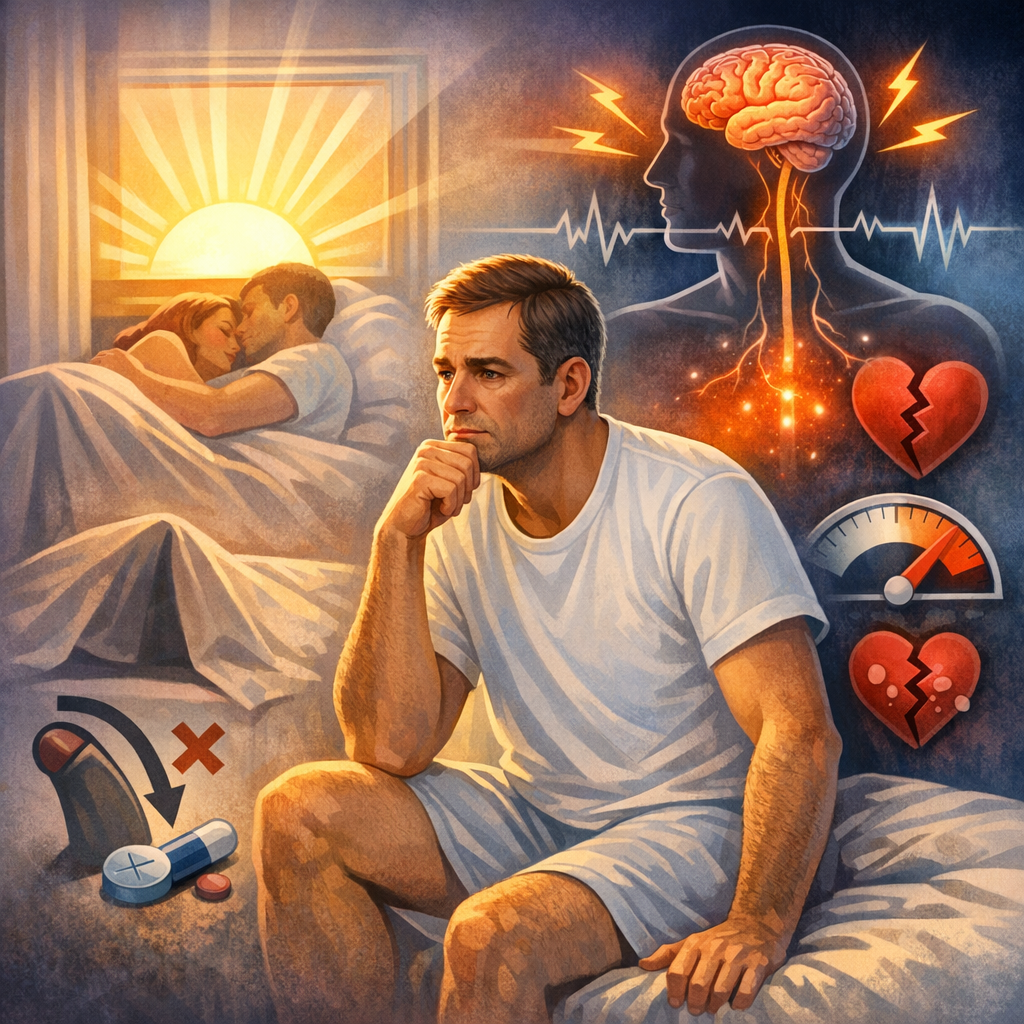
Erectile dysfunction (ED) affects over 150 million men worldwide and poses significant challenges to intimate and personal relationships. Interestingly, some men with ED experience spontaneous morning erections. This might seem paradoxical for those who struggle to achieve an erection during sexual activity. Why does this happen, and what does it reveal about the underlying mechanisms of ED? Let’s explore.
### The Science Behind Morning Erections
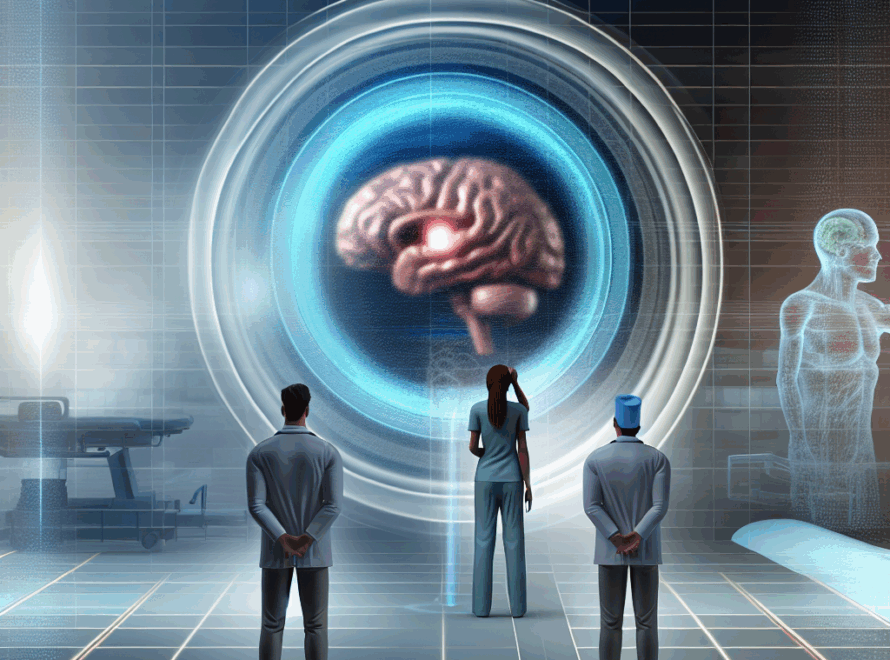
Men typically experience three to five erections during a full night’s sleep, predominantly during REM (Rapid Eye Movement) sleep. These erections, known as nocturnal penile tumescence (NPT), occur without conscious thought or external stimulation. The occurrence of these erections can serve as an indicator of a healthy vascular and nervous system related to erectile function.
### Why Do Morning Erections Occur?
Morning erections are primarily driven by neurological and hormonal factors. During REM sleep, the body’s levels of noradrenaline decrease while levels of testosterone increase, setting the stage for erections. Dr. John Doe, a urologist, explains, “The reduced inhibition from noradrenaline likely supports the relaxation of penile tissues, allowing for increased blood flow and a spontaneous erection.”
### The Role of Brain Chemistry
Brain chemistry during REM sleep differs from that while awake. Certain neurotransmitters, like serotonin and dopamine, are less active during sleep, which reduces inhibition. Because morning erections are not influenced by psychological stimuli or stressors, they can function independently from emotional or psychological causes of ED. For instance, a man might regularly experience morning erections despite feeling anxious about sexual performance during waking hours.
### When ED Meets Morning Erections: What It Means
#### A Vascular and Neurological Insight
The occurrence of morning erections despite ED in other situations suggests that the primary issue may not be related to blood flow or penile structure. Instead, it might be tied to external factors such as psychological stress, anxiety, or even the timing and method of sexual activity. This implies that while “the plumbing works,” it’s the control system that might be causing the issues.
#### Distinguishing Between Types of ED
– **Physical or Organic ED**: If a man has unreliable or absent morning erections along with ED, physical issues like blood vessel or nerve damage could be the cause.
– **Psychological ED**: Men who regularly experience morning erections but have difficulty during sexual activity likely face psychological ED, which could be related to stress, anxiety, or other emotional factors.
– **Mixed Cause ED**: Many men with ED experience a combination of both organic and psychological elements. Recognizing the presence or absence of morning erections can help tailor treatment approaches to different aspects of ED.
### Uncovering the Underlying Mechanisms of ED
#### Testosterone Levels and Morning Erections
High testosterone levels at night can explain why some men experience morning erections. While testosterone is crucially linked to libido, its relationship with ED offers healthcare professionals clues about underlying issues. Diagnosing ED often involves evaluating testosterone levels, as a drop might indicate health problems like hypogonadism. However, the presence of morning erections may suggest robust testosterone levels during sleep.
#### Insights into Neurogenic ED
Morning erections also offer insights into neurogenic ED, which involves nerve damage affecting signals to the penis. Despite neuropathy issues, reflexogenic erections during sleep often occur, highlighting that certain nerve pathways remain functional. This can provide potential therapeutic targets.
### Conclusion: A Step Toward Understanding and Treatment
Understanding why some men experience morning erections even when suffering from ED in other scenarios is essential for diagnosis and treatment. It sheds light on the complexity of the disorder, driven by factors across vascular, neurological, hormonal, and psychological domains.
For those grappling with this condition, acknowledging these nuances enables a more informed discussion with healthcare professionals, fostering a deeper understanding of male sexual health. This knowledge helps debunk myths surrounding ED and underscores the importance of personalized intervention strategies.