
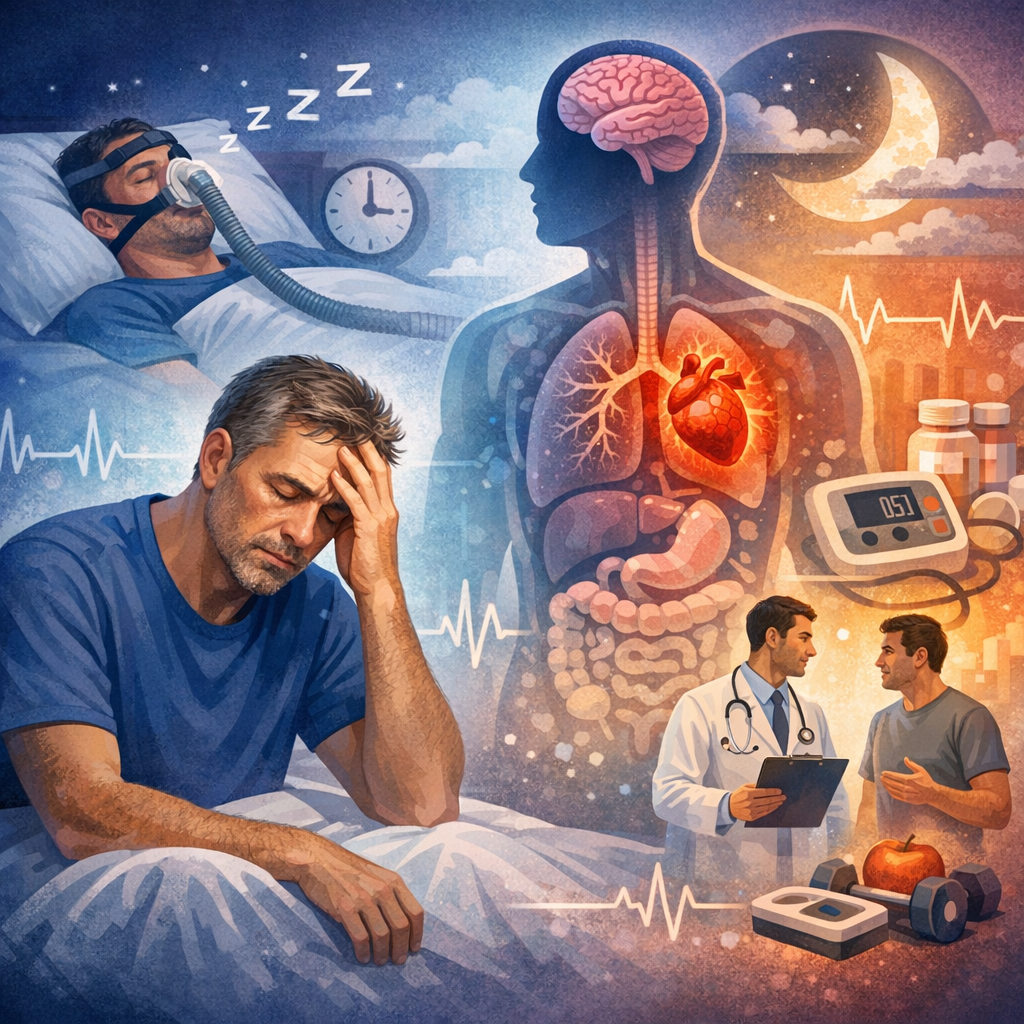
## Understanding Erectile Dysfunction: Sleep Apnea vs. Circadian Rhythm Disruptions
Erectile dysfunction (ED) affects millions of men globally, impacting their physical health, emotional well-being, and relationships. It can be a symptom of various health issues. Two significant contributors are sleep apnea and circadian rhythm disruptions. Differentiating between these causes is vital for clinicians to provide proper treatment and improve patient outcomes. In this article, we will explore how clinicians can distinguish between ED caused by sleep apnea and similar symptoms arising from circadian rhythm disruptions.
### The Complex Relationship Between Sleep and Erectile Function
#### The Link Between Sleep and Sexual Health
Erectile function is intricately tied to overall sleep health. Sleep allows the body to repair and rejuvenate, and essential processes during certain sleep stages help maintain sexual health. Sleep apnea and circadian rhythm disorders can negatively affect these processes, but they do so differently.
### Unraveling Sleep Apnea and Its Impact on ED
#### What Is Sleep Apnea?
Sleep apnea is a sleep disorder characterized by repeated interruptions in breathing during sleep. These interruptions, or apneas, can lead to fragmented sleep and reduced blood oxygen levels. The most common form, obstructive sleep apnea (OSA), occurs when throat muscles fail to keep the airway open.
#### How Does Sleep Apnea Contribute to ED?
1. **Effects of Hypoxia:** Episodes of low oxygen levels can impact circulatory health, reducing essential blood flow for an erection. According to Dr. John Silver, a sleep specialist, “Chronic hypoxia can have widespread effects, impacting vascular function which is essential for erections.”
2. **Hormonal Shifts:** Sleep apnea can alter hormone production, including testosterone, crucial for erectile function. A study found that over 50% of men with severe OSA have reduced testosterone levels.
3. **Sleep Fragmentation’s Impact:** Poor sleep leads to fatigue and decreased libido, indirectly affecting sexual performance.
### The Influence of Circadian Rhythm Disruptions on Erectile Dysfunction
#### Understanding Circadian Rhythm Disruptions
The circadian rhythm is the body’s natural 24-hour cycle regulating sleep-wake patterns and various physiological processes. Disruptions such as shift work or irregular sleep schedules can lead to sleep issues and affect sexual health.
#### How Do Circadian Rhythm Disruptions Lead to ED?
1. **Hormonal Imbalance:** Irregular sleep patterns can disrupt hormones like testosterone and cortisol, influencing libido and sexual performance. Shift workers often experience symptoms similar to jet lag, leading to ED.
2. **Consequences of Sleep Deprivation:** Lack of restorative sleep can lower energy levels and sexual desire.
3. **The Role of Mood Disorders:** Anxiety or depression due to poor sleep can contribute to ED. Dr. Lisa Norman, a psychologist, notes, “The relationship between mood and sexual health is bidirectional; disruptions in one can easily affect the other.”
### Distinguishing Between Sleep Apnea and Circadian Rhythm Disruptions
#### Patient History and Symptom Analysis
– **Indicators of Sleep Apnea:** Patients often report loud snoring, daytime sleepiness, morning headaches, or waking up gasping for air. A bed partner may notice apnea events.
– **Indicators of Circadian Rhythm Disruptions:** Patients might have difficulty sleeping at conventional times and experience misaligned sleeping patterns with their daily schedules.
#### Diagnostic Testing
– **Polysomnography (Sleep Study):** The gold standard for diagnosing sleep apnea, it monitors brain waves, blood oxygen levels, heart rate, and breathing during sleep.
– **Actigraphy Testing:** This non-invasive method monitors sleep-wake cycles and can help identify irregular sleep patterns indicative of circadian rhythm disturbances.
#### Hormonal Evaluations
Clinicians may assess testosterone levels, especially if circadian rhythm disruption is suspected. Low morning levels suggest a disrupted circadian rhythm.
### Treatment Approaches for Sleep-Related ED
#### Addressing Sleep Apnea-Induced ED
– **Continuous Positive Airway Pressure (CPAP):** This common treatment for sleep apnea helps keep airways open and enhances sleep quality, often improving ED symptoms with consistent use.
– **Lifestyle Modifications:** Weight loss, avoiding alcohol and sedatives, and sleeping on one’s side can reduce apnea events.
#### Tackling Circadian Rhythm-Induced ED
– **Adopting Sleep Hygiene Practices:** Establishing regular sleep-wake times, even on weekends, can help improve circadian alignment.
– **Using Light Therapy:** Exposure to bright light can assist in resetting the biological clock, especially for shift work or jet lag disruptions.
– **Melatonin Supplements:** Melatonin can aid in regulating sleep patterns.
### Conclusion: Pathways to Improved Patient Outcomes
While both sleep apnea and circadian rhythm disruptions can contribute to erectile dysfunction, each does so through different mechanisms, requiring distinct diagnostic and therapeutic approaches. By taking detailed patient histories, utilizing appropriate diagnostic tools, and employing targeted treatments, clinicians can better manage ED in patients with these sleep-related disorders, ultimately enhancing quality of life and health outcomes. Share your thoughts or experiences in the comments below, and let’s continue the conversation on how sleep influences sexual health.
### References
1. Silver, J. et al. Hypoxia and Its Effects on Sexual Function. Sleep Health Journal.
2. Journal of Clinical Endocrinology & Metabolism. Testosterone Levels and Obstructive Sleep Apnea.

