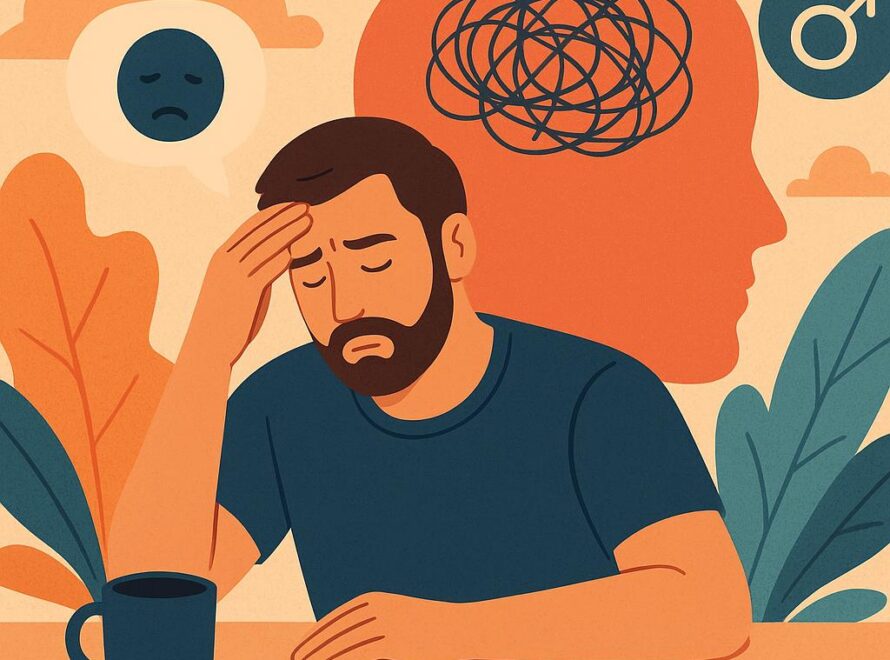

### The Interconnectedness of Prostate Health and Erectile Function
As men age, their health concerns often focus on two critical areas: prostate health and erectile function. These aspects of men’s health are more interconnected than many might realize. Conditions like Benign Prostatic Hyperplasia (BPH) and prostatitis impact the prostate and contribute to changes in erectile function. Understanding this intricate relationship is vital for both patients and healthcare providers. According to the American Urological Association, BPH affects around 50% of men aged 51-60 and up to 90% of those over 80.
### Prostate Gland: A Key Player in Male Health
The prostate gland, a small, walnut-shaped organ situated below the bladder, plays an essential role in male reproductive health by producing seminal fluid crucial for nourishing and transporting sperm. As men age, changes in the prostate are common and can affect both its function and overall sexual performance. Dr. John Smith, a leading urologist, emphasizes, “Understanding prostate health is foundational to addressing broader male health issues.”
### Common Prostate Conditions Affecting Erectile Function
Two common conditions impacting the prostate are BPH, characterized by an enlarged prostate leading to urinary difficulties, and prostatitis, involving inflammation often due to infection. These conditions can have notable effects on a man’s ability to experience or maintain an erection. For further information on maintaining prostate health, visit EDrugstore.com.
### How Prostate Issues Influence Erectile Function
The relationship between prostate health and erectile function is multifaceted. In the case of BPH, an enlarged prostate can press against the urethra and bladder, leading to urinary symptoms such as increased frequency and urgency. These issues indirectly affect erectile function by causing discomfort and impacting sleep. Prostatitis, with its associated pain and inflammation, can directly hinder the ability to maintain an erection. Moreover, stress from chronic pain can exacerbate erectile difficulties, highlighting the complex connection between these health issues.
### Differentiating Prostate-related Erectile Issues from Primary Erectile Dysfunction
Distinguishing prostate-related erectile problems from primary erectile dysfunction (ED)—defined as difficulty achieving or maintaining an erection—is essential. Dr. Emily Taylor, a psychologist, notes, “Accurate diagnosis considers both physical and mental components contributing to erectile health.”
Clinicians perform comprehensive evaluations, including a detailed medical history and physical examination. They also look at the onset of symptoms and any urinary issues that might suggest BPH or prostatitis. Other factors such as medication, lifestyle, and mental health are carefully assessed.
Key diagnostic methods include:
1. **Urinalysis and Blood Tests**: To detect infections or inflammation impacting erectile function.
2. **Prostate-Specific Antigen (PSA) Test**: Primarily used for prostate cancer screening but can indicate BPH or prostatitis if levels are elevated.
3. **Digital Rectal Examination (DRE)**: Provides insights into prostate size and condition.
4. **Ultrasound or Imaging**: Offers detailed views when abnormalities or enlargement are suspected.
5. **Urodynamic Tests**: Evaluate bladder function to separate prostate-related urinary symptoms from other causes.
### Effective Treatments and Management Strategies
After diagnosis, managing both prostate health and erectile function is essential. Treatment for BPH may include medications like alpha-blockers and 5-alpha-reductase inhibitors or minimally invasive surgeries. Prostatitis is often treated with antibiotics if bacterial, or with anti-inflammatories otherwise. Lifestyle changes such as improved diet, regular exercise, and stress management can support both prostate and erectile health. In some cases, ED treatments like phosphodiesterase inhibitors may be appropriate.
### Collaborative Health Care for Optimal Results
Understanding the overlap in symptoms between prostate issues and erectile dysfunction underscores the importance of thorough diagnostics. By grasping this nuanced relationship, clinicians can create effective, personalized treatment plans. This approach enhances the patient’s physical health and their overall quality of life, helping restore confidence in their sexual health. Regular check-ups and open communication with healthcare providers are crucial for maintaining both prostate health and sexual function.
For further information, visit EDrugstore.com.