How Emotional Safety Changes Arousal Speed
Why Emotional Safety Is Essential in Intimacy
In romantic relationships, we often prioritize physical chemistry and attraction. However, growing research and clinical insights underscore something far more fundamental: emotional safety plays a pivotal role in determining how quickly and fully partners become sexually aroused. While therapists often discuss emotional safety behind closed doors, it’s rarely highlighted in conversations about sexual fulfillment. Yet, it may be the missing link that transforms connection into something truly satisfying.
As Dr. Emily Nagoski, sex educator and author of Come As You Are, puts it: “Your brain is your biggest sex organ. If your brain doesn’t feel safe, your body won’t either.” Without emotional security, natural desire can be blocked by stress, fear, or apprehension. Recognizing how our emotional experiences interact with our biology is key to developing deeper, more meaningful intimacy.
Understanding Emotional Safety in Relationships
Emotional safety means being able to share your fears, needs, and feelings without fearing judgment, rejection, or ridicule. It’s the deep, internal sense of being truly seen, heard, and valued for who you are.
Imagine a partner who feels embarrassed to ask for more affection. In an emotionally unsafe relationship, they may hold back, worrying about being seen as needy. In contrast, in a relationship where emotional safety thrives, they can share openly, knowing their vulnerability won’t be met with criticism but with care and empathy.
When emotional safety is lacking, individuals often become emotionally withdrawn or hyper-alert, constantly watching for signs of abandonment. The Gottman Institute identifies emotional attunement and safety as key predictors of lasting, healthy relationships. Without these qualities, emotional and physical intimacy can be difficult to sustain or even initiate.
The Science of Arousal: What Happens in the Body
To see how emotional safety impacts arousal, it’s important to look at how desire works biologically. Sexual arousal is primarily governed by the parasympathetic nervous system, which operates during states of calm, relaxation, and connection.
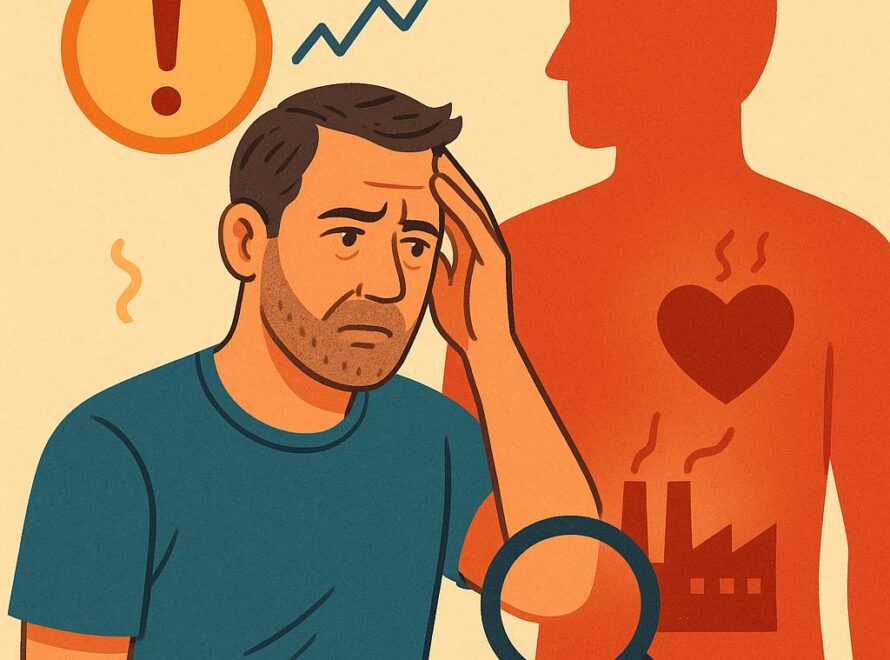
By contrast, emotional danger activates the sympathetic nervous system — the “fight or flight” response. In this state, your body prepares for survival, not pleasure. Energy is diverted to muscles instead of erogenous zones, and stress hormones like cortisol rise, inhibiting libido.
A 2019 study in the Journal of Sexual Medicine revealed a strong link between anxiety and reduced arousal, both physically and psychologically. In short, when emotional distress kicks in, desire often shuts down.
Lowering Stress Leads to Easier Intimacy
One of emotional safety’s most powerful benefits is its ability to calm anxiety and reduce stress, creating a more receptive state for intimacy. When a partner listens attentively, validates your emotions, and acts with kindness, your body recognizes that it’s safe to let down its guard.
This physiological shift is critical. Chronic stress, according to the American Psychological Association, not only diminishes sex drive but also disrupts hormones, creates dryness, and amplifies performance worries — all of which can slow or even halt sexual arousal.
Consider these two contrasting scenarios:
– In one, your partner dismisses your struggle after a hard day. You feel alone, tense, and distant — unlikely to want intimacy.
– In the other, your partner makes eye contact, offers a hug, and empathizes with your feelings. You feel supported — physically and emotionally more receptive.
In emotional safety, your body knows it’s okay to relax, and intimacy becomes more accessible.
How Emotional Safety Speeds Up Arousal
For many individuals — especially women and those with a history of trauma — sexual desire doesn’t emerge spontaneously. Instead, it often arises in response to emotional closeness, a process known as “responsive desire.”
A 2021 meta-analysis in the Archives of Sexual Behavior confirmed this connection, finding that emotional intimacy led to earlier onset of arousal and more satisfying sexual experiences across all genders.
Conversely, emotionally distant or critical dynamics can act as internal inhibitors, slowing arousal regardless of physical attraction. These emotional roadblocks prevent the body from signaling readiness, making physical intimacy feel delayed or forced.
Simple Daily Habits to Foster Emotional Safety
Building emotionally safe, sexually fulfilling relationships isn’t about grand romantic gestures — it’s the daily efforts that make the biggest impact. Here are some practices couples can use to deepen their sense of connection:
– Active Listening: Give your partner your full attention. Maintain eye contact and respond thoughtfully to show you’re engaged.
– Genuine Affirmation: Instead of vague compliments, share specific, heartfelt praise. “I appreciate how supportive you’ve been this week” means much more than “You’re nice.”
– Timely Repairs: After an argument, take responsibility and repair quickly. Even a short apology like, “I see how I hurt you — I’m truly sorry,” can rebuild trust.
– Emotional Presence: Whether celebrating good news or facing bad days, consistently turning toward your partner reinforces emotional intimacy.
Open conversations about sex matter too. Couples who talk openly about preferences, fantasies, past experiences, and challenges often report better sexual satisfaction. Discussing topics like low desire, trauma history, or even ideal positions can lead to more meaningful connection and faster arousal.
When stress or anxiety impacts arousal significantly, working with a counselor or attending couples therapy can help unpack emotional barriers. Additionally, resources such as EDrugstore.com offer insights into both emotional and physiological aspects of sexual health — especially useful for men experiencing performance-related concerns such as erectile dysfunction.
Why Emotional Safety Is a Necessity — Not a Luxury
Many believe that great sex is all about spontaneity or physical chemistry, but long-term sexual vitality often depends on psychological security. Emotional safety isn’t just a bonus — it’s foundational.
For individuals managing shame, low self-esteem, or past trauma, cultivating mutual trust can be the key to unlocking desire. Dr. Sue Johnson, founder of Emotionally Focused Therapy (EFT), explains, “The best sex comes with deep emotional connection because it creates a feedback loop: you feel emotionally close, which increases arousal, which deepens emotional closeness.”
Neuroscience backs this up. Studies show that emotionally supportive environments help regulate the nervous system, creating the calm and openness required for sexual desire.
The Real Beginning of Arousal: Emotional Connection
While movies may suggest that arousal begins with a kiss or a seductive touch, in reality, it often starts in subtler forms: a gentle voice, a non-judgmental look, a shared laugh, or a moment of compassion. Emotional intimacy lays the groundwork for physical closeness.
Couples who want to improve their sex lives would benefit from focusing on building trust before tackling technique. Creating emotional connection before bedroom intimacy can be a powerful way to drive desire and deepen love.
For those seeking ways to elevate their emotional and sexual well-being, counseling and trusted health resources like EDrugstore.com can offer comprehensive support for both emotional and physical concerns, including managing stress and tackling sexual performance issues.
Ultimately, fulfilling intimacy doesn’t start in the body — it starts in the heart. A heart that feels heard, safe, and deeply valued is far more open to experiencing connection — and desire.
Resources and References
– Nagoski, E. (2015). Come As You Are. Simon & Schuster.
– American Psychological Association (2020). Stress and health: How emotions affect your body.
– Johnson, S. (2011). Hold Me Tight: Seven Conversations for a Lifetime of Love. Little, Brown Spark.
– Journal of Sexual Medicine (2019). “Anxiety and Arousal: Clinical Findings Across Multiple Populations.”
– Archives of Sexual Behavior (2021). “Emotional Intimacy and Sexual Satisfaction in Romantic Relationships.”
– Gottman Institute (2022). “The Role of Emotional Safety in Healthy Relationships.”
For trusted support and treatment options, especially related to emotional stress and sexual health, visit EDrugstore.com.