
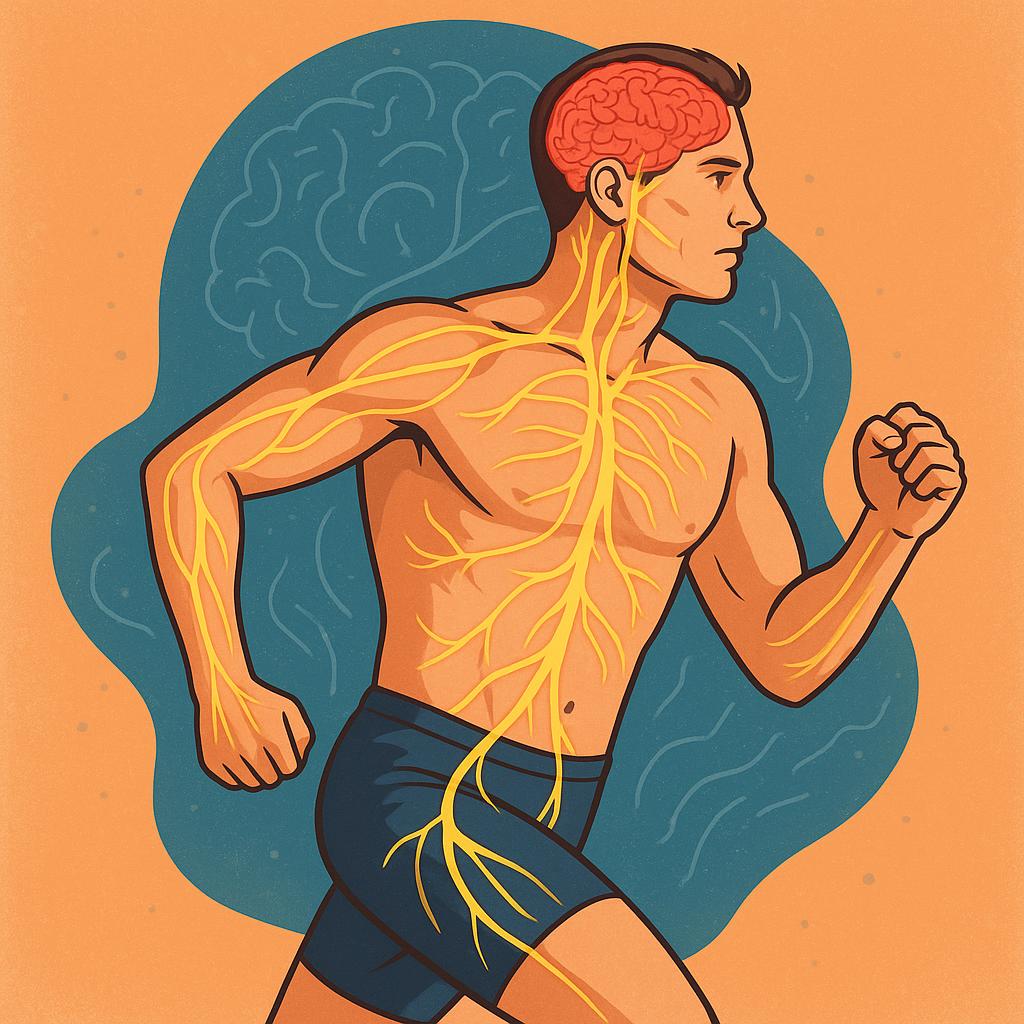
Understanding the Nervous System’s Role in Physical Endurance
The nervous system plays a crucial role in regulating the body’s ability to maintain physical endurance. While many might focus on cardiovascular fitness or muscle strength alone, the nervous system quietly orchestrates numerous bodily functions that collectively determine stamina and endurance.
How the Nervous System Influences Endurance
The nervous system is responsible for transmitting signals between the brain and other parts of the body. It regulates muscle contractions, heart rate, and even respiratory functions—all of which are vital during physical activities. A well-functioning nervous system ensures that these processes occur seamlessly, enabling sustained physical performance.
Neurological Pathways and Muscle Control
Muscle control during exercise is heavily reliant on neurological pathways. Motor neurons transmit signals from the brain to the muscles, coordinating contractions. When these pathways operate efficiently, they help maintain physical endurance. However, disruptions in these pathways can lead to fatigue and impaired performance.
Links to Men’s Health and Erectile Dysfunction
Interestingly, the nervous system’s impact isn’t limited to physical endurance but extends to other areas of men’s health, including erectile dysfunction (ED). The same pathways involved in muscle coordination and stamina also play a role in sexual function. ED can sometimes be associated with issues in nerve signaling, blood flow, or hormonal imbalances.
For example, the autonomic nervous system, which controls involuntary bodily functions, is responsible for managing an erection. A dysfunction within this system may contribute to ED. Additionally, psychological factors affecting the nervous system, like stress or anxiety, can further complicate erectile problems.
Evaluating Symptoms and Seeking Care
Recognizing symptoms of potential nervous system issues can be the first step toward addressing both endurance and erectile dysfunction concerns. Symptoms may include rapid fatigue, difficulty maintaining stamina, or changes in sexual health. To navigate these challenges, it’s advisable to consult with healthcare professionals who can offer guidance tailored to individual health needs.
Through telemedicine services, individuals can now access specialized care efficiently. Modern urology and men’s health practitioners often evaluate both physical and neurological factors when diagnosing issues related to endurance and erectile dysfunction.
Conclusion
Your nervous system silently orchestrates essential functions that dictate physical endurance. Its influence extends to various aspects of men’s health, including erectile dysfunction. Understanding this connection and recognizing potential symptoms early can help in managing overall health more effectively.
References
National Institute of Diabetes and Digestive and Kidney Diseases. Erectile Dysfunction.
Mayo Clinic. Erectile Dysfunction.
Cleveland Clinic. Erectile Dysfunction.
Urology Care Foundation. Erectile Dysfunction.
American Urological Association. Erectile Dysfunction.