
SEO_TITLE:
Understanding Biofeedback in PE Rehabilitation
SEO_DESCRIPTION:
Discover how biofeedback plays an essential role in tracking progress during penile rehabilitation for erectile dysfunction, enhancing recovery outcomes.
FOCUS_KEYPHRASE:
Biofeedback in PE rehabilitation
SLUG:
biofeedback-pe-rehabilitation
SOCIAL_TITLE:
Biofeedback’s Role in PE Rehabilitation
SOCIAL_DESCRIPTION:
Learn about the significance of biofeedback in tracking progress during penile rehabilitation, aiding in erectile dysfunction management and recovery.
WORDPRESS_TITLE:
Understanding the Role of Biofeedback in Tracking Progress During PE Rehabilitation
ARTICLE_HTML:
Introduction to Biofeedback in PE Rehabilitation
Erectile dysfunction (ED) is a prevalent condition affecting many men across the globe. Understanding and managing this condition requires a multifaceted approach, including physical, psychological, and lifestyle interventions. One emerging tool in managing and tracking progress during penile rehabilitation is biofeedback. This technology can play a crucial role in helping individuals monitor their improvements over time, acting as a guiding compass during the rehabilitation journey.
What is Biofeedback?
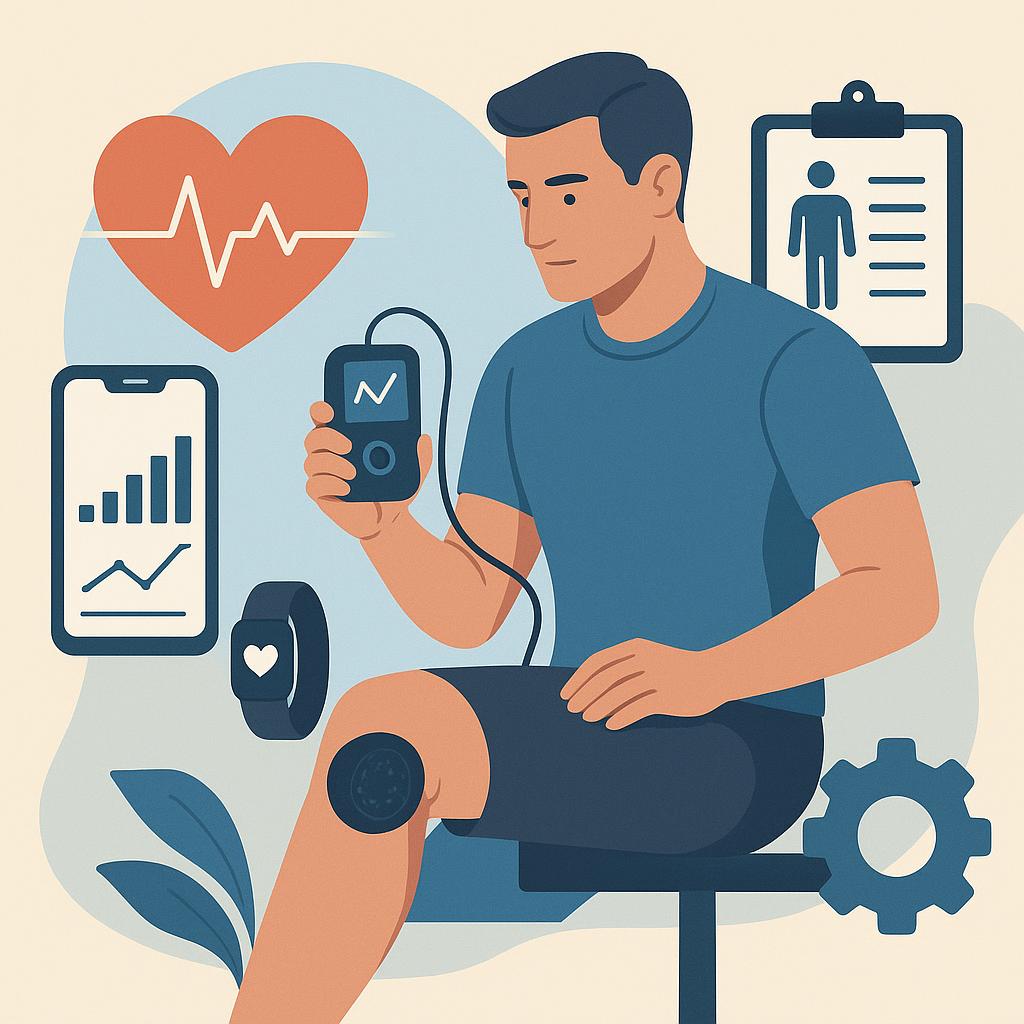
Biofeedback is a therapeutic technique that involves using electronic monitoring devices to convey information about physiological activities. It essentially provides real-time feedback on bodily functions such as heart rate, muscle tension, and other vital signs. By heightening awareness of these processes, individuals can learn to manage them better, leading to improved health outcomes.
The Role of Biofeedback in PE Rehabilitation
Biofeedback in the context of penile rehabilitation assists patients in understanding and validating their progress. Following a personalized treatment plan prescribed by healthcare professionals, patients can use biofeedback technology to monitor changes in physiological responses associated with erectile function. This feedback offers a tangible measurement of progress that can be encouraging and motivating.
Enhancing Treatment Outcomes
During PE rehabilitation, biofeedback can aid in enhancing outcomes by providing insights into physical and psychological responses. For instance, it allows patients to become more aware of muscle control in the pelvic region, promoting strengthening exercises that are often a part of rehabilitation for erectile dysfunction. Consequently, improved muscle control may contribute to better erectile function.
Psychological Impact
The psychological benefits of biofeedback are significant as well. Patients who perceive improvements in their physiological responses are often less anxious and more optimistic about their recovery process. This increased confidence can further reduce stress-related factors that may contribute to erectile dysfunction, creating a positive feedback loop that enhances overall treatment effectiveness.
Incorporating Biofeedback into Telemedicine
The integration of biofeedback into telemedicine platforms is another promising avenue for broadening access to penile rehabilitation. Telemedicine enables remote monitoring, allowing biofeedback data to be shared with healthcare providers in real-time. This facilitates timely interventions and adjustments to treatment plans, making the rehabilitation process more dynamic and personalized.
Conclusion
Biofeedback offers a valuable tool in tracking and enhancing progress during penile rehabilitation for erectile dysfunction. By providing both healthcare professionals and patients with precise physiological data, it encourages engagement and adherence to rehabilitation strategies. Coupled with telemedicine, biofeedback presents a modern approach to addressing ED by combining technology with personalized medical care.
References
National Institute of Diabetes and Digestive and Kidney Diseases. Erectile Dysfunction.
Mayo Clinic. Erectile Dysfunction.
Cleveland Clinic. Erectile Dysfunction.
American Urological Association. Erectile Dysfunction.

