
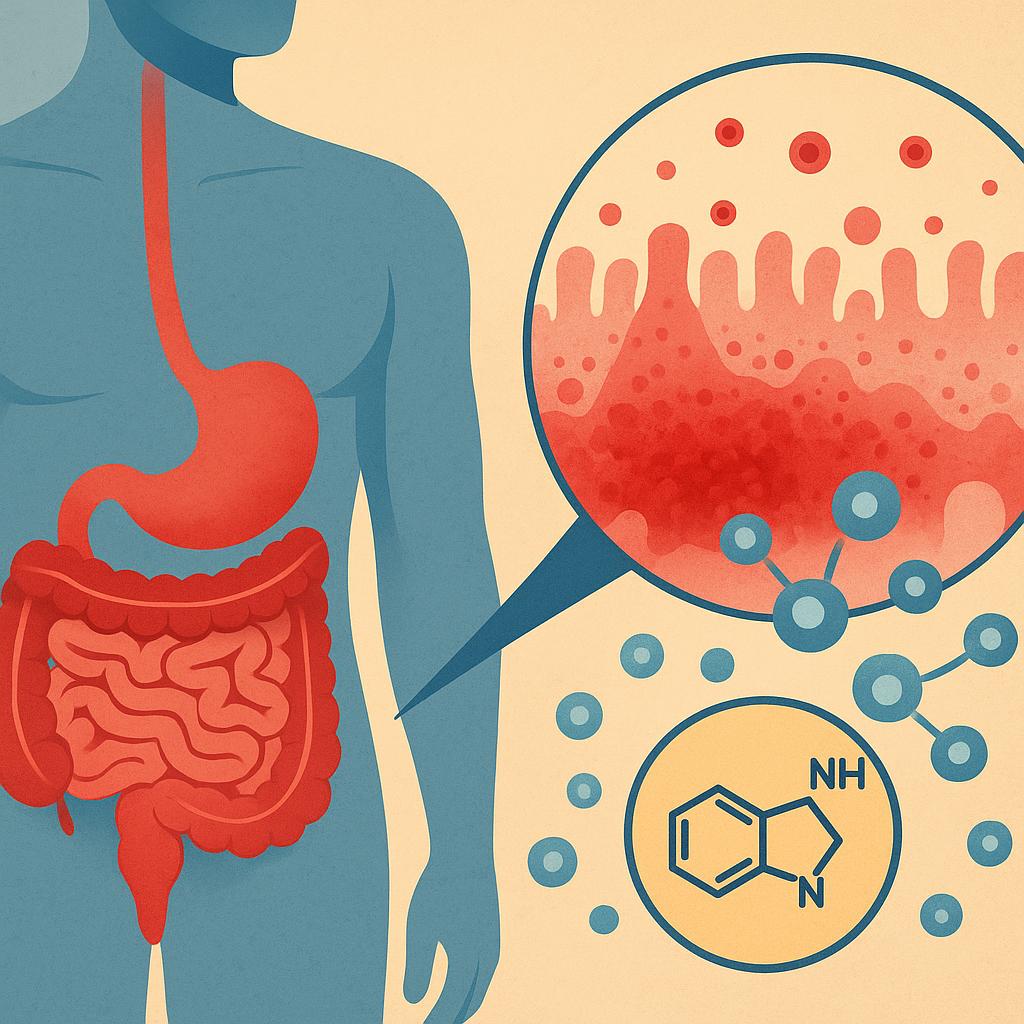
Understanding How Inflammation Affects Serotonin Levels in Gut-Related Disorders
Understanding Inflammation and Serotonin
Inflammation and serotonin in gut disorders play crucial roles in human health, including men’s health concerns like erectile dysfunction. Research suggests that an imbalance in serotonin levels within the gastrointestinal tract can influence various conditions, highlighting the need for a deeper understanding of this relationship.
The Role of Inflammation in the Gut
Inflammation is the body’s natural response to injury or infection. However, chronic inflammation can adversely affect gut health, leading to disorders such as irritable bowel syndrome (IBS) and inflammatory bowel disease (IBD). These conditions often see alterations in serotonin levels, which is a neurotransmitter essential for regulating mood and digestion.
The gut-brain axis, a complex communication network between the gut and brain, can be disrupted by inflammation. This disruption influences serotonin production and release, potentially exacerbating symptoms of both gastrointestinal and mental health disorders.
Serotonin’s Impact on Gut Disorders
Serotonin is predominantly found in the gut, where it regulates bowel movements and function. Inflammation in the gut can alter serotonin metabolism, leading to symptoms such as diarrhea, constipation, and abdominal pain, commonly seen in gut disorders. These symptoms can significantly impact an individual’s quality of life and may extend to affect sexual health.
The connection between serotonin imbalance and erectile dysfunction underscores the importance of investigating gut health issues for patients experiencing sexual health concerns. Disruptions in serotonin levels can contribute to mood disorders like depression and anxiety, which are known risk factors for erectile dysfunction.
Potential Pathways and Treatment Considerations
Understanding the pathways through which inflammation influences serotonin in the gut could pave the way for better management of gut disorders and associated health issues. Anti-inflammatory treatments and medications aiming to balance serotonin levels may offer relief for symptoms and improve overall gut health.
Healthcare providers may consider evaluating and addressing inflammation and serotonin imbalances in patients with persistent erectile dysfunction. A holistic approach that includes assessing gastrointestinal health, hormonal balance, and psychological factors is often recommended. This thorough evaluation aids in identifying underlying causes and provides pathways for effective treatment plans.
Implications for Men’s Health
Men’s health issues, including erectile dysfunction, are complex and multifactorial. The link between gut health, inflammation, and serotonin offers a novel perspective on addressing these issues. By recognizing and treating underlying gut disorders, improvements in both gastrointestinal and sexual health may be achieved, enhancing overall wellbeing.
Telemedicine provides an accessible platform for men to discuss these sensitive health concerns safely and privately. This approach ensures that individuals receive tailored healthcare advice and interventions that consider all aspects of their health.
References
National Institute of Diabetes and Digestive and Kidney Diseases. Gastrointestinal Inflammation.
Mayo Clinic. Serotonin and Its Impact on Health.
Cleveland Clinic. Understanding Inflammation and Its Effects on Health.
Urology Care Foundation. Erectile Dysfunction.
American Urological Association. Erectile Dysfunction.