
Are You Wired for Speed? Here’s What the Nervous System Reveals
Speed is one of the most admired traits in sports and physical performance. Whether it’s the lightning-fast dash of a sprinter or the split-second reflexes of a goalkeeper, speed often steals the spotlight. But why do some people seem naturally quicker than others? The secret lies in your body’s internal wiring — specifically, your nervous system. In this article, we’ll explore how the nervous system impacts performance in physical education and answer the big question: Are you truly wired for speed?
The Nervous System: Your Body’s Command Center
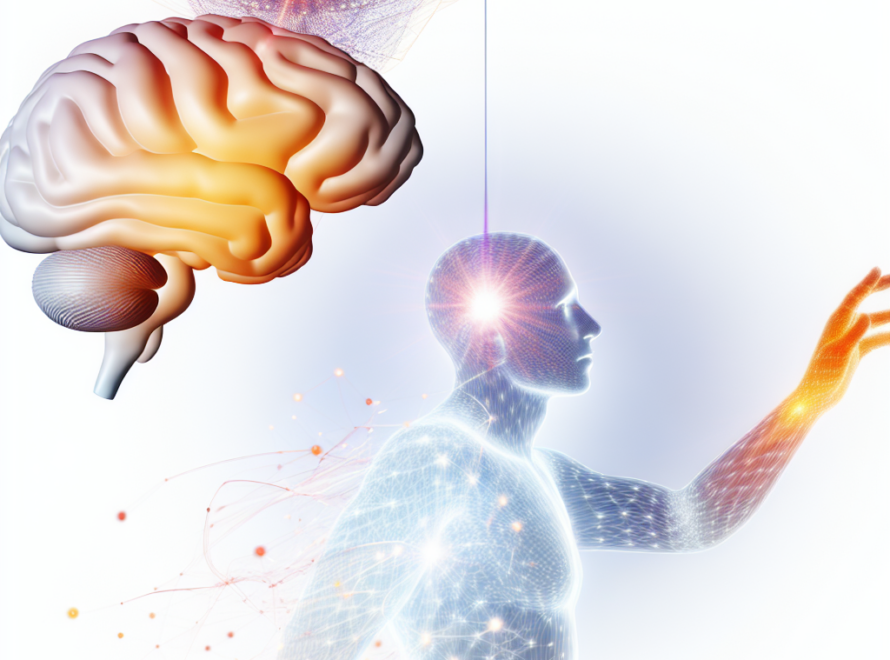
The nervous system serves as your body’s command and communication network. It consists of two major parts: the central nervous system (CNS), which includes the brain and spinal cord, and the peripheral nervous system, which connects your brain to muscles throughout your body.
When you initiate movement, your brain sends rapid electrical signals through the spinal cord and nerves to direct your muscles. In speed-based sports, these signals must travel extremely fast to support instantaneous reactions.
Think of it like internet bandwidth—the faster your “Wi-Fi” (your nervous system), the quicker your body responds. Scientific research has found that faster neural transmission can significantly improve sprint times and reaction speeds (Komi, 2003).
Expert insight: “Speed starts in the brain. The faster your nervous system can send signals to your muscles, the quicker you move,” says Dr. William Sands, a renowned sports and exercise science expert.
Neuromuscular Efficiency: The Key to Movement Speed
Speed is not just about strong muscles — it starts in the brain. Neuromuscular efficiency refers to how quickly and accurately your brain communicates with your muscles. The better this connection, the more explosive your movements can be.
For instance, when a sprinter hears the starting pistol, their brain immediately fires impulses that activate key leg muscles. Elite athletes process and react to these cues in less than 0.15 seconds (NSCA, 2016).
People who are “naturally fast” often have a heightened level of neuromuscular efficiency. Their muscles are not only strong but are activated with lightning-quick signals through a well-developed nervous system.
Let’s break it down with an example: A boxer spots a punch coming their way. Thanks to an efficient brain-muscle connection, their body processes the threat, prepares a movement, and activates muscles within milliseconds — enough to dodge and counter effectively.
Muscle Fiber Types: Are You Built for Speed?
Another crucial factor in determining speed is the type of muscle fibers you possess. There are two primary types:
– Slow-Twitch (Type I): Work well for endurance activities; they’re fatigue-resistant but slower to contract.
– Fast-Twitch (Type II): Contract quickly and powerfully, making them ideal for sprinting, jumping, and other explosive movements.
Athletes with a higher percentage of fast-twitch muscle fibers have a distinct advantage in speed-related sports. These fibers are stimulated by rapid nervous impulses and are designed for quick bursts of movement. According to the Journal of Applied Physiology, elite sprinters may have up to 75% fast-twitch fibers in specific muscle groups (Saltin & Gollnick, 1983).
What this means: While genetics play a role in your muscle composition, you can still boost your speed through purposeful training that targets these fast-response fibers.
Can You Train Your Nervous System to Be Faster?
Even if you weren’t born with the perfect genetic blueprint for speed, you can still optimize your nervous system through training. Agility drills, plyometrics, and reaction exercises in physical education classes are excellent ways to enhance brain-muscle coordination.
Here’s how to train smarter:
– Agility drills, such as ladder footwork, improve your nervous system’s speed in processing stimuli and executing movements.
– Resistance training boosts motor unit recruitment, allowing you to activate more muscle fibers rapidly.
– Reaction-based drills or games increase your brain’s ability to evaluate sensory input and respond with appropriate movement.
For example, consider a cone sprint drill. Responding to a coach’s whistle or directional call trains the nervous system to send rapid, accurate signals. Over time, this process becomes more efficient, translating into improved athletic performance.
Supplements that support nerve health — including omega-3 fatty acids and magnesium — can aid mental sharpness during training. Men seeking cognitive and athletic enhancements can find professionally formulated products at edrugstore.com.
The Role of the Central Nervous System in Recovery
Just like your muscles, your nervous system needs time to recover after intense training. When the central nervous system (CNS) is overstressed, it can lead to CNS fatigue, resulting in slower reaction times and increased injury risk.
To keep your CNS operating efficiently:
– Sleep: Aim for 7 to 9 hours per night to recharge your neurotransmitters.
– Hydration: Maintaining proper hydration ensures optimal nerve signal transmission.
– Nutrition: Nutrients like vitamins B6 and B12, magnesium, and healthy fats (especially DHA) contribute to nervous system health (NIH, 2022).
Expert tip: “Without sufficient downtime, athletes risk CNS fatigue — which leads to slower reflexes and higher injury risk,” explains strength coach Eric Cressey.
For instance, a soccer player may notice sluggish movement and slower reactions during practice the day after poor sleep. This is a direct result of a fatigued nervous system that hasn’t fully recovered.
Nature vs. Nurture: Are You Born for Speed?
So, are you naturally wired for speed? The reality combines both nature and nurture:
– Genetics influence how many fast-twitch fibers you have and how responsive your nervous system is from birth.
– But training plays a huge role. Even without ideal genetics, most athletes can significantly enhance their neuromuscular abilities through consistent training.
The important takeaway: You can train to become faster by improving your brain-muscle coordination and strengthening your nervous system through targeted exercises. Just like a finely tuned engine, your nervous system performs better when it’s trained smartly and maintained well.
Conclusion: Speed Begins in the Brain
Speed is much more than muscle — it’s the result of precise, lightning-fast communication between your brain and body. The more effectively your nervous system operates, the quicker and more responsive you’ll become in both sports and daily life.
Whether you’re sprinting down a track, weaving past defenders in a game, or reacting to a ball at high speed, it’s your nervous system leading the charge — not just your muscles.
Improve your performance and boost your speed by incorporating agility drills, neuromuscular workouts, and smart recovery strategies into your routine. When you train your brain alongside your body, the results can be game-changing.
References
– Komi, P. V. (2003). Strength and Power in Sport (2nd ed.). Blackwell Science Ltd.
– National Strength and Conditioning Association (NSCA). “Explosive Performance and the Nervous System.” Journal of Strength & Conditioning.
– Saltin, B., & Gollnick, P. D. (1983). Skeletal Muscle Adaptability: Significance for Metabolism and Performance. In Handbook of Physiology.
– National Institutes of Health. (2022). Vitamins and Minerals: What You Should Know. nih.gov
– edrugstore.com. (2024). Performance Supplements for Men’s Health. Available at https://www.edrugstore.com/