Understanding Erectile Dysfunction: Stress vs. Vascular Causes
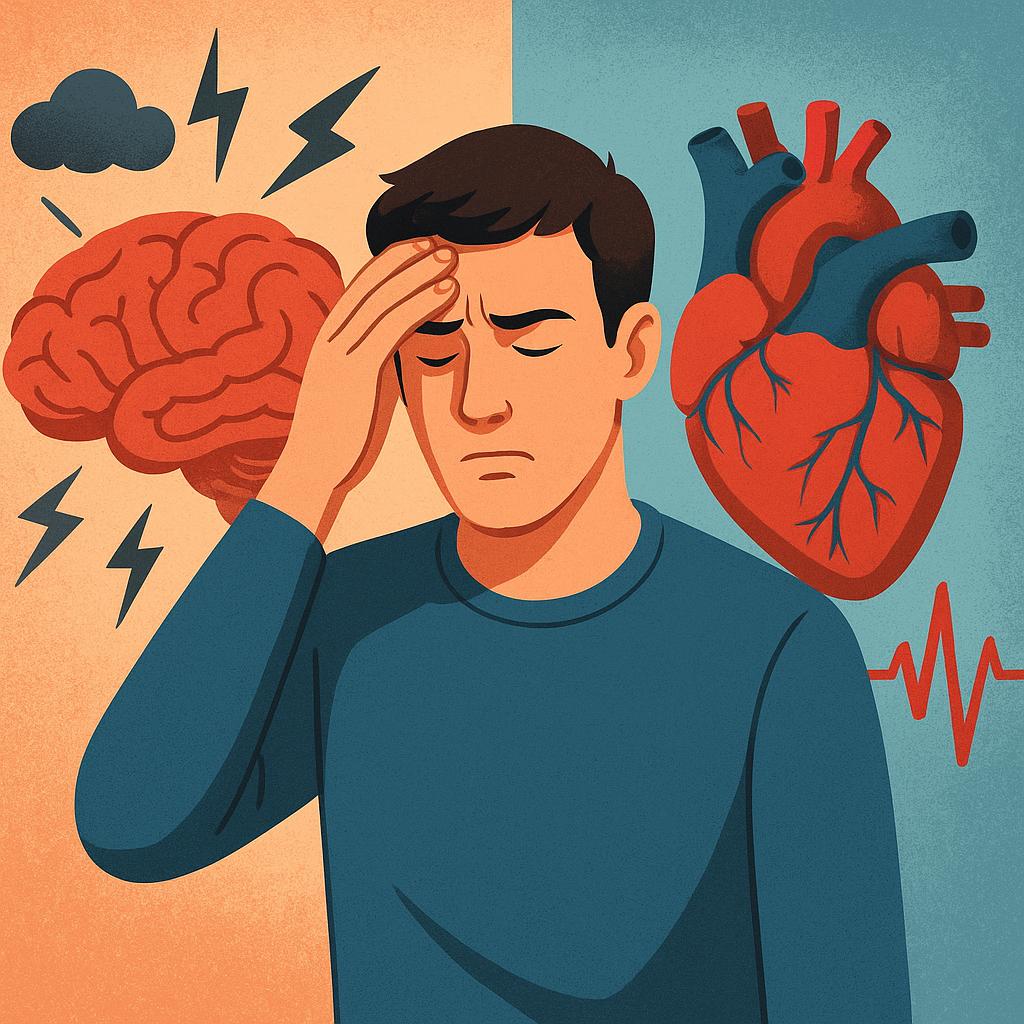
Erectile dysfunction (ED) is a common condition that affects men of all ages. It can stem from various underlying causes, with stress-related and vascular issues being among the most prevalent. Both stress-induced ED and vascular erectile dysfunction present differently and require distinct approaches to management. Understanding these differences is key to improving outcomes for affected individuals.
Causes and Characteristics of Stress-Related ED
Stress-related erectile dysfunction is often linked to psychological factors such as anxiety, depression, or relationship issues. Stress can trigger the body’s “fight or flight” response, leading to changes in hormones and blood flow that affect erectile function. Although distressing, stress-induced ED can be temporary and may improve with lifestyle changes and stress management techniques.
Recognizing Stress-Induced Symptoms
Men with stress-related ED may notice that their symptoms fluctuate with their stress levels. Common signs include difficulty maintaining an erection during periods of emotional stress or anxiety, while having normal erectile function during relaxed states. As such, addressing the source of stress through relaxation techniques, therapy, or improved communication in relationships can alleviate symptoms.
Vascular Erectile Dysfunction: A Gradual Progression
Vascular ED, on the other hand, results from poor blood flow to the penis due to conditions such as atherosclerosis, high blood pressure, or diabetes. Unlike stress-induced ED, which can be intermittent, vascular ED typically worsens over time if the underlying health issues are not addressed. It is essential for individuals with vascular ED to seek medical evaluation to prevent further complications.
Identifying Vascular ED Symptoms
Symptoms of vascular ED may include the gradual inability to achieve or maintain an erection, often correlating with other health issues like cardiovascular disease. Persistent symptoms despite reduced stress levels could indicate a vascular cause, necessitating a thorough health assessment by a healthcare professional.
Diagnosis and Management Strategies
Diagnosing the root cause of erectile dysfunction involves a comprehensive assessment, including a detailed medical history, physical examination, and possibly blood tests or imaging studies. For stress-induced ED, psychological interventions such as cognitive-behavioral therapy or counseling can be beneficial. Meanwhile, treatment for vascular ED may include lifestyle modifications, medication, or procedures to improve blood flow.
Managing stress-induced ED effectively requires adopting relaxation techniques and seeking support for mental health concerns. Conversely, managing vascular ED emphasizes controlling underlying health conditions through diet, exercise, medication, and regular medical follow-ups.
Professional Guidance and Telemedicine
Professional support is crucial in distinguishing between stress-induced and vascular erectile dysfunction. Telemedicine offers a convenient way for individuals to consult healthcare providers. Through online platforms, patients can discuss symptoms, receive advice, and develop tailored management plans without the need for in-person visits, enhancing accessibility and support.
References
National Institute of Diabetes and Digestive and Kidney Diseases. Erectile Dysfunction.
Mayo Clinic. Erectile Dysfunction.
Cleveland Clinic. Erectile Dysfunction.
Urology Care Foundation. Erectile Dysfunction.
Centers for Disease Control and Prevention. About Sleep and Sleep Disorders.