The Connection Between Relationship Conflict and Erectile Dysfunction
Erectile dysfunction (ED) is often perceived as a purely physiological issue, stemming from conditions such as diabetes, cardiovascular disease, or hormonal imbalances. However, relationship conflict erectile dysfunction is an important factor that may lead to or exacerbate the condition. Understanding the link between emotional, psychological, and interpersonal dynamics and erectile function is key to providing comprehensive care.
Emotional and Psychological Impact
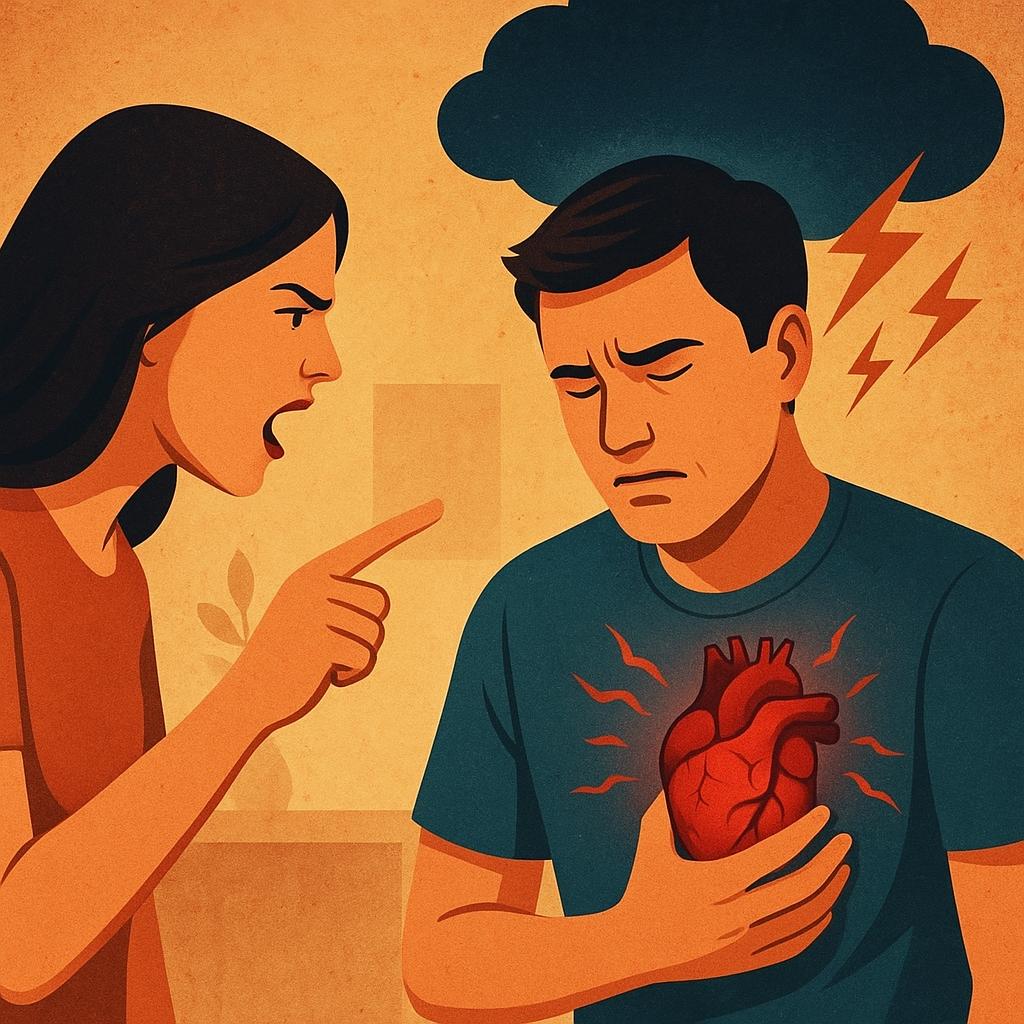
Psychological health plays a significant role in sexual function. Stress, anxiety, and depression are well-known contributors to erectile dysfunction. Similarly, ongoing relationship conflicts, characterized by frequent arguments, unresolved issues, or lack of intimacy, can result in heightened stress levels, negatively impacting erectile abilities.
When emotional tension and mental health challenges are prevalent in a relationship, they can lead to performance anxiety and diminish sexual arousal, further complicating ED. In such cases, ED may appear as a physical ailment, though its roots can be traced back to the emotional distress caused by relationship issues.
Identifying Symptoms of Relationship-Induced ED
Erectile dysfunction resulting from relationship conflicts often accompanies other warning signs. Men may experience reduced libido, increased irritability, or feelings of dissatisfaction with their partner. Additionally, ongoing tension and lack of communication might lead to avoidance of intimate situations, further increasing the emotional distance between partners.
Recognizing these patterns is essential for healthcare professionals and patients alike. By identifying the role of relationship dynamics in ED, more effective therapeutic strategies may be implemented, focusing on improving communication and emotional well-being.
Diagnosis and Treatment Considerations
Evaluating erectile dysfunction involves a thorough medical and psychosocial assessment. Doctors may inquire about relationship stressors, emotional well-being, and other lifestyle factors to determine the cause of ED. Collaborating with mental health professionals, such as psychologists or couples therapists, can help address underlying relationship issues contributing to ED.
Treatment for relationship conflict-related erectile dysfunction may include couple’s therapy, stress management, and behavioral interventions. These approaches aim to enhance communication skills and foster a supportive, understanding partnership. Additionally, addressing any existing physical contributors, such as medication side effects or lifestyle factors, remains essential.
A Holistic Approach to Prevention
Preventing erectile dysfunction requires a holistic approach, considering both physiological and emotional components. Prioritizing healthy relationships characterized by open communication and mutual respect serves as a protective factor against ED. Engaging in regular physical activity, reducing alcohol consumption, and managing stress effectively also contribute to robust sexual health.
When relationship conflicts arise, addressing them promptly and constructively can help preserve both emotional and sexual intimacy. Couples are encouraged to seek professional assistance when necessary to navigate complex emotional landscapes and prevent the onset or exacerbation of erectile dysfunction.
References
National Institute of Diabetes and Digestive and Kidney Diseases. Erectile Dysfunction.
Mayo Clinic. Erectile Dysfunction.
Urology Care Foundation. Erectile Dysfunction.
American Urological Association. Erectile Dysfunction.