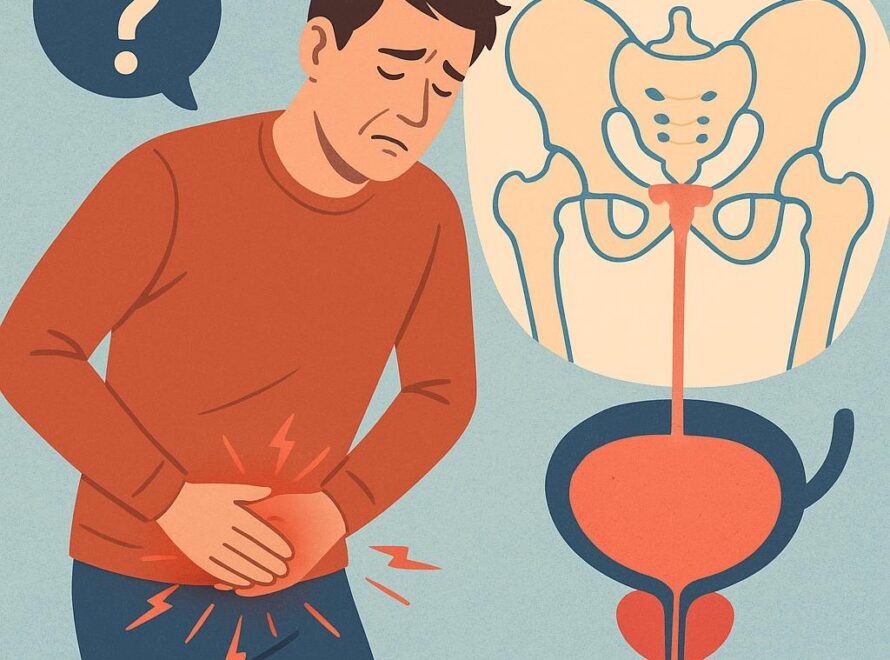

Understanding the Importance of Physical and Mental Readiness for Sex
Understanding the difference between physical readiness and mental readiness for sex is essential for emotional well-being and developing healthy relationships. These two aspects are often mistaken for one another or completely overlooked, leading to discomfort, regret, or even emotional distress.
Whether you’re in a committed relationship or navigating new romantic experiences, aligning your body and mind can ensure that your sexual encounters are authentic, consensual, and satisfying. According to a 2020 study published in the Journal of Sexual Medicine, over 30% of individuals engaged in sex when they weren’t mentally or emotionally prepared, despite showing physiological signs of arousal.
In this article, we explore the distinctions between physical and mental readiness, why both are important, and how to effectively assess and communicate them with a partner.
What Does Physical Readiness for Sex Mean?
Physical readiness refers to your body’s natural and biological capacity for sexual activity. Common signs of physical arousal include:
– Accelerated heart rate
– Genital engorgement, such as erections or lubrication
– Heightened sensitivity to touch and other sensory stimuli
These responses occur involuntarily due to hormonal changes or visual and physical stimulation. However, it is critical to recognize that physical arousal does not equate to consent.
“It’s important to know that physical arousal doesn’t always equal consent,” says Dr. Laura Berman, a relationship and sex therapist. “Your body may respond even when your emotional state says otherwise.”
For example, someone may experience arousal during an intimate moment but feel emotionally disconnected or hesitant—particularly if they are dealing with unresolved trauma, coercion, or anxiety.
If you struggle with physical readiness due to hormonal imbalances or medical concerns, options such as prescription treatment from reputable sources like edrugstore.com may be helpful. Still, emotional preparedness should always be considered equally important.
Defining Mental Readiness for Sexual Activity
Mental readiness involves being emotionally safe, clear-minded, and fully consenting to a sexual experience. Ask yourself:
– Do I feel emotionally safe with this partner?
– Am I truly choosing this, or is there pressure involved?
– Am I prepared for the emotional and physical consequences?
Mental readiness is rooted in trust, clarity, and autonomy. According to the American Psychological Association, people with strong mental readiness are more likely to have positive sexual experiences and avoid regret or emotional harm.
Someone may feel physically aroused yet harbor inner conflict—perhaps due to a recent breakup or lingering uncertainties about their relationship. Engaging in sex under these conditions can lead to regret.
Acknowledging your uncertainty is not a flaw, but a healthy self-awareness. Both your emotions and your instincts deserve validation.
Why Physical and Mental Readiness Must Align
Confusion often arises when there’s a disconnect between the body’s physical signals and the mind’s emotional state. Many believe, “If my body is responding, maybe I should go with it,” but this assumption can be harmful.
Disregarding this misalignment can lead to:
– Feelings of regret or emotional distress afterward
– Confusion or damage to trust within a relationship
– Long-term psychological impacts
Research from the Kinsey Institute in 2019 found that many young adults felt compelled to engage in sex even when mentally unprepared—proving that arousal is often mistakenly interpreted as consent.
Consider a scenario where one person feels emotionally cautious while the other is physically eager. Without open communication and mutual understanding, this imbalance can cause friction and confusion.
Recognizing and respecting these distinct forms of readiness enables both partners to make better, safer, and more considerate decisions.
Signs You Are Fully Ready for Intimacy
To gauge your complete readiness for sex, look for alignment between emotional and physical signals. Here are common indicators:
– Desire is mutual, not influenced by guilt or outside pressure
– Honest, clear communication exists between both partners
– Both individuals are informed about protection and STI prevention
– There’s a sense of emotional safety, respect, and mutual value
– You understand your motivations and expectations
– Physical responses happen naturally, without coercion or discomfort
For example, Alex and Jordan have been dating for a few months. They’ve talked candidly about consent, expectations, and safer sex practices. Both express emotional confidence and physical desire. Their decision to move forward reflects true readiness on both levels.
How to Communicate Your Sexual Readiness
Open, clear communication about sexual readiness builds trust and emotional intimacy in a relationship. Use the following steps to ensure respectful and supportive dialogue:
1. Have the Talk Early
Engage in conversations about boundaries and expectations before things become physically intimate. Starting early makes it easier to express needs.
2. Be Direct and Kind
Use honest, respectful language. Saying “I’m not ready yet” or “I’d rather take things slow” should always be welcome in a safe relationship. Likewise, check in with your partner by asking, “Are you comfortable with this?”
3. Ongoing Check-Ins
Even if you’ve had sex before, emotional states can shift over time. Make it a routine to discuss how you both feel and revisit your comfort levels regularly.
4. Respect Means Everything
Regardless of circumstances, “No” must always be honored. Pressuring someone can result in lasting harm and deteriorate trust.
Dr. Emily Morse, a certified sex therapist, emphasizes: “The most powerful aphrodisiac is feeling safe and understood. Consent should never feel like a negotiation.”
What to Do When There’s a Readiness Imbalance
There may be times when one partner is ready while the other is not. This is completely normal, and how you respond matters significantly.
If your partner isn’t ready:
– View their honesty as a sign of trust, not rejection
– Seek ways to strengthen your emotional connection, such as through cuddling or deep conversation
– Exercise patience. Rushing through intimacy often compromises its quality
If you’re the one who isn’t ready, honor that feeling. Even if your body shows signs of arousal, you have every right to wait until your mind and emotions align. Utilize journaling, self-reflection, or professional counseling for added clarity and support.
Always remember: Readiness is deeply personal and should never be rushed.
Final Thoughts: Your Body and Mind Deserve Equal Consideration
Sex is more than a physical act—it carries emotional significance and psychological impact. Waiting until you are physically and mentally prepared can lead to a more fulfilling and confident experience.
True readiness means being grounded, informed, and emotionally secure. Just because your body is responding doesn’t mean your heart agrees. Take time to pause, reflect, and communicate honestly.
By honoring both your own boundaries and your partner’s feelings, you create an atmosphere of mutual respect and meaningful intimacy.
As Dr. Berman states, “Genuine intimacy begins where mutual understanding lives.”
References
– Journal of Sexual Medicine (2020). “Disconnect Between Physiological Arousal and Emotional Consent in Young Adults.”
– American Psychological Association. “Sexual Readiness and Emotional Health.”
– Kinsey Institute Study (2019). “Psychological vs. Physical Consent Disparities.”
– Dr. Emily Morse, certified sex therapist, host of “Sex with Emily.”
– Dr. Laura Berman, relationship therapist, The Berman Center
For further information on sexual wellness and therapy options, or to explore safe and effective medication for physical readiness, visit edrugstore.com.