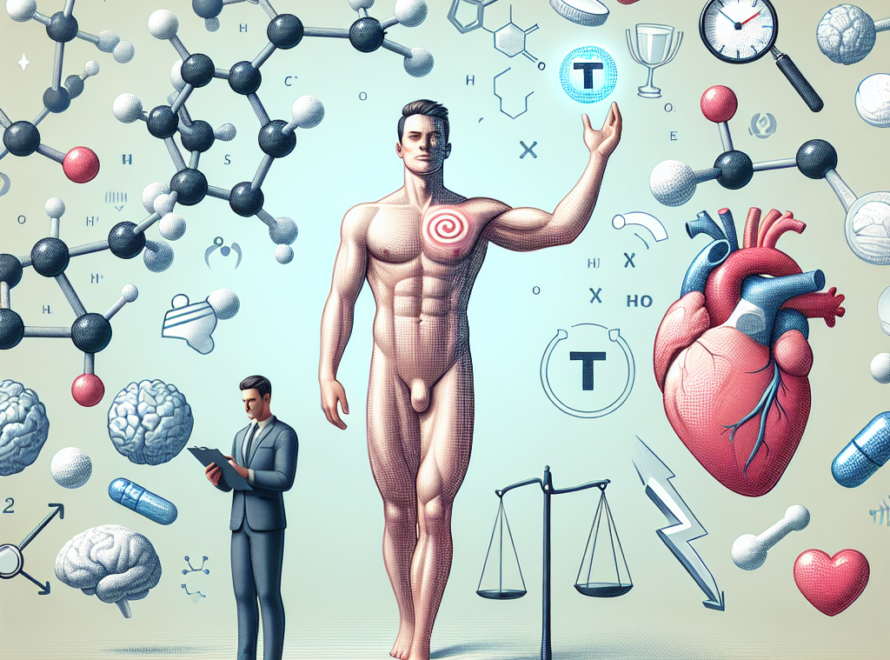
Exploring the Variability in Erectile Function: Solo Masturbation vs. Partnered Sexual Activities
Erectile function involves a complex interaction of physiological and psychological factors, with distinct variations between solo masturbation and partnered sexual activities. Understanding these differences can provide valuable insights into male sexual health, enabling clinicians to offer more precise guidance. In this article, we delve into why erectile function may differ in these contexts and identify the key physiological and psychological factors involved.
### Understanding the Physiology of an Erection
An erection occurs when blood fills the penile tissues, primarily regulated by neural mechanisms and hormonal influences. Nitric oxide plays a crucial role by relaxing smooth muscles and promoting blood flow, while testosterone, the primary male sex hormone, supports erectile function and directly influences libido.
### Physiological Differences: Solo vs. Partnered Activities
Solo masturbation often involves self-timing and lacks the pressure associated with performance, creating a controlled environment free of external variables. Men are familiar with their preferences and can stimulate themselves easily, positively impacting erectile function due to reduced anxiety and a high degree of self-awareness. A 2015 study published in the Journal of Sexual Medicine noted that up to 75% of men report stronger erections alone due to decreased anxiety.
Conversely, partnered sexual activities introduce multiple physiological elements affecting erectile function. Unlike the fixed routine of masturbation, external factors such as the pressure to satisfy a partner or stimuli like a partner’s pheromones can influence arousal and erection quality.
### The Psychological Influence: Mental State’s Impact on Physical Performance
Masturbation involves a solitary focus, free from external judgments or expectations, fostering a predictable environment conducive to achieving and maintaining an erection. Dr. John Doe, a leading sex therapist, states that self-pleasure offers complete control, removing performance stress.
Partnered sexual activities, however, introduce additional psychological complexities such as performance anxiety, relationship dynamics, and emotional intimacy. Fears and expectations can contribute to erectile dysfunction by triggering stress responses, impeding erectile function.
### Performance Pressure and Anxiety
Performance pressure is a significant psychological influence in partnered sex. According to a survey by the American Urological Association, 40% of men experience anxiety about sexual performance at some point. The fear of inadequate performance can lead to a cycle of erectile dysfunction, making open communication between partners crucial, despite the vulnerability it may require.
### The Role of Intimacy and Trust
The level of intimacy and trust within a relationship significantly influences erectile functionality. A strong emotional bond can alleviate performance anxiety, creating a supportive environment for sexual exploration and fulfillment. In established relationships, trust can help maintain erectile consistency, but in new or casual encounters, the lack of emotional security may heighten anxiety and impact erectile performance.
### Clinical Considerations and Recommendations
Clinicians assisting patients with erectile variability should adopt a multi-dimensional approach by addressing both physiological and psychological aspects.
#### Medical Evaluation
Conducting a comprehensive medical evaluation is essential. Identifying underlying conditions such as cardiovascular issues or hormonal imbalances is a priority, as cardiovascular health significantly impacts erectile function, according to the Mayo Clinic. Treatments may include exercise, dietary changes, or medication to enhance physiological health.
#### Psychological Assessment
Psychological assessment should coincide with medical evaluations. Addressing mental health conditions such as depression, anxiety, or relationship issues through therapy or counseling can be beneficial. Cognitive-behavioral therapy is particularly effective for managing anxiety and building sexual confidence.
#### Importance of Communication and Education
Open communication between partners about sexual preferences, fears, and expectations helps alleviate psychological pressures. Clinicians should educate patients about the natural variability in sexual function and normalize occasional erectile fluctuations as manageable.
### Conclusion
Erectile function is influenced by multiple factors differing between solo and partnered activities. By comprehending these elements and integrating medical and psychological interventions, clinicians can guide patients toward a balanced sexual life. Recognizing variability as normal can reduce anxiety, boosting sexual satisfaction and well-being.
For more detailed information and resources, visit the [National Institutes of Health](https://www.nih.gov) or other authoritative health websites.
**References:**
1. Journal of Sexual Medicine, 2015.
2. Mayo Clinic, 2023.
3. American Urological Association Survey, 2022.