
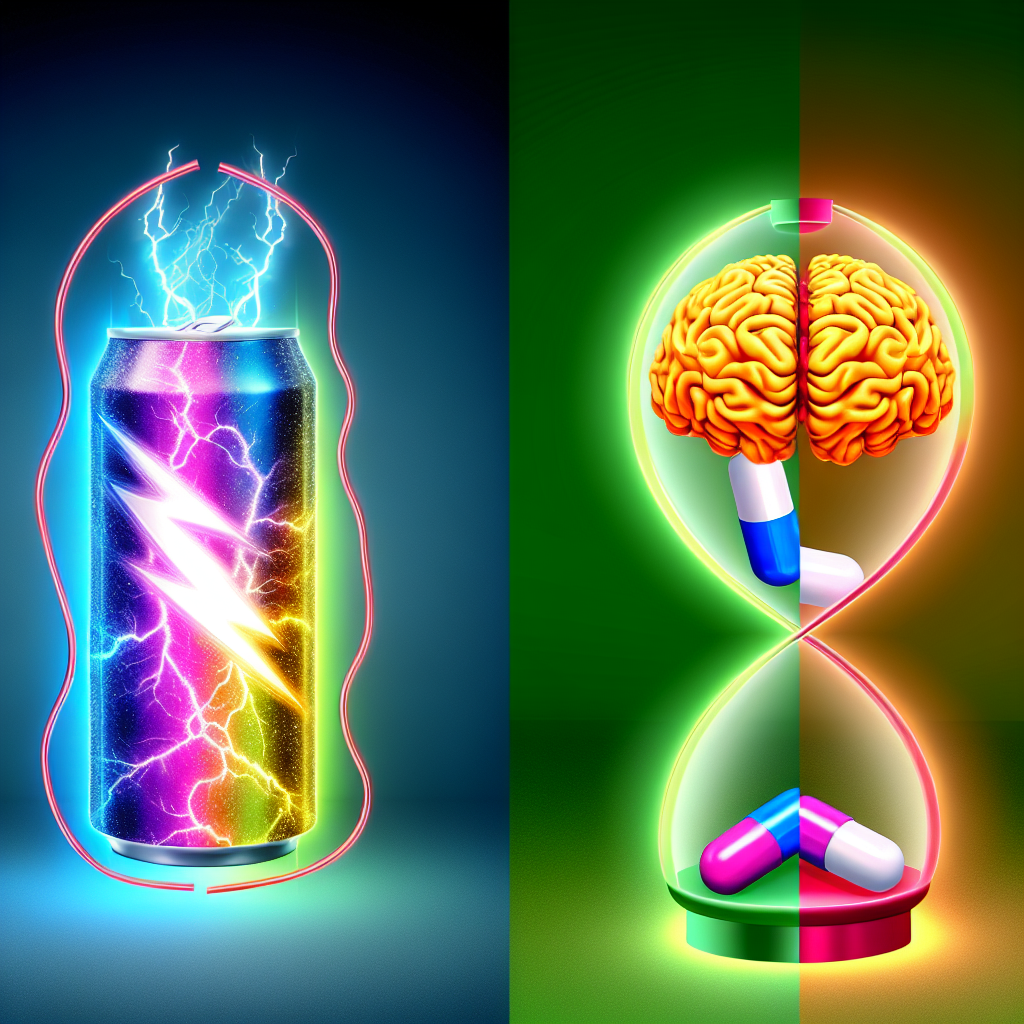
The ED-Stimulant Link: What Energy Drinks and ADHD Medications Might Be Doing to Your Brain and Body
The Rising Demand for Focus and the Stimulant Surge
In today’s fast-paced, always-connected society, the pressure to stay focused and perform at peak levels is leading to a significant uptick in both ADHD stimulant medication use and energy drink consumption. From students cramming through the night to professionals navigating high-pressure workdays and athletes chasing enhanced performance, stimulants are increasingly viewed as productivity enhancers.
However, when prescription medications like Adderall are mixed with high-caffeine energy drinks, the result can be overwhelming for the body—and potentially dangerous. Growing evidence from medical studies suggests that this combination can disrupt heart health, cognitive function, and overall well-being.
Understanding ADHD Stimulants
More than 6 million children in the U.S. have been diagnosed with ADHD, with stimulant medications being the primary treatment option. Medications such as Adderall (amphetamine salts), Ritalin (methylphenidate), and Vyvanse (lisdexamfetamine) are FDA-approved to manage symptoms by boosting dopamine and norepinephrine levels. These chemicals help regulate attention and behavior.
Dr. Sarah Linden, a licensed neuropsychiatrist, explains, “When used appropriately under medical supervision, these medications can greatly improve quality of life. However, consuming other stimulants—like energy drinks—alongside them is strongly discouraged.”
Unfortunately, misuse is on the rise. Studies report that up to 30% of college students admit to using ADHD medications without a prescription. This type of off-label use becomes even riskier when energy drinks are added to the mix.
What’s Inside Your Energy Drink?
Energy drinks are more than just carbonated beverages. A typical 16-ounce can of energy drink like Monster or Red Bull contains anywhere from 160 to 300 mg of caffeine—equivalent to about three shots of espresso. But caffeine isn’t the only concern; many energy drinks also include:
– High levels of sugar (up to 54 grams per can)
– Taurine, an amino acid that may influence heart rhythms
– B-vitamins such as niacin and B12
– Herbal stimulants like ginseng and guarana
According to the Centers for Disease Control and Prevention (CDC), nearly 30% of adolescents consume energy drinks regularly—a figure that’s even higher among college students. Over time, combining large amounts of caffeine with ADHD medication can overtax key bodily systems, especially as tolerance increases.
Why Mixing ADHD Medication and Energy Drinks Is Risky
Pairing prescription stimulants with energy drinks impacts the central nervous system by doubling down on stimulation. This can create a dangerous loop where the body is pushed past its natural limits.
Here are some of the primary concerns:
Elevated Heart Rate and Blood Pressure
Both ADHD medications and energy drinks raise heart rate and blood pressure individually. Together, they can trigger heart palpitations, chest pain, and even arrhythmias. The American Heart Association has flagged stimulant-induced arrhythmias as a growing issue, especially in young adults unaware of undiagnosed cardiac conditions.
A notable example is a 19-year-old college athlete who collapsed after consuming two energy drinks followed by Adderall. Doctors linked the incident to cardiovascular strain caused by stimulant overload.
Increased Anxiety and Emotional Instability
Although stimulants are designed to sharpen focus, too much can backfire. Overstimulation may lead to heightened anxiety, nervousness, and erratic mood swings. Research published in the Journal of Attention Disorders reports that individuals combining high caffeine intake with ADHD medication experience more frequent emotional disturbances.
Disrupted Sleep Cycles
Both ADHD medications and energy drinks interfere with natural sleep patterns. Many users struggle with falling asleep or getting restorative rest, which leads to chronic fatigue. This fatigue often prompts additional caffeine intake, creating a feedback loop that disrupts the sleep-wake cycle further.
For better sleep hygiene, experts recommend avoiding caffeinated products within six hours of bedtime while taking stimulant medications.
Dehydration and Electrolyte Imbalance
Ingredients in energy drinks often act as diuretics, encouraging fluid loss. When combined with medications that increase metabolic activity, this can result in dehydration and an imbalance in crucial electrolytes. Symptoms may include headaches, dizziness, confusion, and muscle cramps.
To offset this, increase your water intake—ideally drinking at least one glass of water for every caffeinated drink consumed.
Greater Risk of Dependency and Overuse
The body can become tolerant to the stimulating effects of both prescription and over-the-counter stimulants. This can prompt users to increase their doses or frequency, which elevates the risk of dependency. The National Institute on Drug Abuse emphasizes rising stimulant misuse among young adults, particularly when multiple stimulant sources are used together.
As Dr. Alan Berman, a pharmacologist, notes, “Energy drinks can conceal fatigue, making it easier to overlook the body’s natural warning signals. When combined with prescription stimulants, the potential for misuse escalates—and so do the health risks.”
What Current Research Tells Us
Scientific studies are shedding new light on the widespread use of combined stimulants. According to the Journal of Addiction Medicine (2022), individuals who frequently consumed energy drinks were over 2.5 times more likely to misuse prescription stimulants.
Another study in The Journal of Clinical Psychopharmacology highlights the impact of stimulant overload on brain chemistry. High levels of dopamine released simultaneously by caffeine and ADHD medications can disrupt the brain’s natural reward system. Long-term, this may impair your ability to feel motivation or enjoyment without artificial stimulation—raising concerns about potential addiction.
Despite the strict regulations surrounding medications like Adderall, energy drinks lack consistent oversight. Their ingredient labels vary by brand, leaving long-term effects largely unknown when combined with stimulant medications.
Staying Safe: Best Practices for ADHD Patients
If you’re using ADHD medication, being thoughtful about your habits is crucial. Open communication with your healthcare provider is a key part of staying safe.
Here are some evidence-based tips:
– Limit daily caffeine to 200 mg or less while taking prescription stimulants.
– Avoid energy drinks altogether. If you need an energy boost, opt for less concentrated sources like black coffee or green tea.
– Maintain adequate hydration by drinking at least eight cups of water per day.
– Keep a sleep log to monitor rest quality. Persistent insomnia may indicate adverse effects from your medication or lifestyle.
– Watch for warning signs such as rapid heartbeat, shaking, or prolonged restlessness—and notify your doctor right away.
Final Thoughts: Prioritize Your Health Over Quick Fixes
Both ADHD medications and energy drinks can significantly affect mental and physical performance. However, combining them may create more problems than they solve. Research increasingly shows that mixing prescription stimulants with energy drinks puts users—especially teens and young adults—at risk for heart complications, disrupted sleep, increased anxiety, dependency, and diminished emotional regulation.
Make informed choices. Whether you’re studying for finals, pushing through a tough workday, or training for competition, your energy should come from healthy, sustainable sources. Understanding the risks is the first step toward protecting your long-term well-being.
References
– Centers for Disease Control and Prevention (2021). Energy Drink Use Among Adolescents.
– Journal of Addiction Medicine (2022). The Relationship Between Energy Drink Consumption and Nonmedical Use of Prescription Stimulants.
– National Institute on Drug Abuse (2023). Prescription Stimulant Misuse in Young Adults.
– The Journal of Clinical Psychopharmacology (2021). Neurochemical Impact of Combined Stimulant Use in Emerging Adults.
– American Heart Association (2022). Stimulants and Heart Health: Emerging Concerns.
– edrugstore.com. Safer Alternatives to Stimulants: Lifestyle and Supplement Strategies.