The Confidence and Blood Flow Connection: How Your Body Fuels Your Mind
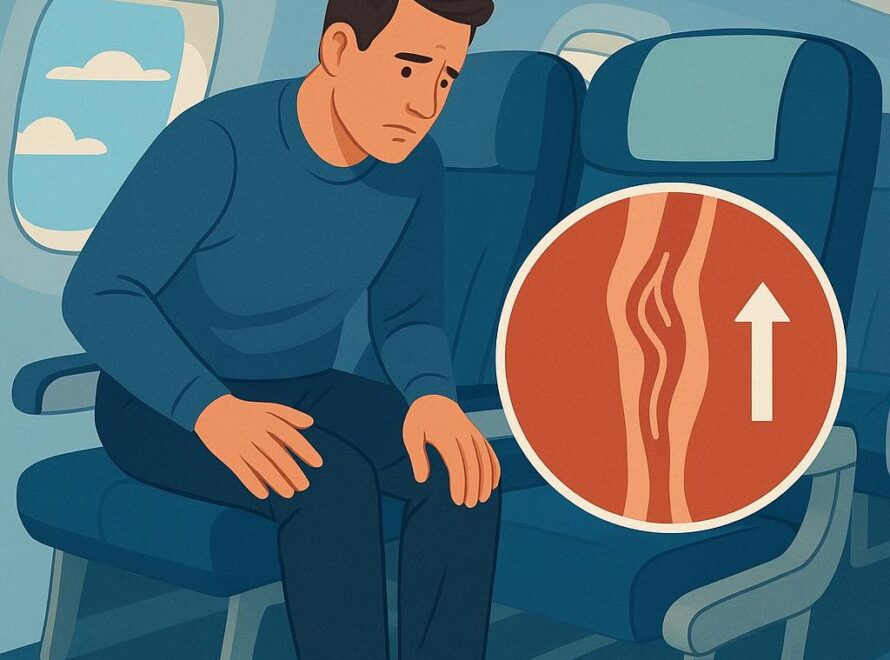
Confidence isn’t just a mindset—it’s closely linked to how your body supports your brain with healthy circulation. Although anxiety is often thought of as purely mental, research shows that it significantly affects blood vessel function and brain oxygen levels.
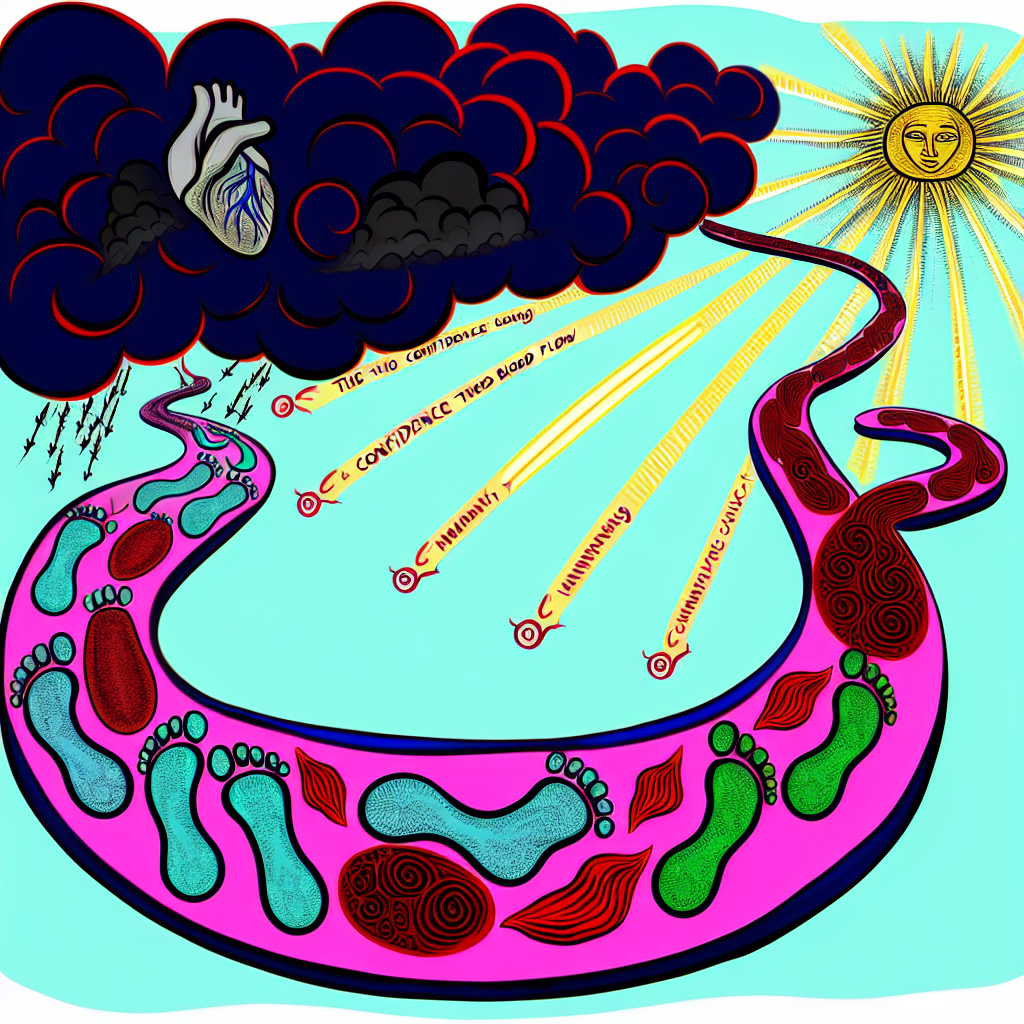
This powerful concept, known as the Confidence-Blood Flow Loop, explores how emotional states can alter circulation, and how proper circulation can, in turn, impact emotional well-being. Chronic anxiety reduces blood flow to the brain, while confidence encourages vessel relaxation, resulting in better brain function and emotional health.
Understanding the Physical Side of Emotion
Many people assume emotions only happen in the mind. But emotions like anxiety or fear trigger very physical responses. When you’re stressed, your sympathetic nervous system activates, sending your body into “fight or flight” mode. Your heart beats faster, your muscles tense, and most critically, your blood vessels constrict.
This matters because tight blood vessels deliver less oxygen and fewer nutrients to the brain. According to neurologist Dr. Stephen Porges, creator of the Polyvagal Theory, “Your body interprets danger based on physiological feedback, not logic. If your blood vessels are tight, the brain reads it as stress—even if there’s no real threat.”
Modern stressors, such as work deadlines or social pressure, can activate this ancient survival mechanism, affecting circulation just like a life-or-death situation would.
How Anxiety Restricts Blood Flow and Clarity
When anxiety persists, blood vessels tighten, reducing cerebral blood flow (CBF) to important brain regions. A study published in the Journal of Cerebral Blood Flow & Metabolism found chronic stress could reduce CBF by up to 20%, especially in brain areas involved in emotional regulation and decision-making.
This creates a damaging biological loop:
Anxiety → Constricted blood vessels → Impaired brain performance → More anxiety
Over time, this stress cycle can lead to high blood pressure, burnout, and even cardiovascular problems. The American Heart Association reports that people with high anxiety levels are 48% more likely to develop high blood pressure.
Real-world example: A well-prepared student may panic during an exam and blank out—not because they didn’t study, but because anxiety restricted blood flow, starving their brain of the oxygen needed to think clearly.
The Role of Confidence in Reversing Stress Responses
Fortunately, the body has a built-in recovery system. When you feel confident, your parasympathetic nervous system—known as the “rest and digest” state—kicks in. This triggers vasodilation, or the widening of blood vessels, which allows more oxygen and nutrients to reach the brain.
According to a 2021 fMRI study in the journal NeuroImage, participants with high self-confidence had 12% greater blood flow to the prefrontal cortex, which governs decision-making, empathy, and motivation.
“You can literally think better when you feel safe and empowered,” says Dr. Caroline Leaf, cognitive neuroscientist and author of Cleaning Up Your Mental Mess. “Confidence increases blood flow to the parts of the brain that help you solve problems instead of freeze.”
This shows that mental clarity, emotional balance, and memory recall are not just psychological benefits—they’re also driven by biological changes prompted by emotional security.
Example: After receiving a compliment or attending an energizing team meeting, you may find your thoughts feel clearer and your motivation stronger. That’s your body’s chemistry responding to confidence.
5 Practical Ways to Break the Anxiety Cycle and Build Confidence
You can actively shift your body from stress to calm with these proven strategies:
1. Deep Breathing: A Fast-Acting Calming Tool
Just three minutes of slow, deep diaphragmatic breathing—inhaling for 4 seconds, exhaling for 6 to 8—activates the vagus nerve. This relaxes blood vessels and reduces stress. A 2017 Harvard review noted that focused breathing can lower heart rate and reduce cortisol levels by up to 20%.
2. Get Moving: Boost Your Mood and Brain Oxygen
Even a 10-minute walk increases oxygen-rich blood to the brain and releases endorphins. Research from University College London found that regular physical activity lowers anxiety by 30% and strengthens neurovascular coupling, improving the brain’s responsiveness to blood flow.
3. Use Power Posture to Signal Confidence
Standing tall with an open chest doesn’t just project confidence—it reinforces it. A 2015 study in Health Psychology revealed that individuals who adopted high-power poses experienced positive hormonal changes, including improved testosterone-to-cortisol ratios. These changes promote relaxed, open blood vessels and stress resilience.
4. Reframe Thoughts to Rewire Your Stress Chemistry
Cognitive Behavioral Therapy (CBT) techniques help shift negative thoughts into empowering frames. This mental shift increases levels of DHEA, a hormone that supports cardiovascular health and vascular flexibility. Changing “I can’t do this” to “I’m learning and growing” rewires how your body reacts to stress.
5. Try Contrast Showers to Build Resilience
Alternating hot and cold water during showers trains your body to better regulate blood vessel function. Cool water exposure, according to a study in PLOS ONE, increased noradrenaline levels by 200 to 300%—supporting mood, circulation, and adaptability under stress.
Example: Ending your shower with 30 seconds of cold water may feel challenging, but over time it improves your ability to stay calm under pressure and enhances your immune, mood, and cardiovascular response.
Circulation and Confidence: A Two-Way Street
Ultimately, confidence isn’t just a mindset—it’s powered by your body’s internal circulation. Physical signs like clenched fists, cold hands, rapid heartbeat, or shallow breathing are cues that your blood flow may be compromised.
You can reverse this by making small, intentional changes: breath mindfully, move regularly, adjust your posture, and shift your mindset.
The more efficiently your blood flows, the more clearly and confidently your mind will operate.
Have you noticed how movement, posture, or even cold water can instantly change your mood or mindset? Share your experience in the comments, and explore how your body helps shape your thoughts.
References
– Wang, Z., et al. “Changes in cerebral blood flow in major depressive disorder.” Journal of Cerebral Blood Flow & Metabolism, 2016.
– Smith, L.V., et al. “Cerebral blood flow and confidence: Evidence from fMRI.” NeuroImage, 2021.
– Hildrum, B., et al. “Anxiety and Depression Increase Risk of Hypertension.” American Heart Association Journals, 2008.
– Harvard Medical School. “Breathing Exercises to Reduce Stress.” Harvard Health Publishing, 2017.
– Carney, D.R., et al. “Power Posing: Brief Nonverbal Displays Affect Neuroendocrine Levels.” Health Psychology, 2015.
– van Marke, S., et al. “Cold exposure and its effect on mood, motivation, and blood flow markers.” PLOS ONE, 2019.
– Leaf, C. Cleaning Up Your Mental Mess. Baker Books, 2021.
For expert-reviewed resources on managing anxiety, improving blood pressure, and enhancing overall well-being, visit edrugstore.com today.