
Gaming, Porn, and Dopamine: ED in the Digital Age
In today’s hyperconnected world, digital stimulation surrounds us. From the thrill of intense video gaming sessions to exploring endless adult content libraries, our brains are constantly hit with dopamine-driven experiences. Though initially satisfying, this type of digital overstimulation can take a toll on our neurological systems over time.
A surprising result of this trend is the growing prevalence of erectile dysfunction (ED) in young men—a demographic that traditionally exhibited low rates of the condition. A 2019 study published in the Journal of Sexual Medicine found that as many as 1 in 4 men under 40 report experiencing ED, often without any underlying physical health issues. Researchers are increasingly linking porn consumption, gaming behavior, and dopamine desensitization to these patterns in male sexual health.
Let’s take a closer look at how our digital habits could be silently reshaping real-world intimacy.
The Dopamine Dilemma: Digital Overload vs. Natural Pleasure
Dopamine, the brain’s key “reward” chemical, plays a major role in motivating us to seek out enjoyable activities such as eating, socializing, or engaging in sex. However, modern digital platforms exploit this system, offering constant high-reward stimuli that compete with life’s natural pleasures.
Dr. Anna Lembke, professor of psychiatry at Stanford University, notes, “We’ve essentially turned the world into an amusement park of stimuli. The more we indulge, the higher our tolerance becomes—making real-life experiences dull by comparison.”
Take an example: You finish a game level and receive flashy virtual rewards, or browse hundreds of adult videos within minutes. These experiences deliver artificial surges of dopamine, training the brain to crave digital highs while diminishing its response to genuine emotional or physical intimacy.
Over time, this leads to desensitization, where everyday human interactions—like holding hands or cuddling—fail to spark excitement. This condition contributes to reduced libido or even porn-induced erectile dysfunction (PIED).
Gaming and Sexual Health: More Than Just Entertainment
While video games offer relaxation and cognitive stimulation, overindulgence can affect physical and emotional health. According to a 2022 survey by the Sleep Research Society, heavy gamers are 30% more likely to suffer from poor sleep quality—a known contributor to erectile dysfunction.
Long gaming sessions often result in a sedentary lifestyle, elevated stress, and disrupted daily rhythms. These factors can lower testosterone levels, affect libido, and reduce blood circulation—all of which are vital to sexual performance.
What’s more, many gamers may develop emotionally fulfilling relationships with virtual characters or online personas. As a result, the safety and predictability of digital interactions may start to feel more appealing than real-life intimacy. This makes the shift from virtual to physical connection awkward or anxiety-inducing, reinforcing withdrawal from real relationships.
Pro Tip: To maintain a balanced lifestyle, limit gaming to under two hours per day and incorporate regular offline activities such as walking, workouts, or social meetups.
Understanding Porn-Induced Erectile Dysfunction (PIED)
While casual porn viewing may pose no harm, compulsive consumption has been linked to significant psychological effects. Many individuals with PIED report normal performance during solo porn use, yet struggle to maintain arousal in real-life encounters.
This happens because the brain becomes conditioned to expect novelty, high stimulation, and fantasy scenarios. Real-life intimacy—with partners who may not resemble pornographic ideals—can feel underwhelming, failing to trigger the same arousal response.
Dr. Gary Wilson, author of Your Brain on Porn, explains: “The brain’s reward system evolves to prefer digital over real-life stimulation, diminishing excitement and sexual response during partner intimacy.”
This disconnection can lead to self-doubt and performance anxiety, prompting individuals to lean more heavily on digital experiences and deepening the dependency cycle.
Breaking the Cycle: Reclaiming Desire and Intimacy
The good news? Recovery is achievable. Practicing a dopamine detox—a temporary break from overstimulating digital content like porn, excessive gaming, or scrolling—can help reset the brain’s reward system.
Even taking a short digital detox lasting 7 to 30 days can gradually restore sensitivity to real-world experiences. During this reset period, adopt healthier routines such as:
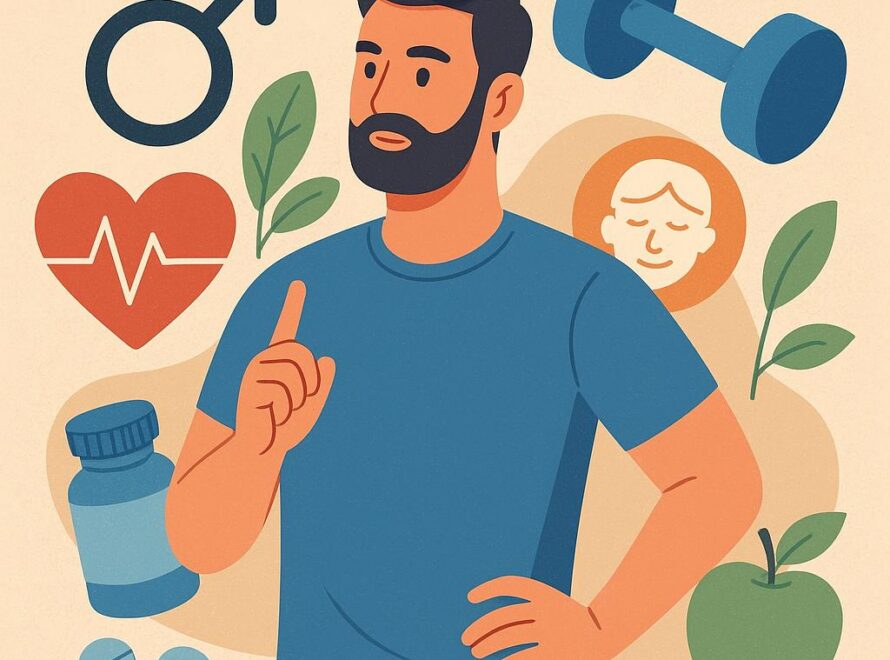
– Engaging in daily physical activity to elevate mood and enhance testosterone
– Exploring hobbies such as music, painting, or reading
– Practicing mindfulness and focused meditation
– Interacting with others in person to rebuild authentic connections
Additionally, therapy—especially Cognitive Behavioral Therapy (CBT)—can help individuals process emotional challenges, address performance anxiety, and develop healthy relationships with intimacy.
Open communication with romantic partners is also incredibly valuable. Discussing issues around sexual health can improve emotional closeness and help foster mutual understanding and trust.
The Power of Education and Community Support
Educational resources are crucial in both preventing and addressing the issues associated with digital overstimulation. Unfortunately, current sex education frameworks rarely highlight the influence of digital environments on sexual development.
“Young people are growing up on screens without understanding how it’s shaping their brains and bodies. We need to start these conversations early,” says Dr. Justin Lehmiller, a sex researcher at the Kinsey Institute.
Online support forums such as Reddit’s NoFap and Reboot Nation have become vital communities for those seeking recovery from porn or gaming addiction. These platforms offer accountability, encouragement, shared strategies, and a sense of solidarity.
By increasing awareness in families, schools, and healthcare circles, we can guide younger generations toward healthier digital habits and a balanced perspective on sex and relationships.
Mindful Technology Use for a Healthier Tomorrow
Let’s be clear: technology itself is not the problem. When used responsibly, video games can develop cognitive skills, and adult content can support healthy, consensual sexuality.
The issue arises from excessive stimulation and lack of moderation.
Real intimacy requires patience, emotional presence, and connection. When digital gratification consistently replaces this, it disrupts our psychological and relational well-being.
To reduce sexual health problems linked to overuse of gaming and adult media content, it’s essential to build habits of moderation, gain self-awareness, and nurture meaningful offline relationships. In that balance lies the potential for fulfillment, confidence, and deep connection.
Final Thoughts: A Call for Balance in the Digital Era
As our lives become increasingly digital, it’s crucial to recognize the effects this shift has on our minds and bodies. If you’re experiencing symptoms of ED, don’t dismiss it as ordinary stress—it could be your brain’s way of signaling a need for rebalancing.
Recognizing the link between digital dopamine overload and erectile dysfunction isn’t about accusing anyone of unhealthy behavior—it’s about pursuing self-awareness and improving quality of life.
Let’s make conscious choices to harness technology in ways that enrich our reality, rather than replace it.
Resources and References
For more on erectile dysfunction treatment and support, visit reputable providers like eDrugstore.com for discreet, professional help.
Sources:
– Park, Byun, J., et al. (2016). Is Pornography Use Associated with Erectile Dysfunction and Delayed Ejaculation? Journal of Sexual Medicine, 13(6), 888–896.
– Prause, N., & Pfaus, J. (2015). Viewing Sexual Stimuli Associated with Greater Sexual Responsiveness, Not Erectile Dysfunction. Sexual Medicine, 3(2), 90–98.
– Lembke, A. (2021). Dopamine Nation: Finding Balance in the Age of Indulgence. Dutton.
– Wilson, G. (2014). Your Brain on Porn. Commonwealth Publishing.
– Lehmiller, J. (2020). Tell Me What You Want: The Science of Sexual Desire. Da Capo Lifelong Books.